


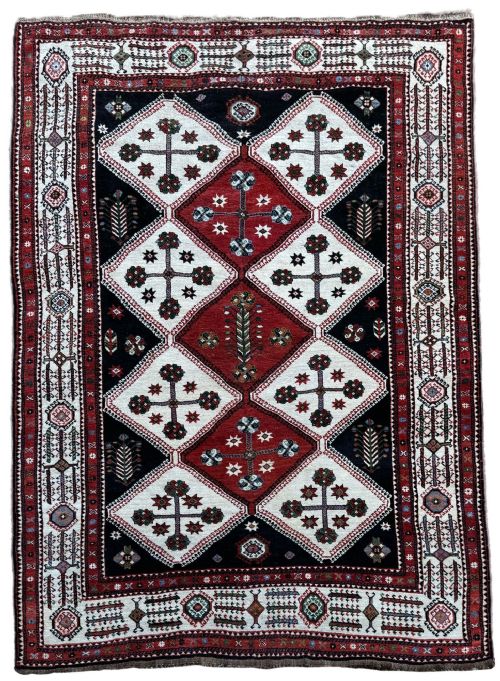
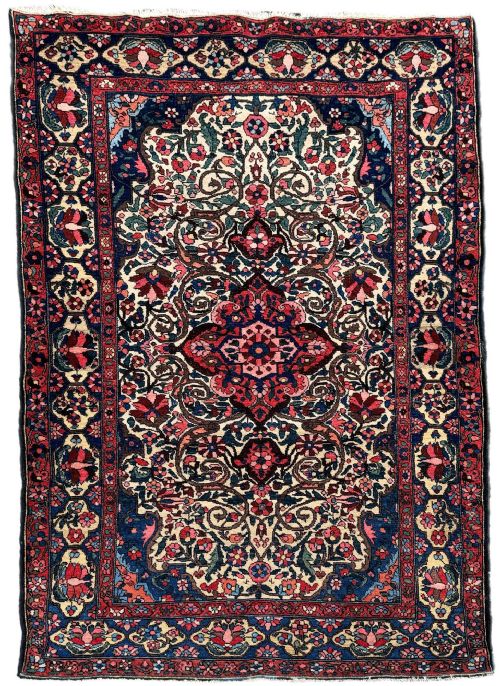
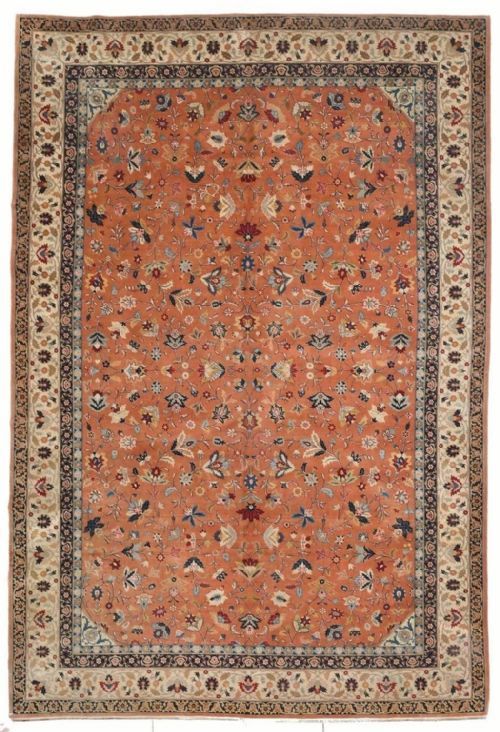
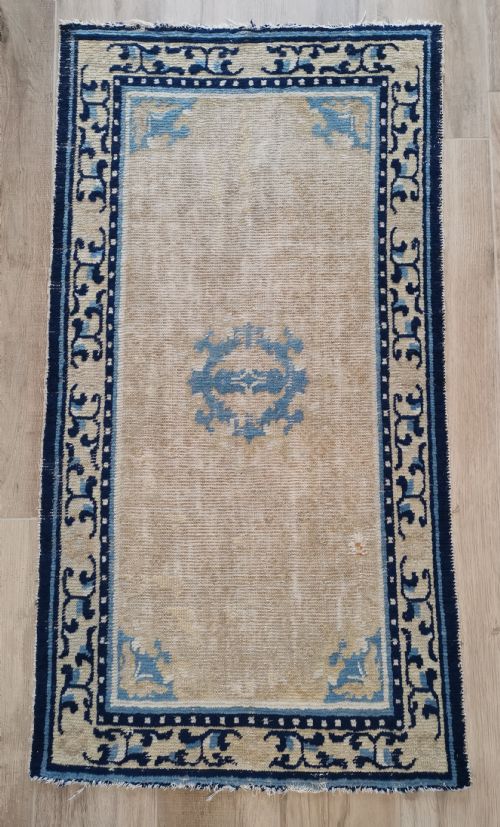

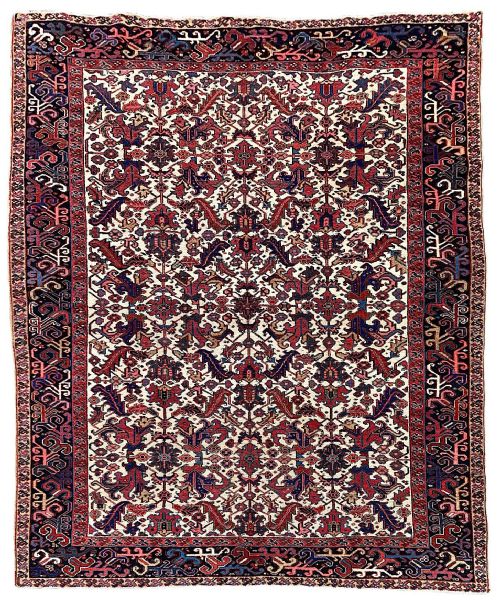
Cream Hand Woven Rug
These cream hand woven rug pieces bring centuries of Persian and Anatolian textile tradition into domestic spaces.
Cream Hand Woven Rug
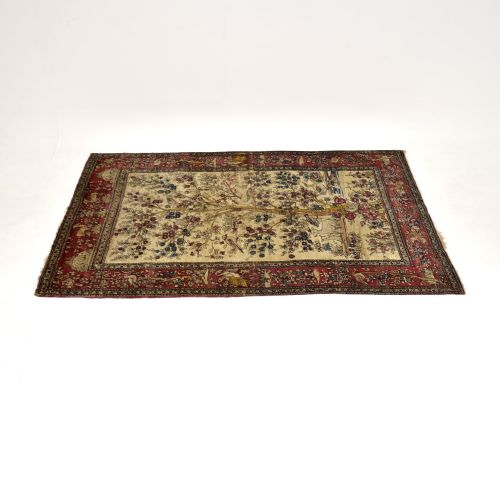
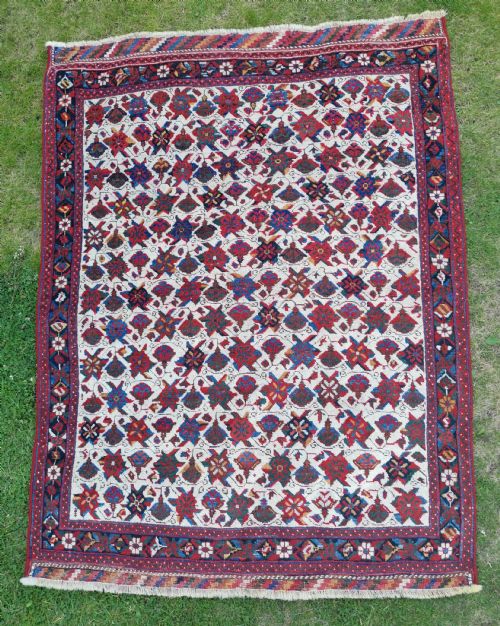
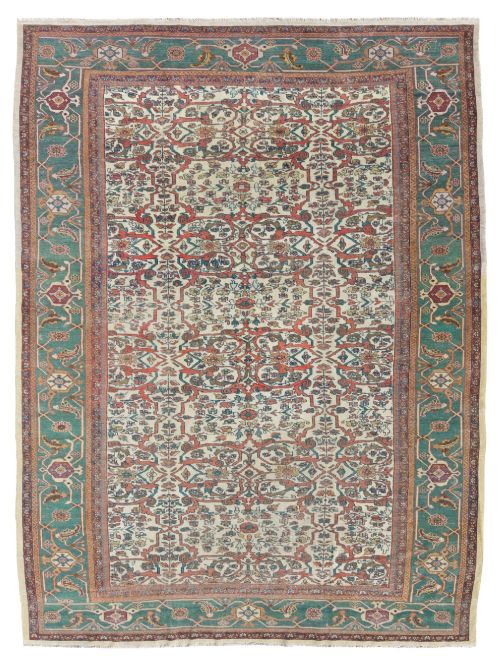
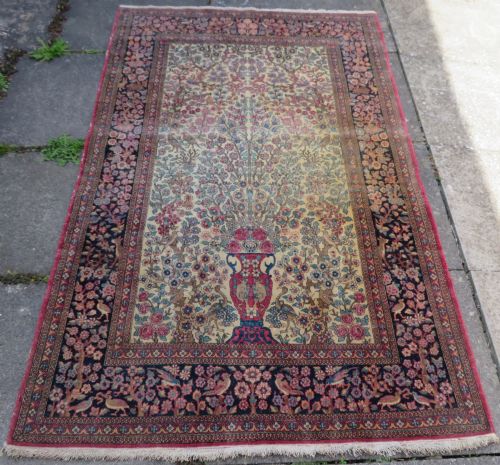
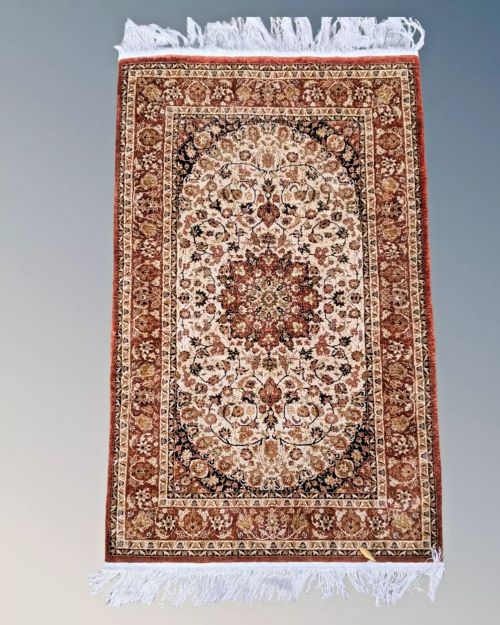
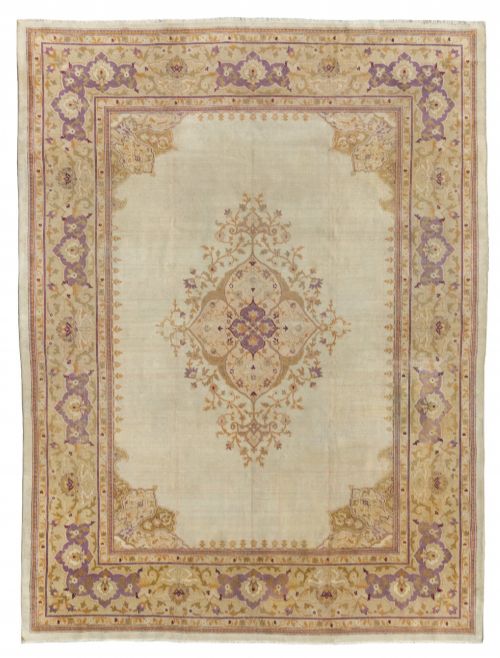
A cream hand woven rug provides a neutral foundation for interior spaces, drawing upon regional weaving traditions from Persia and Anatolia. These textiles span periods from the nineteenth century into the twentieth century, taking the form of area rugs, large carpets, runners, and cushions.
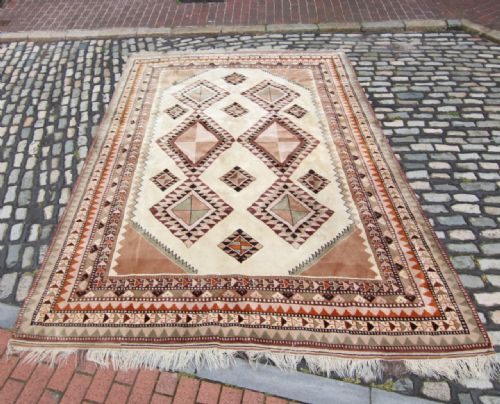
The pieces encountered on this page encompass specific regional styles such as Tabriz, Heriz, Kirman, and Bakhtiar. Buyers frequently encounter formats ranging from compact village rugs to expansive country house carpets featuring traditional motifs.
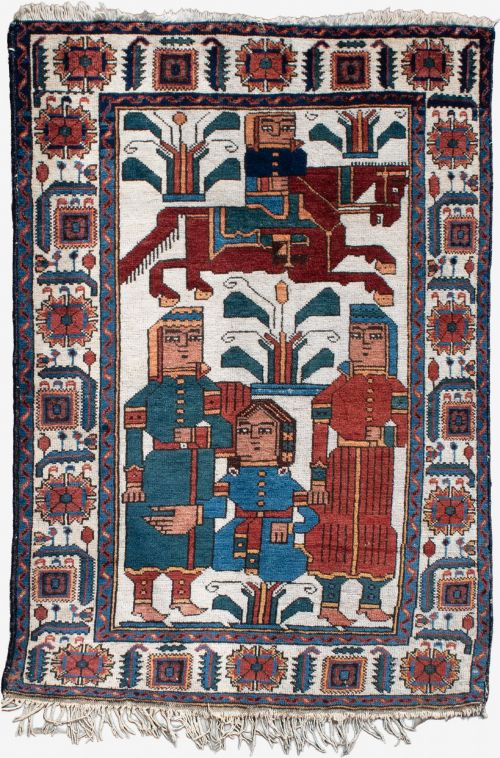
Nomadic and village workshops produced many of these floor coverings, incorporating wool, cotton, and silk materials. The palette often centres on ivory and cream grounds contrasted with deeper pictorial elements.
Materials and construction
Weavers utilised natural fibres including wool, hand-spun wool, cotton, and occasionally silk. These materials provided the structural foundation and the pile for regional carpets and rugs.
Manual weaving techniques defined the production process across workshops and nomadic camps alike. Artisans tied pile knots or created flat-woven structures by hand, securing the design within cotton or wool warps and wefts.
Several sheep contributed their fleeces to a single village carpet.
Evaluating textile quality
Knot density and structural tightness dictate the resilience of the textile under foot traffic. Finer knotting permits more intricate pictorial detail in designs such as tree of life patterns or floral boteh motifs.
The selection of raw materials influences the handle and sheen of the pile. Hand-spun wool and partial silk highlights contribute depth and tactile variety to the finished surface.
Mohtasham Kashan·Benlian
The Cream Hand Woven Rug Glossary
- Warp
- The vertical threads stretched lengthwise on a loom before weaving begins. These form the structural skeleton of the rug.
- Weft
- The horizontal threads passed through the warp threads to hold the knots in place. They stabilise the rows of pile.
- Pile
- The upright yarn surface of a rug formed by cut or uncut knot ends. This creates the soft layer walked upon.
- Boteh
- A traditional almond-shaped motif with a curved upper end, frequently seen in Persian carpet designs. It represents a floral or cypress shoot symbol.
- Nomadic
- Produced by tribal weavers moving seasonally rather than in fixed urban workshops. These pieces often display geometric memory patterns.
Cream Hand Woven Rug: Frequently Asked Questions
How do I clean an antique wool rug?
Gentle surface vacuuming without a beater bar removes loose dirt from the pile. Professional specialist cleaning remains essential for deep maintenance.
Harsh chemical detergents damage natural dyes and delicate fibres. Proper drying prevents the foundation cotton and wool from rotting.
Where were these woven carpets made?
Most examples originate from Persian centres such as Tabriz, Kirman, Isfahan, and Heriz. Other pieces hail from Anatolian regions and broader Middle Eastern tribal areas.
Each region developed distinct knotting structures and colour palettes. Local sheep breeds provided wool with characteristic lanolin content and texture.
How do I date an old rug?
Examining the natural dyes, wool preparation, and structural wear helps establish the period. Machine-spun yarns and synthetic dyes generally indicate later twentieth-century production.
Design motifs and fringe construction also offer clues to age. Stylistic shifts often correspond to specific decades between the nineteenth and mid-twentieth centuries.
Can I place these carpets in high traffic areas?
Sturdy wool carpets with tight pile withstand moderate hallway and living room use. Silk and delicate antique pieces require lighter placement to preserve the fibres.
Using a quality rug underlay prevents slipping and cushions the foundation against floorboards. This reduces friction and extends the functional life of the textile.