




Cream Glaze Pottery Bowl
A cream glaze pottery bowl offers understated utility and historic charm, ranging from rustic dairy vessels to finely painted Japanese Satsuma wares.
Cream Glaze Pottery Bowl
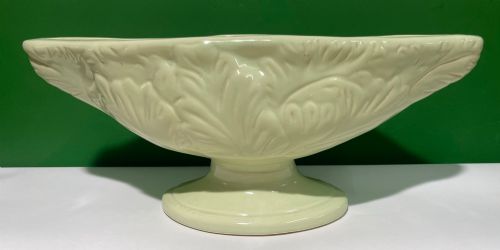
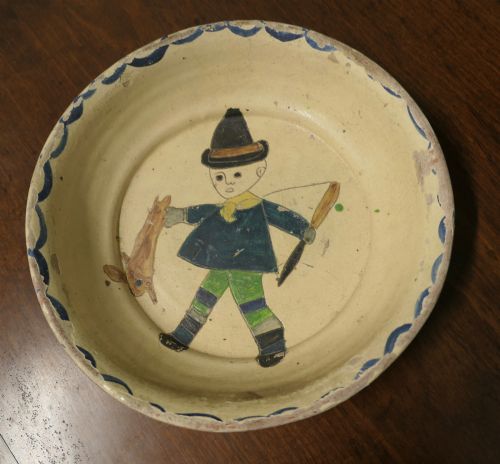
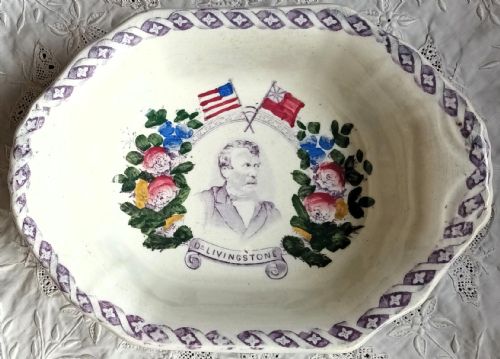
A cream glaze pottery bowl encompasses a broad spectrum of historical vessels, spanning from 19th-century English creamware and Scottish dairy bowls to Persian lustred earthenware and Japanese Satsuma pieces. Buyers seeking this phrase encounter an array of forms, including functional dairy vessels, decorative bowls, and chamber pots originating from diverse periods such as the Victorian era, the Meiji period, and pre-16th-century workshops.
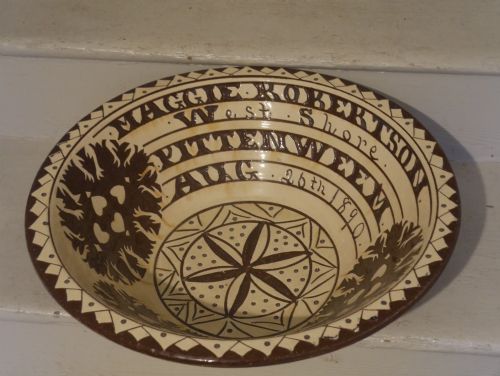
The domestic pieces lean towards practical utility, exemplified by slip glaze dairy bowls and heavy earthenware kitchen items from the 19th century. Alongside these utilitarian objects sit highly decorative imported ceramics, featuring intricate enamel work and gold leaf details on earthenware and ceramic bodies.
Originating from British country pottery traditions as well as continental and Asian kilns, these bowls display varied regional aesthetics. The selection bridges the gap between everyday historical utility and fine decorative arts, reflecting the diverse material culture of past centuries.
Materials and methods
Potters shaped these vessels using traditional earthenware, stoneware, terracotta, and fritware bodies, applying liquid glazes to seal the porous clay. Many pieces incorporate specialised treatments such as crackle glazes, lustre finishes, or slip coatings to achieve their characteristic surface textures.
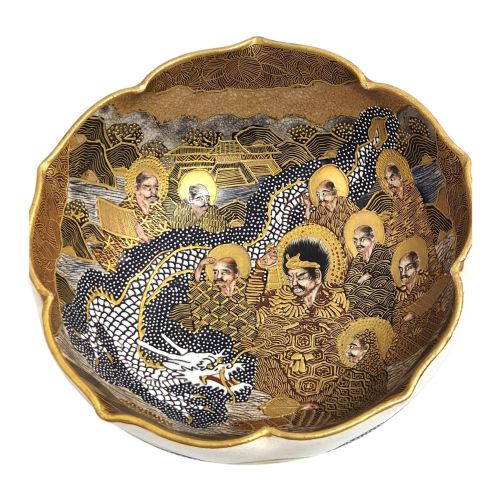
Decoration often involved hand-painted enamels and delicate gold leaf applications, particularly on Japanese Satsuma and Persian Islamic examples. The firing processes varied widely, from regional British kilns producing utilitarian dairy bowls to advanced Eastern workshops utilising complex reduction techniques.
Cream Glaze Pottery Bowl Retail Price Guide 2026
Typical asking prices for cream glaze pottery bowl among the pieces listed under this phrase on Sellingantiques today, from the lower quarter to the upper quarter. They describe what is for sale here now, not the wider market.
Listings span multiple centuries, incorporating 19th-century British earthenware alongside 12th-century Persian fritware and Meiji period Japanese ceramics.
Assessing quality
Quality rests upon the skill of the potter, the fineness of the ceramic body, and the preservation of the glaze or enamel work. Finer decorative pieces exhibit controlled application of gold leaf and detailed hand-painting, while utilitarian items demonstrate robust construction suited for daily farm or kitchen work.
The distinction between ordinary domestic wares and superior examples lies in the precision of the form, the depth of the glaze, and the clarity of any painted or moulded decoration. Intact historical surfaces and clear signatures from recognised studios elevate the standing of individual vessels.
Mann & Co·Doulton Lambeth·Copeland·Gyokkō·Ryuzan·Shozan
The Cream Glaze Pottery Bowl Glossary
- Creamware
- A type of fine earthenware with a pale yellowish or cream-coloured glaze, developed in England during the 18th century. It became widely popular for domestic table and dairy use.
- Satsuma
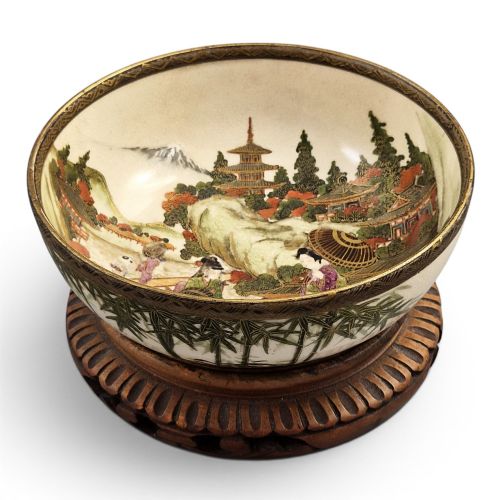
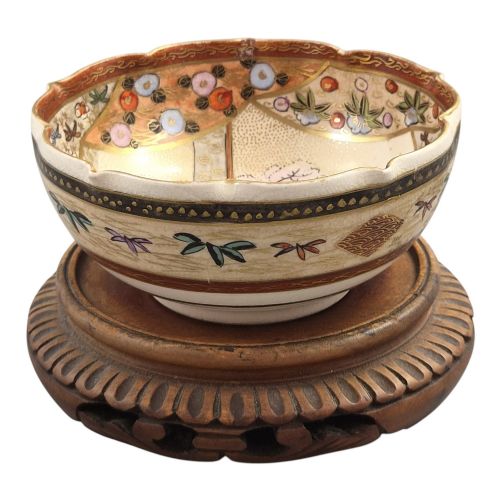
- Japanese pottery originating from Satsuma Province, typically characterised by a crackled ivory-coloured earthenware glaze richly decorated with enamels and gilt. These wares were extensively produced for export during the Meiji period.
- Spongeware
- Earthenware decorated by dabbing or sponging pigment onto the unfired glaze, creating a mottled or speckled pattern. It was a common technique for durable 19th-century kitchen and dairy vessels.
- Fritware
- A type of pottery developed in the Near East containing powdered glass or frit, which allowed for lower firing temperatures and finer detail. It formed the body for many medieval Persian lustre bowls.
- Slip
- A mixture of clay and water applied to pottery before firing to smooth the surface or create decorative patterns. Slip glaze was frequently utilised on British country pottery for added durability.
Cream Glaze Pottery Bowl: Frequently Asked Questions
What is a cream glaze pottery bowl used for?
These bowls served various historical purposes, ranging from practical dairy work and food preparation to decorative display.
Heavier earthenware versions handled everyday farm tasks, while finer imported pieces functioned as ornamental table settings or commemorative items.
How do I care for antique ceramic bowls?
Antique ceramics require gentle handling and hand washing with mild soap to protect fragile glazes and historical surfaces.
Avoid soaking porous earthenware or exposing delicate enamels and gold leaf details to sudden temperature changes.
How do I date a 19th century bowl?
Dating relies on examining the ceramic body, glaze characteristics, maker's marks, and stylistic traits associated with periods like the Victorian era.
Comparing the manufacturing technique against known regional pottery outputs helps narrow down the decade of production.
What distinguishes Satsuma pottery?
Satsuma wares feature a distinctive cream-coloured, crackled earthenware glaze that provides a textured canvas for elaborate enamel and gold leaf decorations.
Originating in Japan, these pieces often bear artist signatures from Kyoto studios dating to the Meiji period.