



Cream French Sofa
A cream french sofa brings together painted woodwork and soft upholstery to anchor a formal interior.
Cream French Sofa
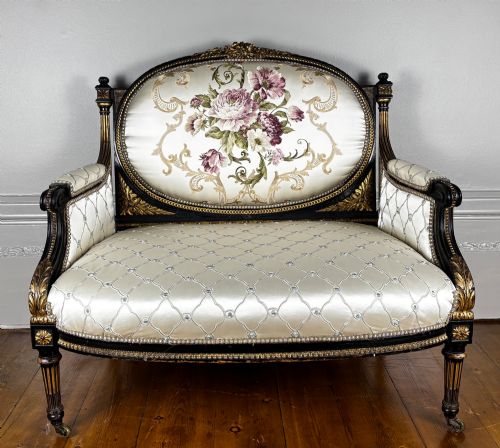
A cream french sofa encompasses seating forms ranging from nineteenth-century giltwood settees to twentieth-century painted banquettes and canapes. Buyers searching for a cream french sofa frequently encounter nineteenth-century pieces bearing Louis XV and Louis XVI style carvings alongside later twentieth-century interpretations.
The objects take many shapes, including two-seat settees, corner units, triple-back sofas, and chaise longues. These pieces often originate from periods spanning the nineteenth century through the nineteen-sixties, reflecting enduring design revivals.
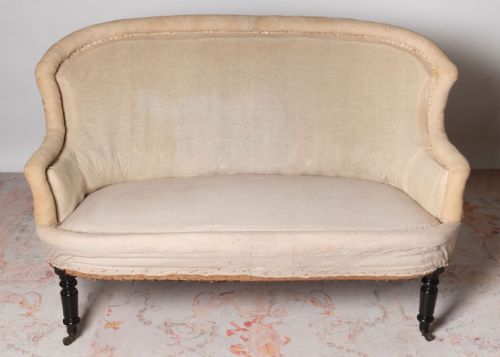
Makers and artisans produced these settees for formal salons and drawing rooms, utilising curved frameworks and padded seating. Survivors retain traces of historical upholstery or arrive bare for fresh textile application.
Materials and construction
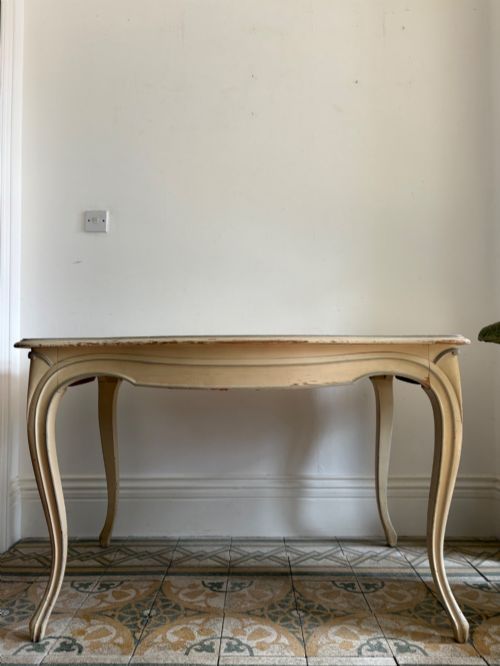
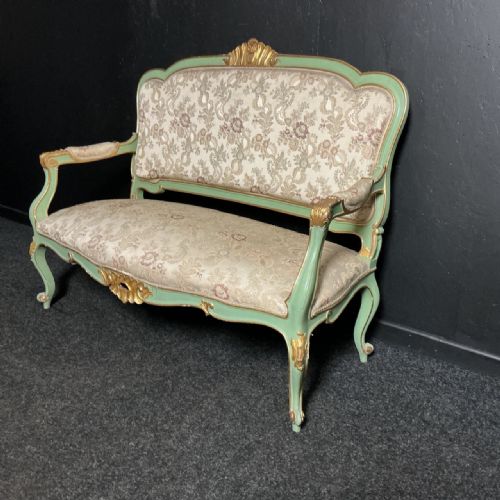
Carpenters shaped frameworks from timber such as walnut, mahogany, and rosewood, or applied paint and giltwood finishes to carved wooden structures. Structural details frequently include cabriole legs, parcel gilt accents, and brass or ormolu mounts.
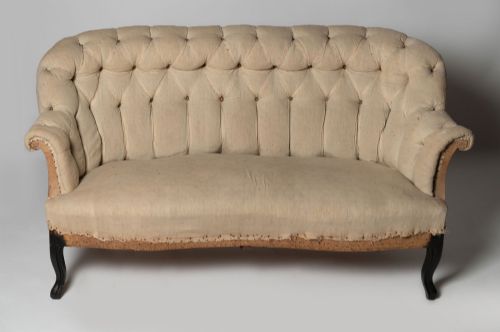
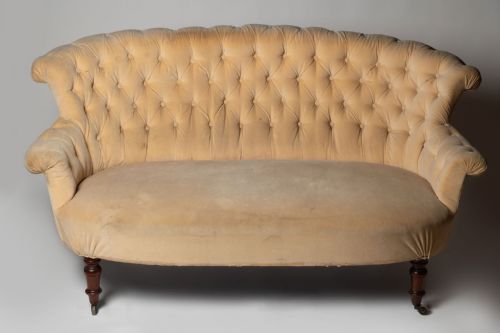
Upholstered elements rely on fabric, linen, velvet, and calico, often secured with buttoning techniques. Artisans combined these textiles with wooden frames to create supportive, padded seating designed for domestic display.
Current listings feature wood, giltwood, fabric, linen, and painted timber across multiple periods including the nineteenth century and the nineteen-twenties.
Distinctions in craftsmanship
Quality reveals itself in the depth and precision of the hand-carved wooden ornament upon the frame. Finer examples display crisp botanical or scroll motifs executed directly into solid timber rather than applied composition mouldings.
The integrity of the structural joinery dictates the longevity of each settee. Superior frames maintain rigid joints and balanced proportions, supporting the upholstered body without structural sway.
The Cream French Sofa Glossary
- Canape
- An upholstered settee or sofa with a wooden frame, characteristic of French seating design. These pieces often feature exposed carved woodwork along the crest rail and arms.
- Giltwood
- Timber treated with a thin layer of gold leaf or gilt finish. This decorative technique highlights the carved details of nineteenth-century frames.
- Cabriole leg
- A furniture leg that curves outward and then tapers inward toward the foot. This form draws inspiration from animal legs and appears frequently on period seating.
- Bergere
- An enclosed armchair or settee featuring upholstered sides integrated into the wooden frame. They provide a deeply comfortable sit within a formal wooden structure.
- Ormolu
- Cast bronze mounted and finished with a gold-coloured mercury gilding. Makers applied these decorative mounts to enhance formal mahogany and walnut furniture.
Cream French Sofa: Frequently Asked Questions
What periods do these sofas date from?
The listings span the nineteenth century and the twentieth century, with examples originating around eighteen-eighty, nineteen-hundred, and the nineteen-twenties. Revival styles such as Louis XV and Louis XVI remain prevalent across these dates.
Craftsmen continued building seated furniture in these historical manners well into the twentieth century, utilising traditional woodworking methods.
How do I identify a Louis XV style sofa?
Louis XV style pieces display flowing asymmetrical curves, cabriole legs, and carved floral motifs along the wooden frame. The overall silhouette avoids straight lines in favour of organic, undulating contours.
These designs prioritise comfort and visual lightness, making them suited for intimate salon spaces.
Are these sofas upholstered when purchased?
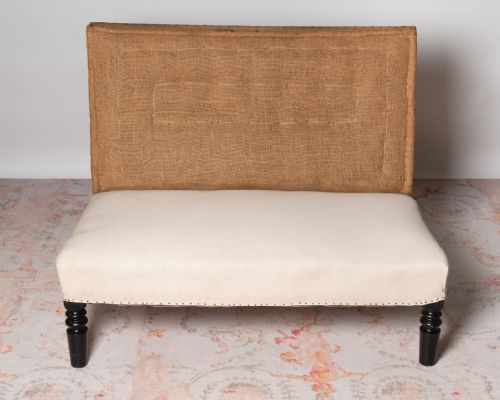
Some pieces arrive fully upholstered in fabrics like linen, velvet, or calico, while others are sold bare for custom re-upholstery. Historic pieces frequently require new textile layers to suit modern domestic use.
Buyers should inspect the listing details to confirm whether the existing upholstery is intended for immediate display or replacement.
Where were these settees placed originally?
These seating forms belonged in formal drawing rooms, reception spaces, and grand salons. Their decorative carved frames and gilt surfaces were designed to impress visitors.
Today, they function as statement seating in living areas, bedrooms, and hallways.