


Cream Framed Wall Mirror
A cream framed wall mirror brings light and period character to a room, drawing the eye with painted surfaces and traditional decorative carving.
Cream Framed Wall Mirror
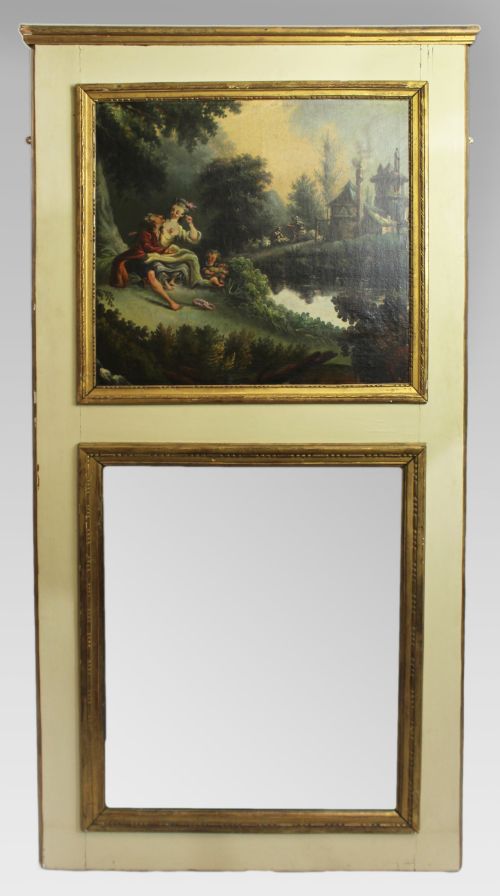
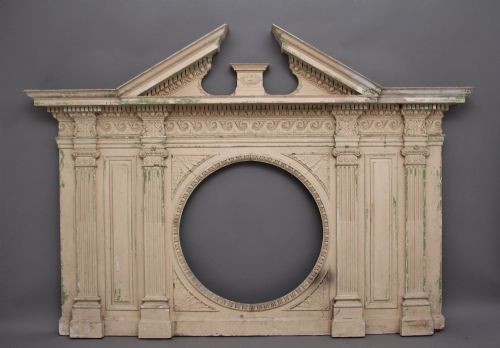
A cream framed wall mirror spans various historical eras, encompassing substantial overmantels designed for nineteenth-century fireplace placement alongside tall trumeau panels and simpler wall-hanging formats.
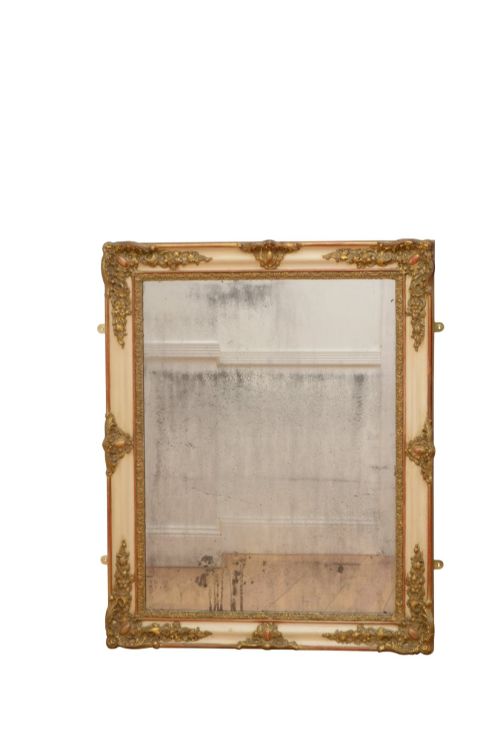
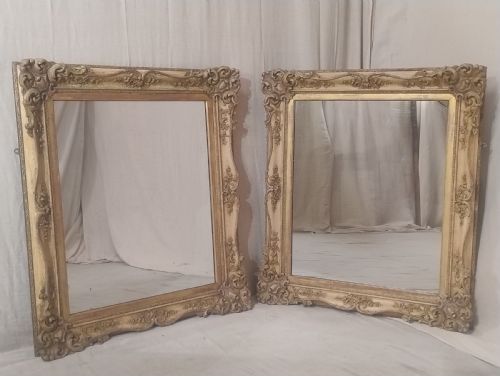
Most examples originate from the nineteenth century, reflecting French provincial taste and revival styles like Rococo, with painted finishes applied over wood and gesso frames.
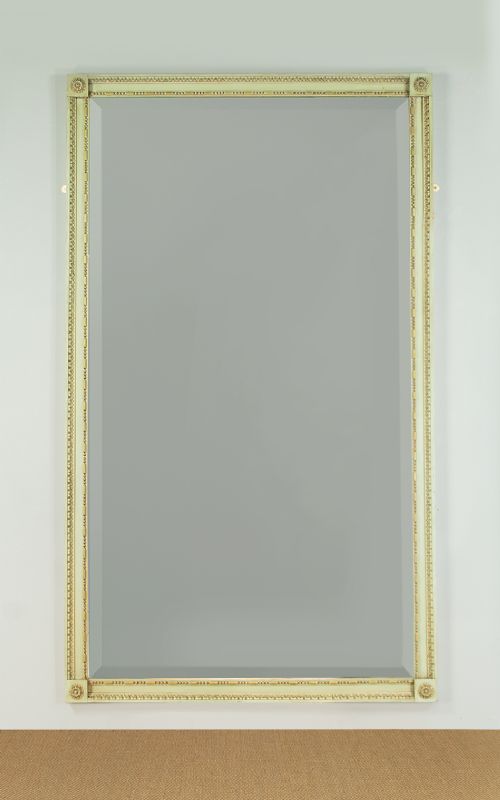
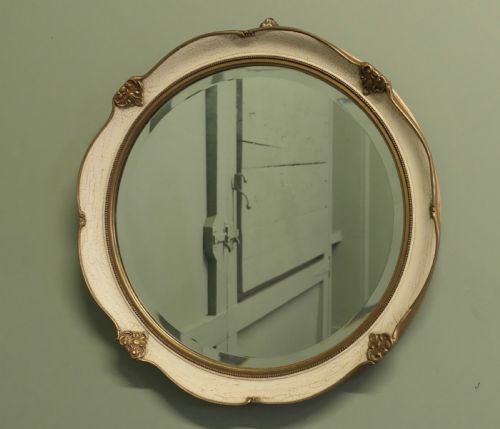
Buyers encounter grand architectural overmantel mirrors alongside round Art Deco variants, Edwardian ovals, and Italian pier glasses featuring muted cream and off-white paintwork.
How they were made
Frames rely on carved timber substrates built from pine or hardwood, upon which layers of gesso are applied to build up crisp decorative mouldings and scrollwork.
Finishing involves lead or oil-based paint in cream and off-white tones, often combined with parcel gilt or gold leaf highlights to accentuate the carved details.
Mirror plates are traditionally set into the rebates behind the frame, held with wooden backing boards and secured using period fixings.
Listings feature eighteenth, nineteenth, and early twentieth-century periods, spanning styles from French Provincial and Rococo Revival to Edwardian and Art Deco.
What varies in quality
The crispness of the hand-carved wood and gesso ornamentation dictates the calibre of the piece, separating finely detailed artisan work from simpler moulded alternatives.
Originality of surface finish remains vital, where layers of historic paint and partial gilding show genuine age rather than recent commercial repainting.
The integrity of the structural joinery in large overmantels ensures the heavy frame supports the glass securely without sagging at the corners.
The Cream Framed Wall Mirror Glossary
- Trumeau
- A decorative wall mirror combined with an oil painting or panel above the glass. These tall pieces were designed to sit between windows in formal nineteenth-century rooms.
- Gesso
- A plaster-like mixture applied to wooden frame bases to create smooth surfaces for carving or gilding. Skilled artisans shaped this compound before paint was applied.
- Overmantel
- A large wall mirror specifically proportioned to hang on the chimney breast above a fireplace mantelpiece. They frequently incorporate arched tops and architectural columns.
- Pier Glass
- A tall, narrow mirror designed to hang on the strip of wall between two windows. These pieces reflect light back into the centre of the room.
- Parcel Gilt
- A decorative treatment where portions of a painted surface receive gold leaf highlights. This technique draws attention to specific carved elements on the frame.
Cream Framed Wall Mirror: Frequently Asked Questions
Where should I hang a large overmantel mirror?
These large mirrors traditionally sit directly above a fireplace mantelpiece to anchor the room and reflect natural daylight. Secure wall fixings into solid masonry or wall studs are essential due to their substantial weight.
They also function effectively on main reception room walls opposite windows to maximise light distribution.
How do I clean a painted antique mirror frame?
Dust the carved gesso and painted wooden surfaces gently using a soft, dry microfibre cloth or a clean artist paint brush. Avoid chemical cleaning sprays or excessive moisture which can damage aged paint layers.
Glass cleaner applied directly to a cloth rather than the mirror prevents liquid from seeping behind the antique glass plate.
Are these frames painted recently or in period?
Many nineteenth-century mirrors feature original painted or over-painted surfaces that show natural craquelure and softening over decades of exposure. Closer inspection reveals the integration of the paint with the underlying gesso layers.
Some pieces display later decorative paint applications carried out to suit historical interior aesthetics.
What is the difference between a trumeau and an overmantel?
A trumeau incorporates a painted canvas panel or decorative carving set directly above the glass within a single tall frame. Overmantels focus entirely on a large mirror plate designed specifically for fireplace placement.
Both forms utilise painted wooden frames but serve different architectural wall positions.