


Cream Footstool
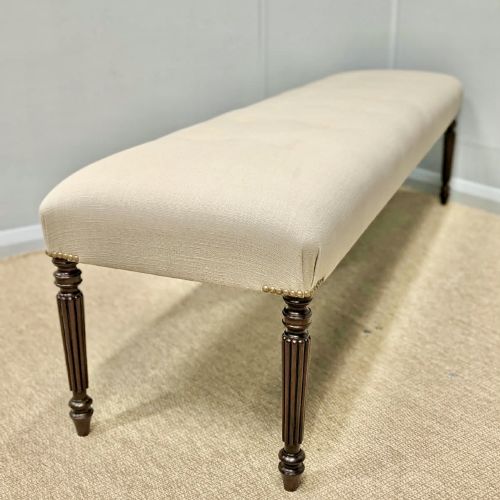
A cream footstool provides a low resting place for tired feet while anchoring a seating arrangement with subtle tone.
Cream Footstool
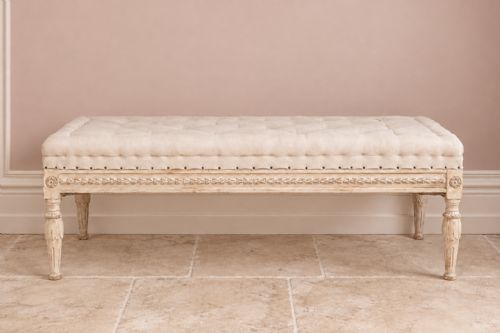
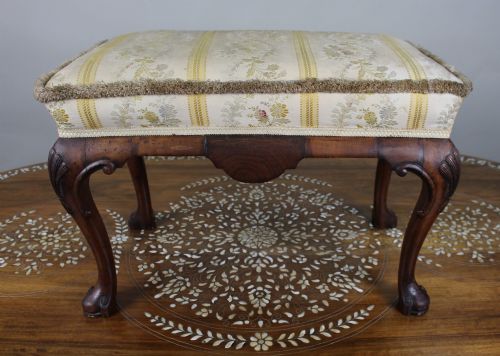
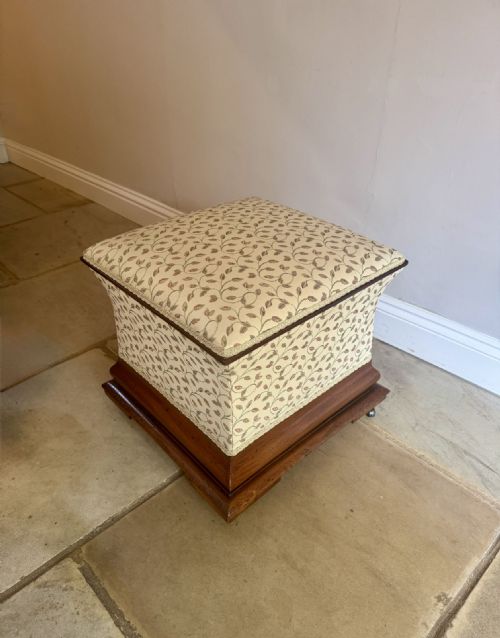
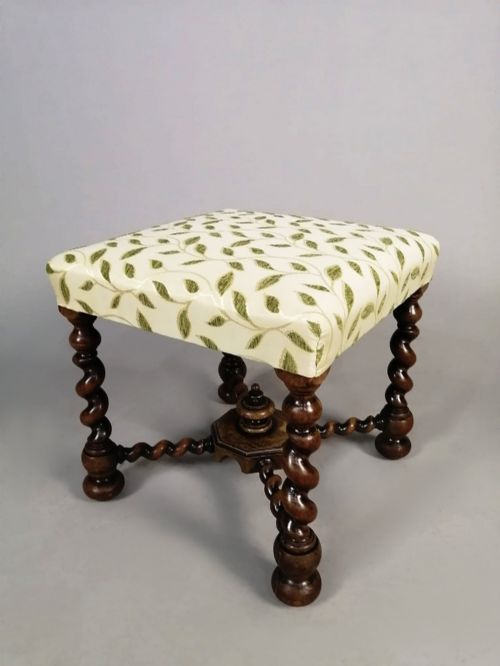
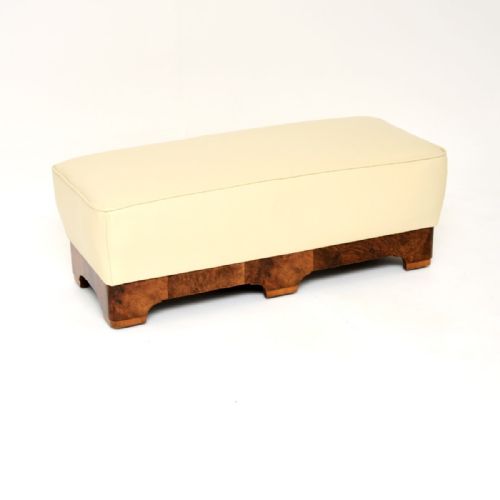
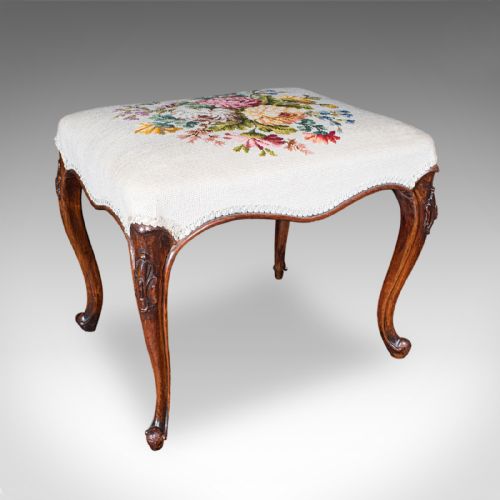
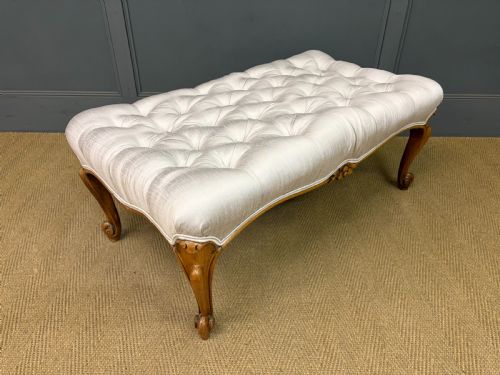
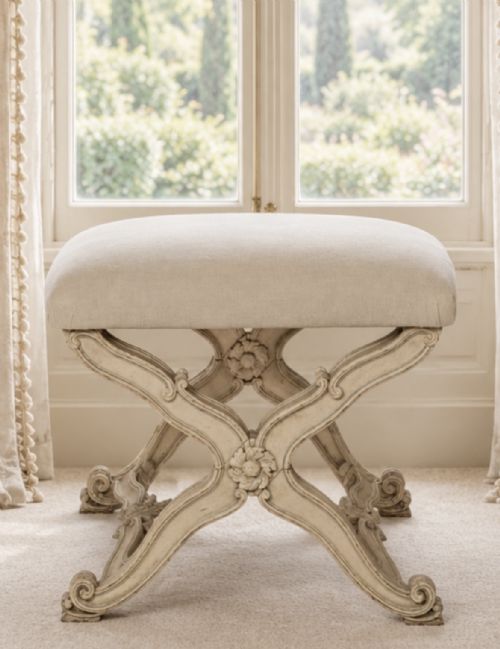
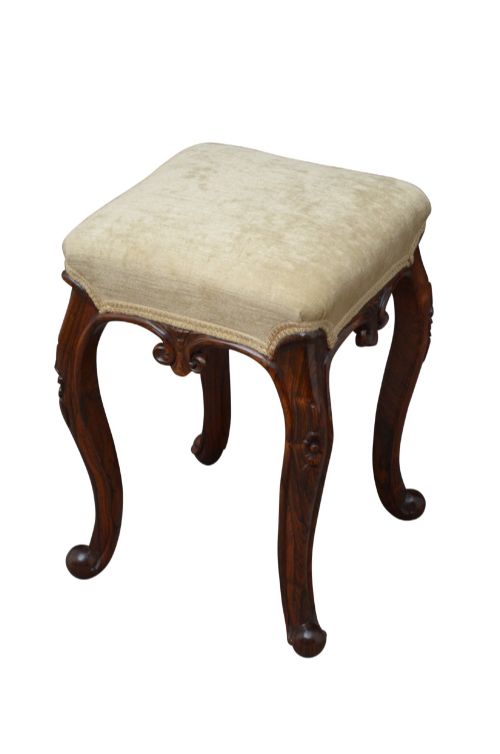
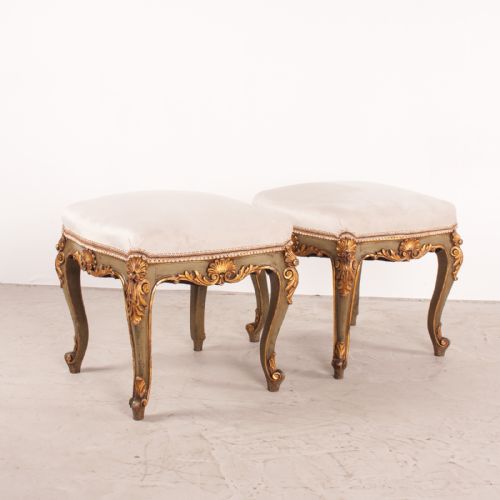
A cream footstool brings together traditional wooden framing and neutral upholstery in forms ranging from compact Victorian footstools to expansive Art Deco ottomans. When searching for a cream footstool, buyers typically encounter pieces built from mahogany, walnut, or painted wood, upholstered in fabric, leather, or needlepoint.
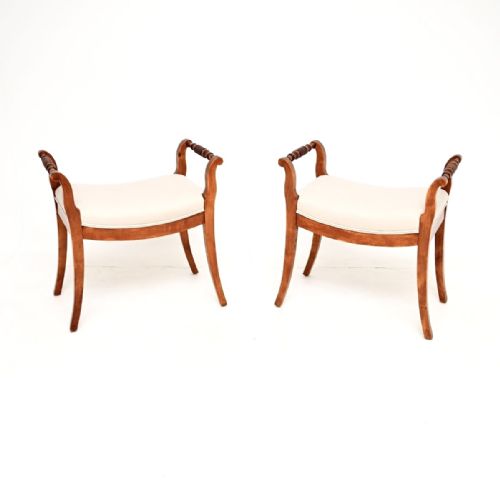
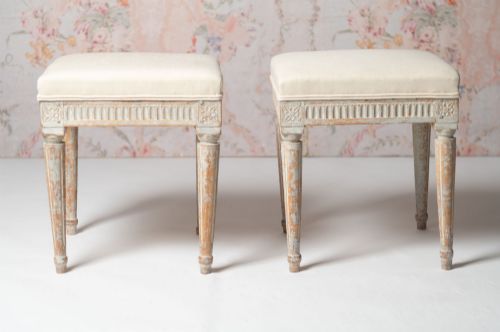
The selection includes specific regional designs such as Swedish birch pieces alongside English mahogany and walnut examples. Many items date from the nineteenth century, including Victorian and Regency eras, alongside early twentieth century Art Deco creations.
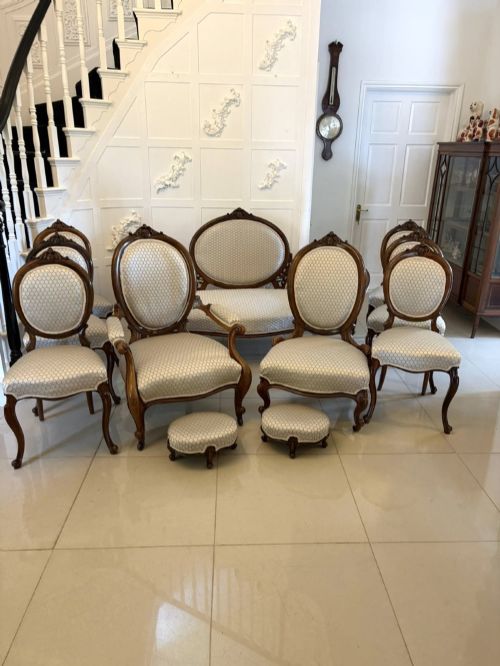
Forms span simple dressing stools and X-frame curule supports to larger salon suite elements and library window seats. These low seats serve various rooms, functioning alongside armchairs, dressing tables, or as standalone additions.
Materials and construction
Frames rely on hardwoods such as mahogany, walnut, rosewood, and satin birch, frequently shaped with carved details or turned supports like barley-sugar legs. Painted wood finishes, including gilded or original painted Continental surfaces, provide an alternative to exposed natural grain.
Upholstery methods incorporate fabric, linen, leather, and needlepoint, often secured with buttoning or brass tacks. Structural joints utilise traditional cabinetmaking techniques suited to the particular period, from nineteenth-century mahogany frames to Art Deco burr walnut.
Cream Footstool Retail Price Guide 2026
Typical asking prices for cream footstool among the pieces listed under this phrase on Sellingantiques today, from the lower quarter to the upper quarter. They describe what is for sale here now, not the wider market.
Some nineteenth-century examples feature concealed castors so discreet they appear to hover slightly above the carpet.
Assessing quality and craftsmanship
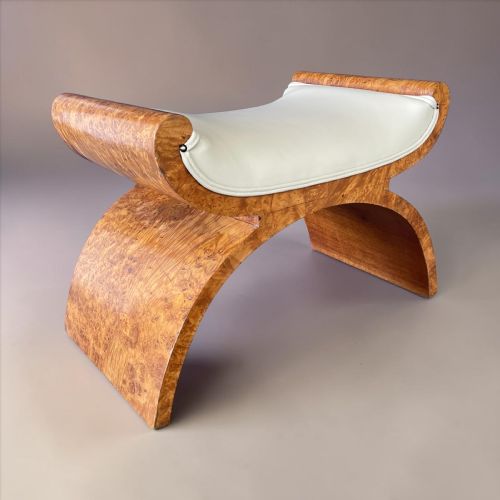
The distinction between standard and superior pieces rests on the crispness of timber carving, the choice of veneers such as burr walnut or birds-eye maple, and the integrity of the underlying frame. Finer examples display balanced proportions, particularly in complex forms like X-frames or cabriole legs.
Materials selection dictates the overall character, with dense hardwoods and well-executed upholstery outlasting simpler pine or lesser-finished alternatives. The cohesion between the wooden structure and the textile covering indicates the level of care invested in the piece's original creation.
Harry and Lou Epstein·Miles and Edwards·Howard and Sons
The Cream Footstool Glossary
- Ottoman
- A low, upholstered seat without arms or a back, frequently designed for shared seating or resting feet.
- X-Frame
- A structural base formed by intersecting curved or straight wooden members, creating a curule shape derived from ancient forms.
- Cabriole Leg
- A furniture leg that curves outward at the knee and tapers inward toward the foot, typical of various revival styles.
- Needlepoint
- A type of canvas work embroidery utilised historically for durable and decorative furniture upholstery.
- Oyster-Veneer
- Slices cut transversely from small branches to produce circular, oyster-like patterns in wood grain.
Cream Footstool: Frequently Asked Questions
What is a cream footstool used for?
These low seats function primarily as footrests in front of armchairs, sofas, or firesides, offering practical comfort in living spaces.
Beyond supporting feet, larger examples serve as impromptu seating or decorative accents within dressing rooms and reception spaces.
How do I identify Victorian pieces?
Victorian examples frequently utilise dark hardwoods like mahogany and walnut, accompanied by turned legs, buttoned upholstery, or elaborate carved frames.
Examining the underside and joinery helps confirm nineteenth-century production methods and materials consistent with the era.
Are Art Deco stools different?
Art Deco versions favour geometric lines, exotic veneers like burr walnut or birds-eye maple, and streamlined leather upholstery rather than ornate carved wood.
These twentieth-century designs reflect modernism while maintaining the low profile characteristic of traditional foot rests.
Where should I place a footstool?
Position a low seat directly opposite an armchair or sofa to create a continuous surface for resting legs during leisure time.
Smaller dressing stools fit beneath vanity tables, while longer examples can sit beneath windows or at the foot of a bed.