





Cream China Cabinets
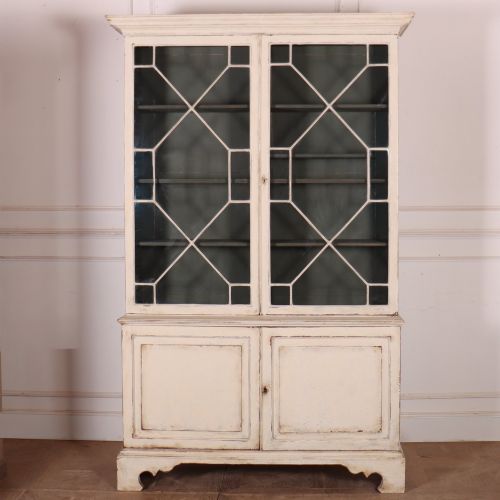
These cream china cabinets and associated display pieces bring soft painted finishes and glazed fronts to the display of fine porcelain.
Cream China Cabinets
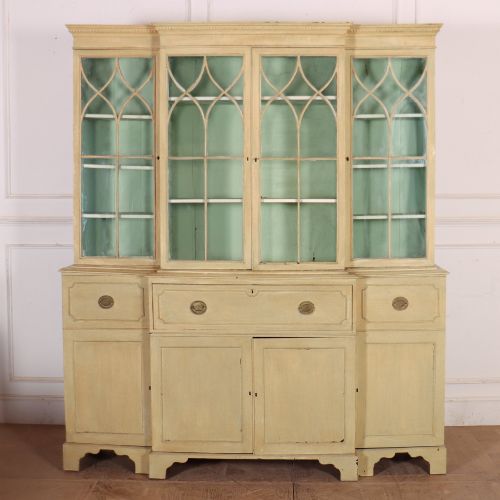
Cream china cabinets encompass a diverse range of painted display furniture and fine porcelain plates spanning from the eighteenth century through to the twentieth century. When searching for cream china cabinets, buyers encounter large glazed bookcases, vitrines, and smaller cabinet plates designed to showcase ceramics.
The pieces on this page cross multiple periods, including Georgian, Victorian, Edwardian, and later twentieth-century iterations such as French Provincial and English Country styles. Alongside substantial display cabinets sit individual cabinet plates and services by makers like Wedgwood, Masons, and Royal Worcester.
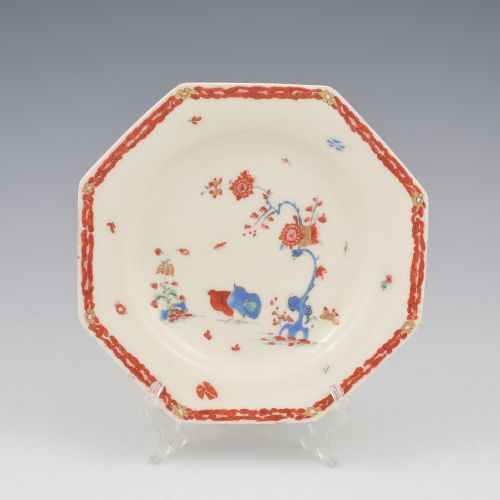
Forms vary from tall glazed bookcases and French painted concave glass cabinets to octagonal plates and shaped dishes. The unifying thread is the presence of cream or white painted wooden structures or pale porcelain bodies decorated with hand-painting.
Materials and construction
Wooden furniture pieces utilise timber treated with paint, enamel, and occasionally gilding or gold leaf to achieve their cream surfaces. Glass is integrated into doors and panels to protect the contents while maintaining visibility.
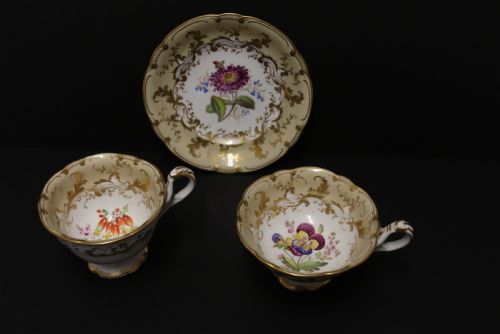
Ceramic items rely on porcelain, ironstone, and bone china bodies shaped into plates, dishes, and trios. Decoration involves hand-painting, pate-sur-pate, and enamelling applied over or under the glaze.
Cream China Cabinets Retail Price Guide 2026
Typical asking prices for cream china cabinets among the pieces listed under this phrase on Sellingantiques today, from the lower quarter to the upper quarter. They describe what is for sale here now, not the wider market.
Two quail occasionally keep watch from an 18th-century octagonal plate, bringing centuries-old Japanese design influence directly into European porcelain.
Assessing quality
Quality in these pieces rests upon the precision of the hand-painting on both the porcelain and the painted wooden surfaces. The finesse of decorative details, such as pate-sur-pate work or fine brushwork on cabinet plates, distinguishes standard production from superior examples.
Structural integrity in the cabinetry is defined by the quality of the timber, the clarity and execution of concave or flat glass panels, and the preservation of original painted finishes. Harmonious proportions between the glazed display space and the base structure elevate the standing of a cabinet.
Bow Porcelain·Copeland·Masons Ironstone·Mintons·Royal Worcester·Wedgwood·Davenport
The Cream China Cabinets Glossary
- Vitrine
- A glass-fronted display cabinet designed specifically for showing porcelain and small decorative objects. They often feature glazed sides as well as doors to maximise ambient light.
- Cabinet plate
- A decorative ceramic plate intended for display on a wall or within a cabinet rather than for everyday dining. These frequently exhibit elaborate hand-painted scenes or patterns.
- Pate-sur-pate
- A ceramic decoration technique where layers of liquid clay slip are built up on a coloured body to create a low relief cameo effect. This method requires considerable skill from the ceramic artist.
- Secretaire bookcase
- A tall case furniture piece combining a writing drawer with drop-front desk functionality and upper shelving enclosed by glazed doors. They represent a multifunctional approach to room furnishing.
- Kakiemon
- A style of Japanese porcelain decoration featuring asymmetric enamel designs of birds and flowers, which inspired eighteenth-century European factories like Bow. The palette typically includes soft iron red and yellow.
Cream China Cabinets: Frequently Asked Questions
What periods do these cabinets come from?
The selection covers pieces originating from the eighteenth century through to the early decades of the twentieth century. Styles range from Georgian and Victorian Gothic Revival to Edwardian and French Provincial.
Cabinet plates and display items share this chronological spread, demonstrating shifting decorative preferences over two hundred years of production.
How do I care for painted wood and glass?
Painted wooden surfaces benefit from gentle dusting with a dry, soft cloth and protection from direct sunlight to prevent paint degradation. Avoid harsh chemical cleaners that can damage vintage enamel or painted finishes.
Glass panels can be maintained with standard glass cleaner applied sparingly to a cloth rather than sprayed directly onto the surface near wooden frames.
What is the difference between a vitrine and a bookcase?
A vitrine is primarily built as a display case, frequently featuring glass on multiple sides to allow all-around viewing of porcelain and decorative objects. These are common in French Provincial and later decorative schemes.
A bookcase focuses on shelving for books, though many examples include glazed doors that allow them to function double duty as display cabinets for fine china.
How are cabinet plates meant to be displayed?
Cabinet plates are traditionally shown either mounted on walls using specialised hangers or supported upright on plate stands inside glazed display cabinets. They were produced specifically for visual appreciation rather than table service.
Pairing plates with complementary cabinets creates a cohesive period display that highlights the hand-painted porcelain techniques of factories like Royal Worcester and Wedgwood.