


Cranberry Shade Table Light
These pieces known as a cranberry shade table light bring a rich, warm glow to a room through their striking coloured glass and polished metal.
Cranberry Shade Table Light
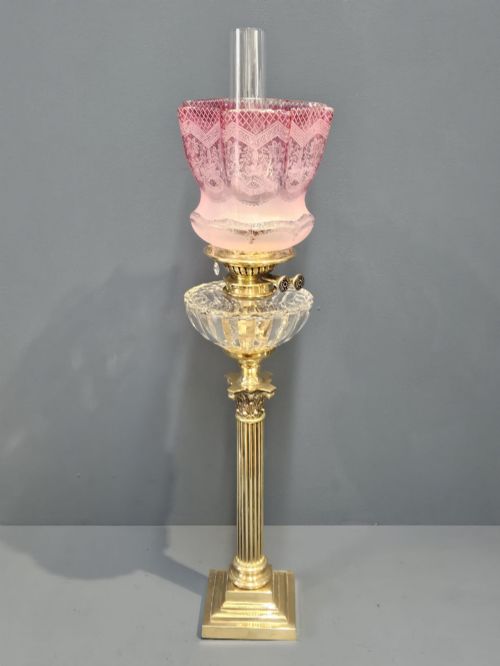
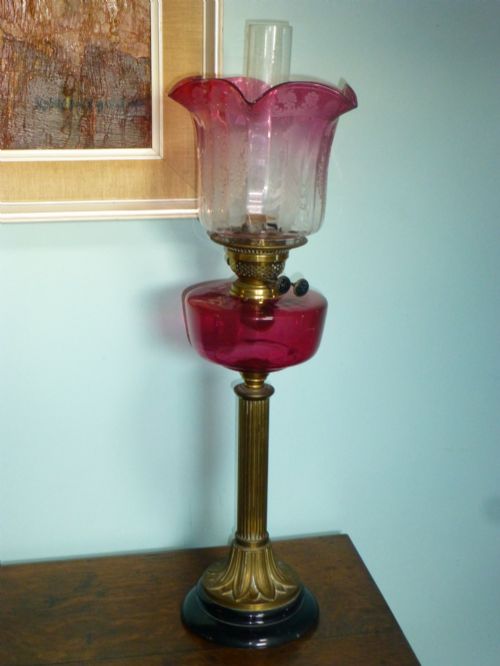
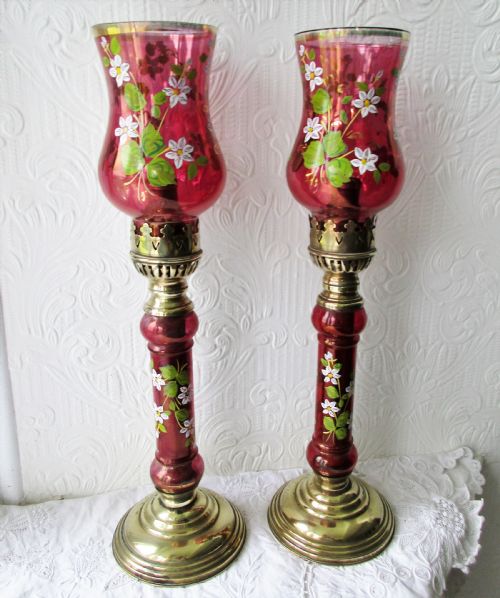
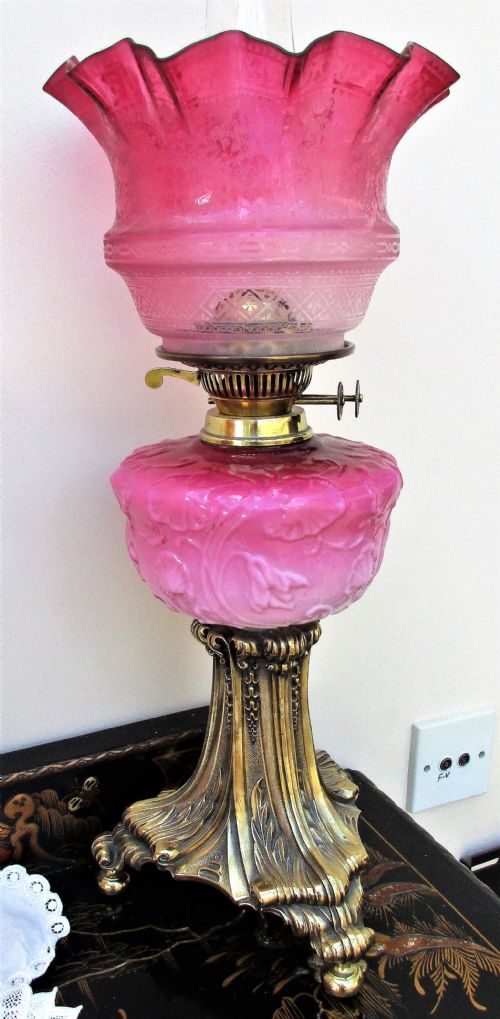
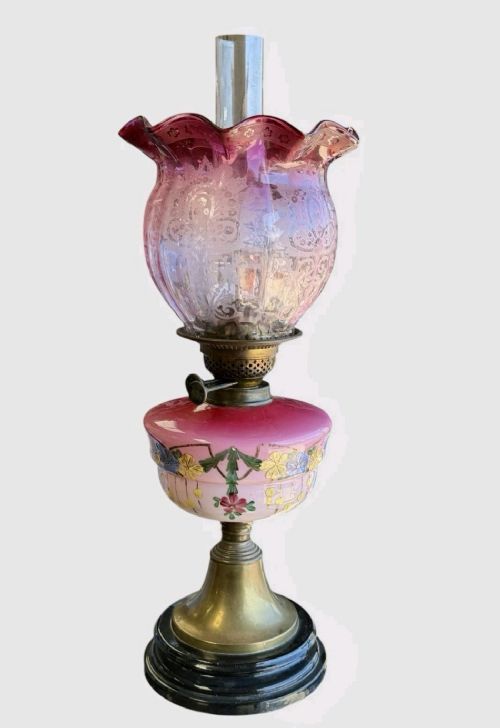
A cranberry shade table light combines functional illumination with decorative glass and metalwork from the nineteenth and early twentieth centuries. When searching for a cranberry shade table light, buyers encounter Victorian oil lamps, candle lamps, and Edwardian desk lamps featuring distinctive vibrant glass.
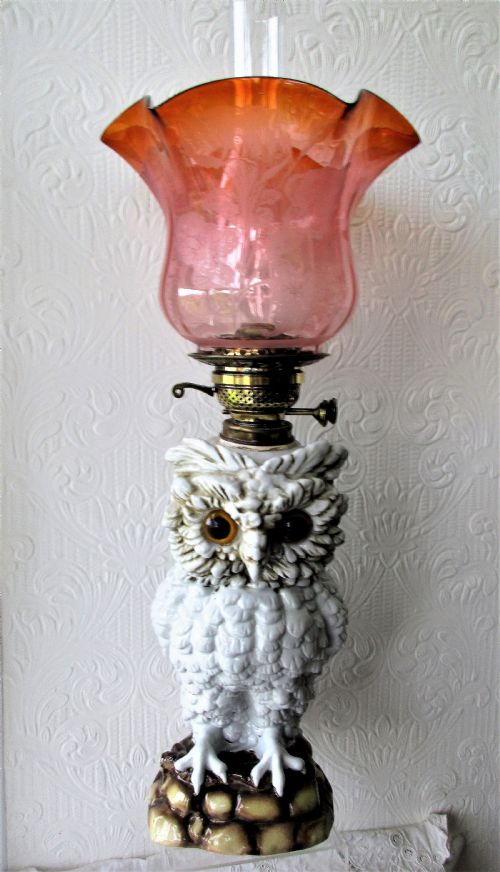
Most examples originate from the Victorian and Edwardian eras, spanning periods from the 1860s through to 1910. The forms range from tall Corinthian column oil lamps to adjustable desk lamps and porcelain body designs.
Makers and manufacturers such as Hinks, Taylor Tunnicliff, and Sitzendorf appear across these historical lighting pieces, showcasing both English and continental European production.
Materials and construction methods
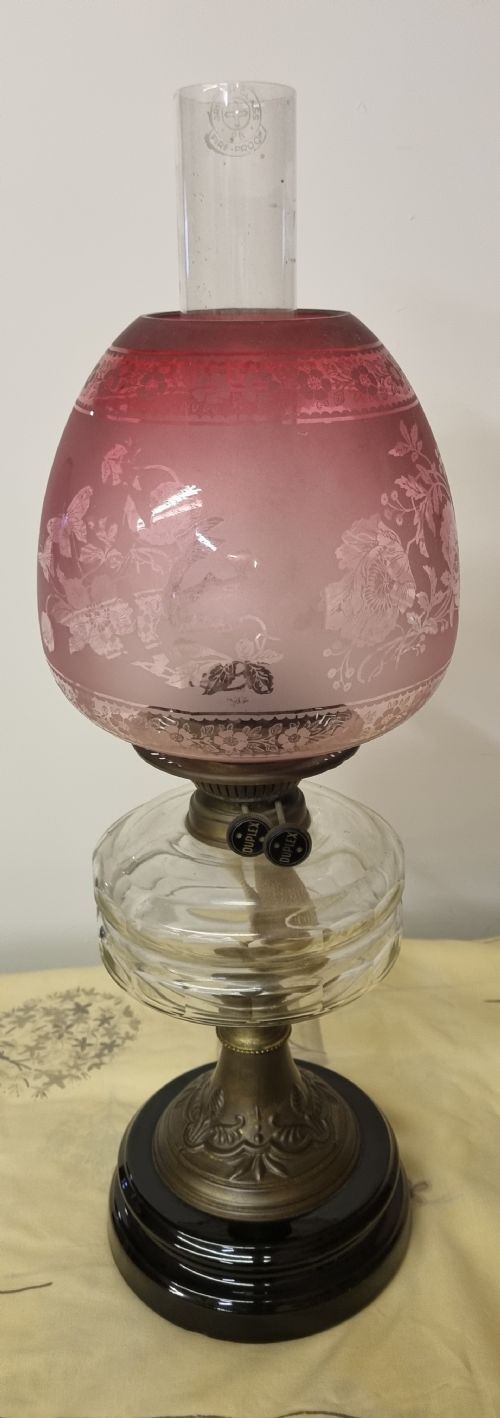
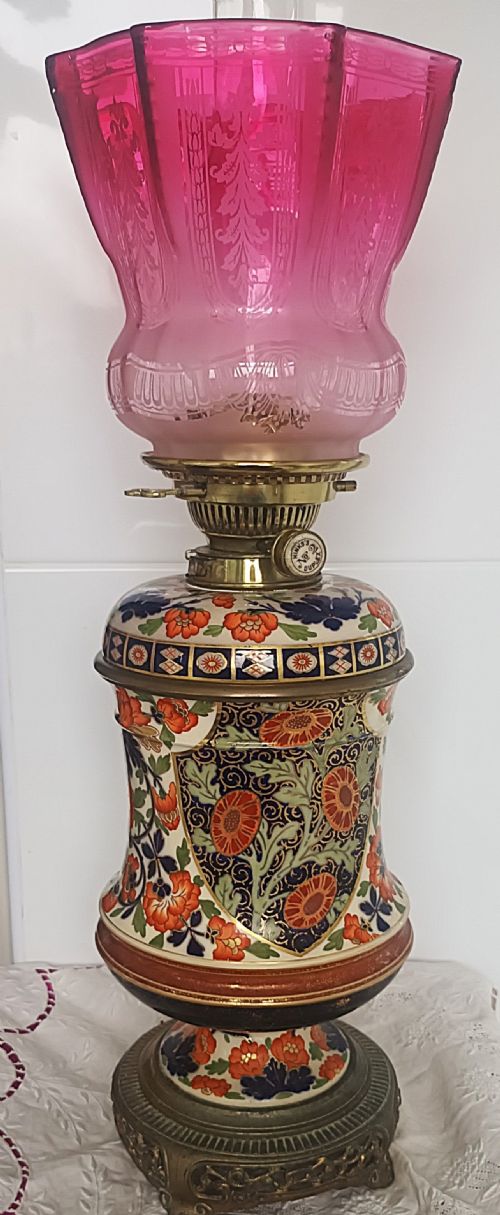
Brass serves as the primary metal framework for columns, burners, and bases, often paired with heavy ceramic or porcelain bodies. Glass components include clear glass, cut glass, enamel details, and deep pink or cranberry glass fonts and shades.
Shades and fonts frequently incorporate hand-painted decoration, floral botanical motifs, or ruby etching on the glass surface. Metal components utilise cast brass columns, sometimes featuring reeded or Corinthian detailing alongside duplex double burners.
Listings span the nineteenth and early twentieth centuries, featuring Victorian, Edwardian, and French Rococo Revival styles executed in brass, porcelain, and cranberry glass.
Factors distinguishing finer examples
The distinction between standard production and superior examples rests upon the weight of the brass castings, the depth of the column fluting, and the crispness of Corinthian capitals. Heavier metal gauge and intricate hand-painted detail on the porcelain or glass elevate an item above simpler utilitarian lighting.
The quality of the cranberry glass itself, alongside the presence of matching fonts and shades with intact etching or painting, separates exceptional decorative pieces from later assembled or replaced components.
Hinks·Taylor Tunnicliff·Sitzendorf
The Cranberry Shade Table Light Glossary
- Cranberry glass
- A rich red-pink glass coloured with gold chloride during production. This distinct material defines the characteristic shade of these historical lamps.
- Duplex burner
- A double-wick mechanism developed in the nineteenth century to provide a brighter illumination. It is commonly found on larger oil lamp models.
- Corinthian column
- An architectural column style featuring ornate scrolled acanthus leaves at the top. It was frequently adapted for Victorian brass lamp standards.
- Font
- The oil reservoir section positioned beneath the burner. In these pieces, the font is often made of matching cranberry or coloured glass.
- Reeded column
- A series of parallel convex mouldings running vertically up the brass shaft. This decorative turning adds texture to the lamp stem.
Cranberry Shade Table Light: Frequently Asked Questions
How do I operate an old oil lamp?
These pieces use twin wicks housed in a metal burner mounted above the glass or ceramic font. Fuel stored in the lower reservoir travels up the wicks to create the flame.
Most original burners feature thumbwheels to raise or lower the wick height for regulating the light output.
Were these lamps converted to electricity?
Many surviving examples retain their original oil mechanisms, burners, and galleries, preserving their historical function and construction.
Some desk lamps and table lighting from the Edwardian period onward incorporate adjustable frames originally designed for specific workspace tasks.
How do I clean cranberry glass shades?
Wash the glass components gently in lukewarm water using a mild, non-abrasive soap. Avoid harsh scrubbing on hand-painted botanical motifs or enamel details.
Dry the glass thoroughly with a soft cloth to maintain the clarity and rich colour of the material.
How can I tell Victorian from Edwardian pieces?
Victorian examples often favour ornate classical revival forms, such as Corinthian columns, heavy brass castings, and richly decorated porcelain bodies.
Edwardian lighting tends toward simpler silhouettes, including adjustable desk lamps and lighter brass frames suited to changing interior styles.