



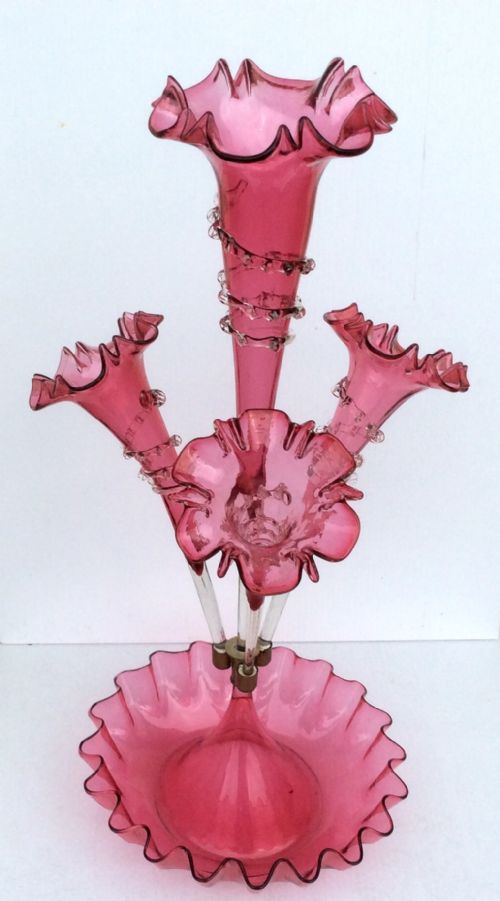


Cranberry Glass Flower Vase
These vibrant cranberry glass flower vase pieces bring rich colour to a room, catching the light with a distinct deep pink tone.
Cranberry Glass Flower Vase
When you search for a cranberry glass flower vase, you encounter decorative vessels shaped during the nineteenth century and the turn of the twentieth. These pieces appear in forms ranging from simple trumpet shapes to elaborate epergnes and cornucopias designed for display.
The items found here originate primarily from the Victorian era and the Art Nouveau period. You are most likely to meet single trumpet vases or pairs created in English workshops during the eighteen-eighties.
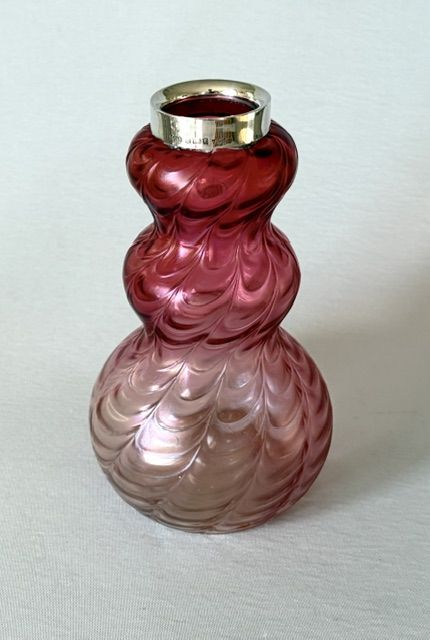
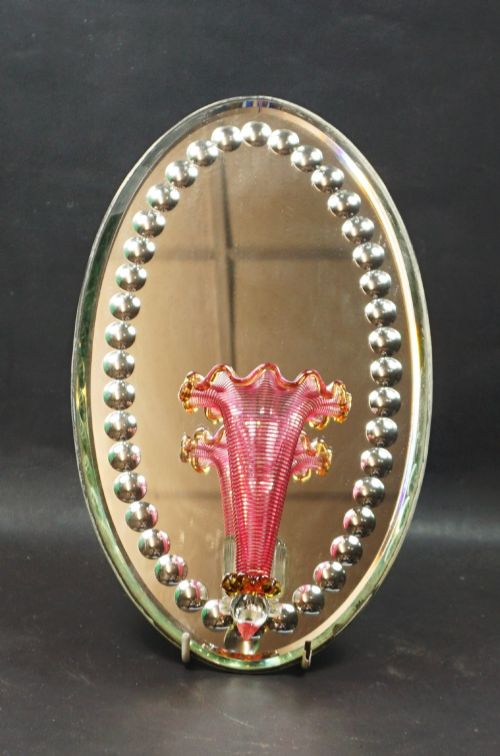
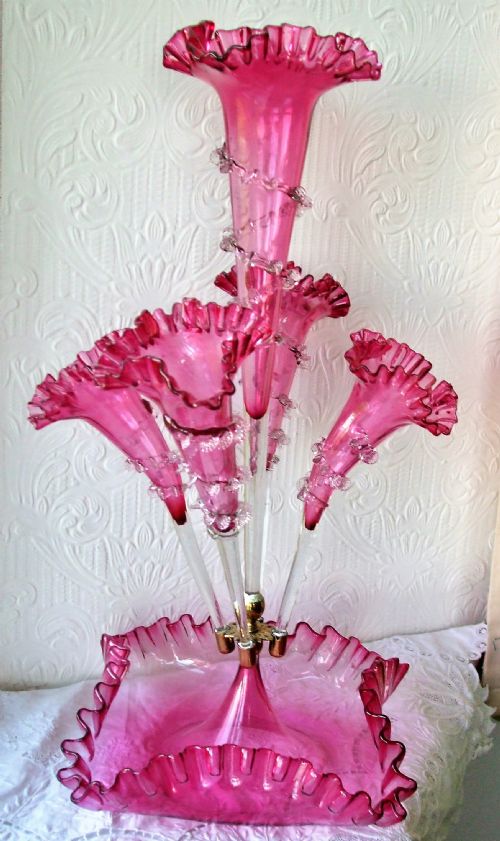
Makers utilised rich coloured glass, sometimes pairing the pink material with clear glass or mounting the vessels in sterling silver and brass. Certain pieces integrate into wall mirrors or form part of multi-horn table centrepieces.
How they were made
Glassmakers produced these vessels using gold chloride to achieve the characteristic pink and ruby tones in the molten material. Craftsmen shaped the hot glass by hand, blowing it into moulds or stretching the metal into delicate trumpet flares and ruffled rims.
Many examples incorporate clear glass overlays or crystal layers to add depth and brilliance to the body. Metalworkers finished certain items with sterling silver mounts and brass fittings to secure hanging mirrors or support complex epergne structures.
Cranberry Glass Flower Vase Retail Price Guide 2026
Typical asking prices for cranberry glass flower vase among the pieces listed under this phrase on Sellingantiques today, from the lower quarter to the upper quarter. They describe what is for sale here now, not the wider market.
Object forms on this page include single trumpet vases, matched pairs, wall mirrors, and elaborate multi-horn epergnes.
What varies in quality
The distinction between standard vessels and superior pieces rests on the depth of the colour and the complexity of the form. Richer ruby shades and heavier crystal overlays indicate a higher grade of manufacture.
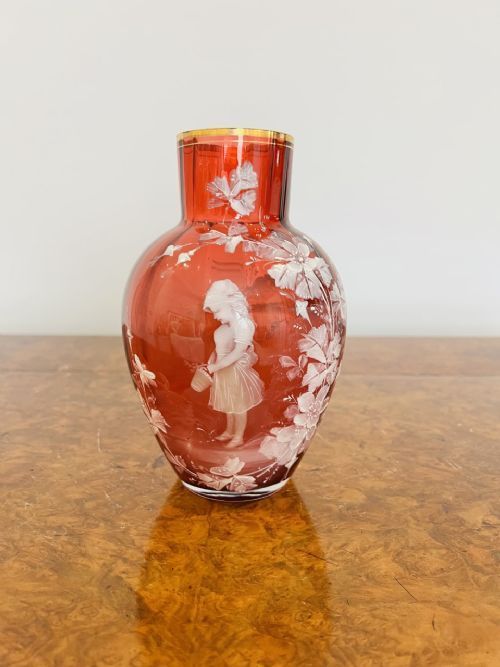
Details such as finely applied silver mounts, hand-painted white enamel decoration, and balanced multi-horn epergne configurations elevate the standing of a piece. Simpler blown trumpet vases represent a more straightforward standard of production.
The Cranberry Glass Flower Vase Glossary
- Cranberry glass
- A type of transparent glass coloured with gold chloride, producing shades from pale pink to deep ruby. It gained immense popularity during the Victorian era for decorative tablewares.
- Epergne
- A large table centrepiece featuring a central bowl with multiple detachable arms or trumpets. These branching vessels held flowers and fruit during formal dining.
- Cornucopia vase
- A horn-shaped vessel traditionally symbolising abundance and plenty. In Victorian examples, this curved form often terminates in ruffled or crimped rims.
- Trumpet vase
- A freestanding vessel widening gradually from a narrow base to a flared rim. This silhouette showcases the vibrant colour of the glass effectively.
- Silver mount
- A decorative or structural collar of sterling silver fitted to the neck or rim of a glass vessel. These additions often display hallmarks indicating the date and place of manufacture.
Cranberry Glass Flower Vase: Frequently Asked Questions
What is cranberry glass?
Cranberry glass is a transparent pink or ruby material created by adding gold to the molten glass batch. This technique produces a rich, warm hue that responds dynamically to changing light.
The colour intensity varies across different pieces, ranging from a delicate blush to a deep, dark red.
How do I use an epergne?
An epergne serves as a striking table centrepiece designed to hold floral displays and sweetmeats during formal dining. The central bowl supports several smaller detachable trumpets or hanging baskets.
Fill the trumpets with short stems and water carefully to maintain stability and protect the antique glass.
How do I date Victorian glass?
Dating Victorian glass relies on identifying stylistic markers, manufacturing techniques, and any accompanying metal mounts. Pieces from this era often feature hand-blown elements, polished pontil marks, and distinct nineteenth-century silhouettes.
Comparing the form with documented patterns from the eighteen-eighties helps narrow down the period of origin.
Are these vases fragile?
Like most antique glassware, these vessels require careful handling and stable placement away from high-traffic edges. The thin blown sections and delicate ruffled rims demand gentle cleaning with lukewarm water.
Avoid sudden temperature changes to protect the historical material from thermal shock.