




Craftsman Style Shelf
A craftsman style shelf brings honest timber and utility together, offering straightforward storage that anchors a room without fuss.
Craftsman Style Shelf
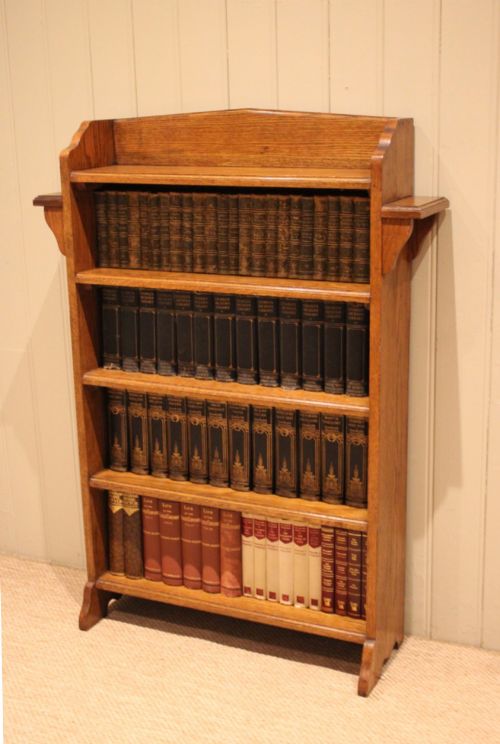
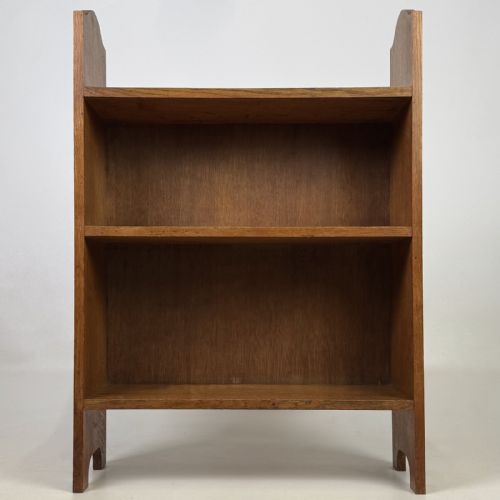
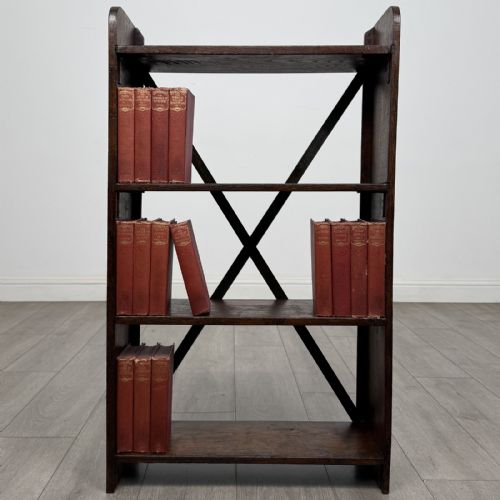
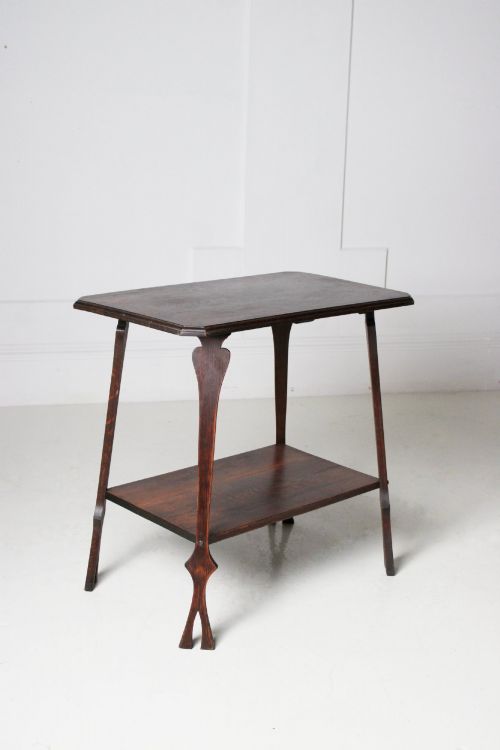
A craftsman style shelf usually takes the form of an open bookcase or a small table, built to serve daily domestic life without excessive ornament. The pieces found here span the late nineteenth century and the early decades of the twentieth century, with Edwardian examples and dates around 1900 appearing regularly.
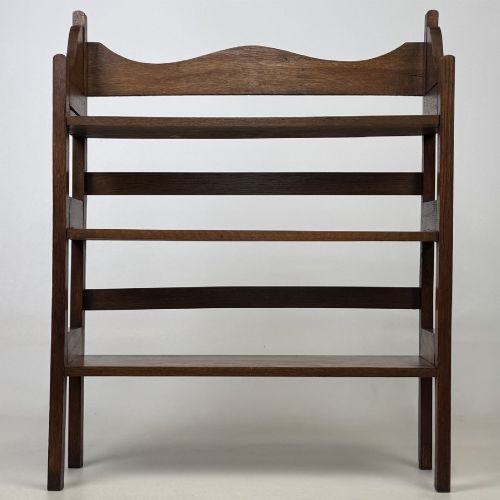
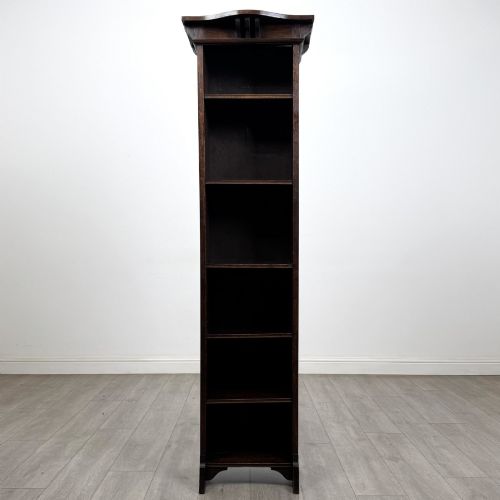
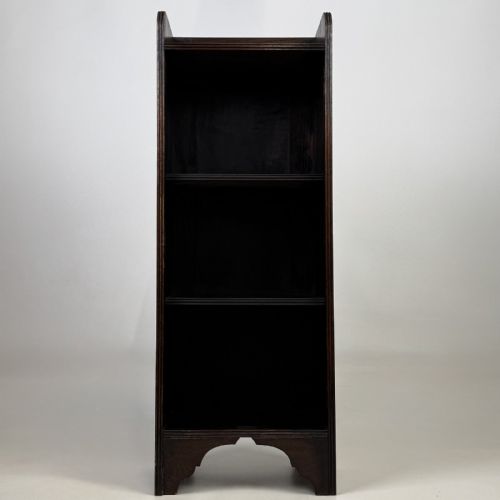
Most items grouped under a craftsman style shelf rely on sturdy oak or walnut construction. Buyers encounter open front bookcases with multiple shelves, alongside occasional slope-shelf designs, bureaux, and lamp tables associated with the Arts and Crafts movement.
How they were made
Makers built these pieces primarily using solid oak and walnut, selecting timber for visible grain and structural strength. Construction methods often included pegged joints and open fronts designed for practical use.
Detailing remained restrained, sometimes incorporating inlaid marquetry or brass fittings to accent the woodwork. The finish highlights the natural properties of the timber rather than masking them beneath heavy varnish.
Craftsman Style Shelf Retail Price Guide 2026
Typical asking prices for craftsman style shelf among the pieces listed under this phrase on Sellingantiques today, from the lower quarter to the upper quarter. They describe what is for sale here now, not the wider market.
Materials documented across the current selection include solid oak, walnut, brass hardware, and occasional inlaid marquetry.
What varies in quality
The distinction between standard utility pieces and finer examples rests on timber selection and joinery execution. Pieces featuring pegged joints and carefully figured oak sit higher in the range than simpler commercial productions.
Proportion and utility also separate the better examples, where height and shelf depth balance cleanly. Subtle decorative additions, such as inlaid detail or thoughtful brass hardware, mark out superior work.
The Craftsman Style Shelf Glossary
- Arts and Crafts
- A design movement spanning the late nineteenth and early twentieth centuries that prioritised traditional craftsmanship and honest materials. It rejected mass-produced ornamentation in favour of solid construction.
- Open Bookcase
- A piece of furniture designed for book storage featuring accessible front shelving without doors. These units range from small bedside heights to tall multi-shelf structures.
- Pegged Joint
- A traditional method of securing timber framing by driving a wooden pin through a mortise and tenon connection. This technique provides structural stability without metal nails.
- Marquetry
- The art of applying small pieces of veneer to a structure to form decorative patterns. It appears on select surfaces to add visual contrast.
Craftsman Style Shelf: Frequently Asked Questions
What defines a craftsman style shelf?
A craftsman style shelf relies on solid timber construction, typically oak or walnut, focusing on utility and visible structural honesty. These pieces avoid heavy factory ornamentation in favour of clean lines.
Most examples date from the late nineteenth century through the Edwardian period and include open bookcases or small side tables associated with the Arts and Crafts movement.
How do I use an open bookcase?
An open bookcase provides accessible storage for books, ceramics, and daily items while keeping floor plans feeling open. Their shallow depth allows them to sit comfortably in hallways, living rooms, and studies.
Because the shelves are entirely exposed, arranging items with varied heights helps balance the visual weight of the timber frame.
Is oak common in these pieces?
Oak is the primary timber found across these listings, valued by makers for its durability and prominent grain pattern. Walnut also appears frequently in pieces from the same period.
The choice of timber dictates the overall tone of the furniture, ranging from golden oak finishes to deeper walnut surfaces.
How can I date an Edwardian shelf?
Dating relies on recorded periods, stylistic markers, and construction methods associated with the early twentieth century. Edwardian pieces often share characteristics with items dated around 1900 and 1910.
Examining the timber preparation, joinery style, and any secondary woods helps place the piece within its historical manufacturing window.