

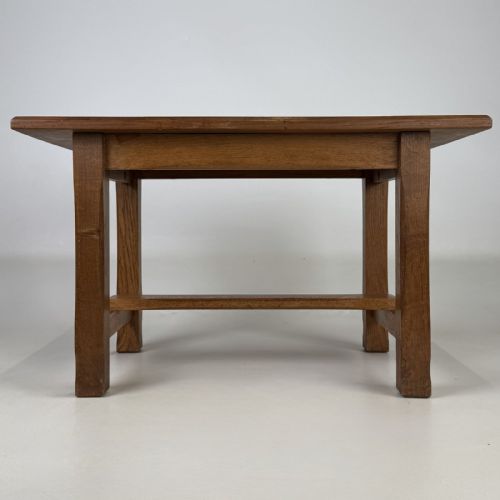
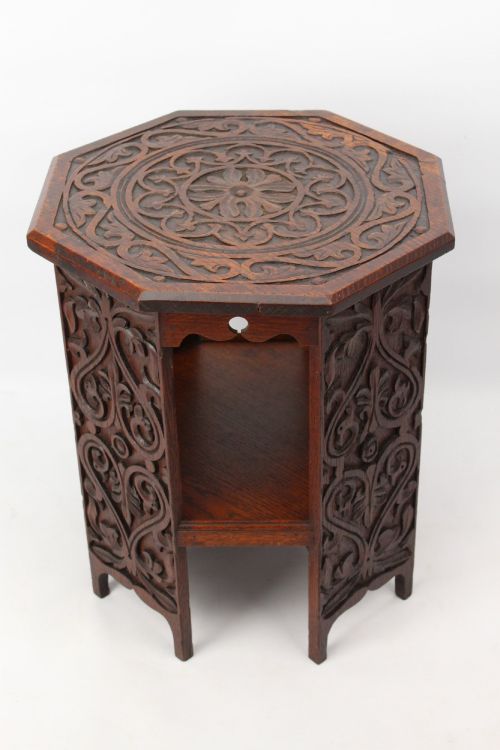
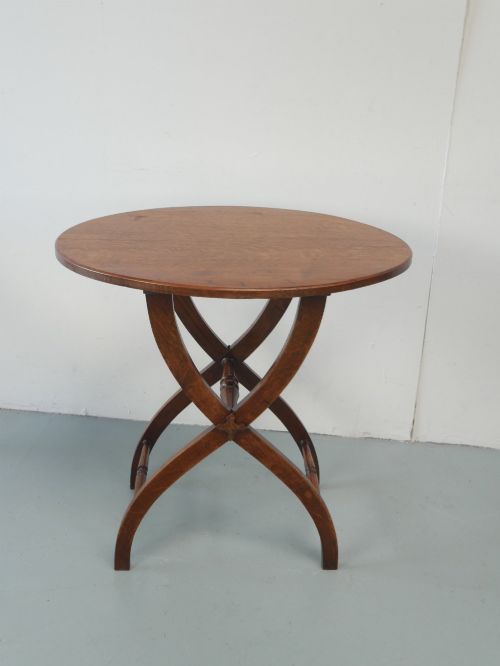
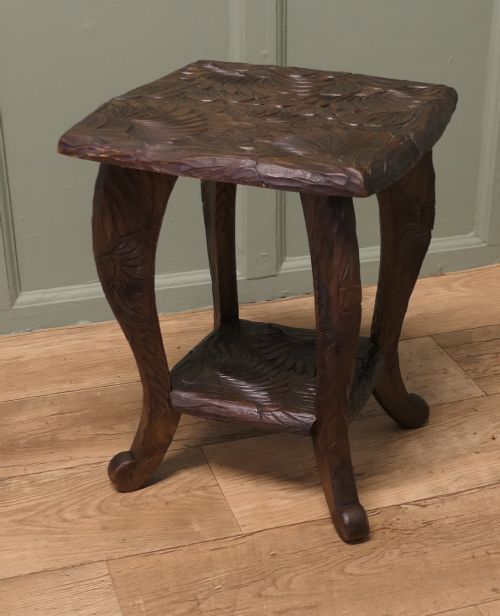
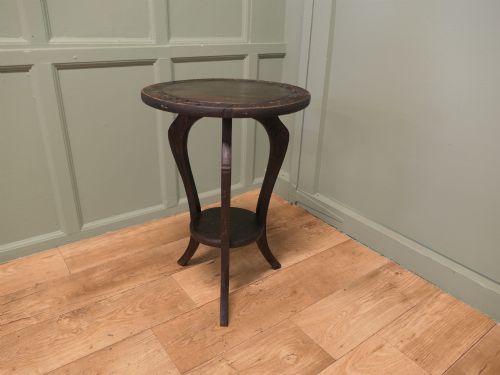
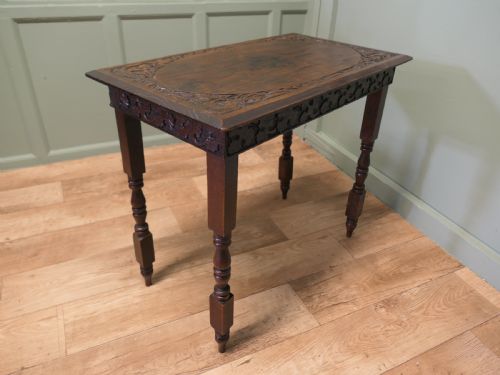
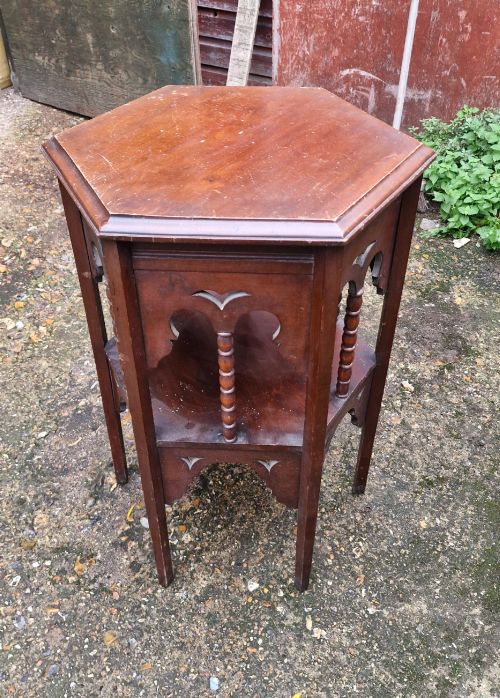
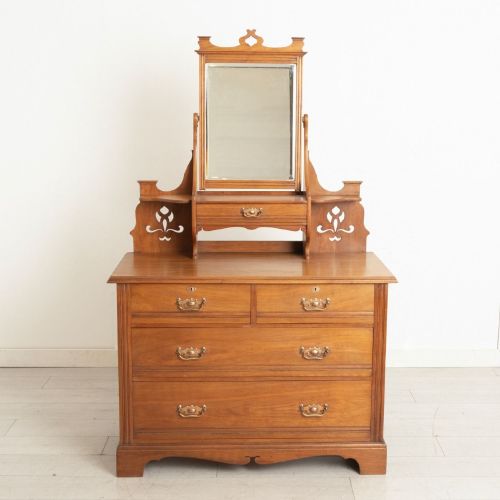
Crafted Wood Table
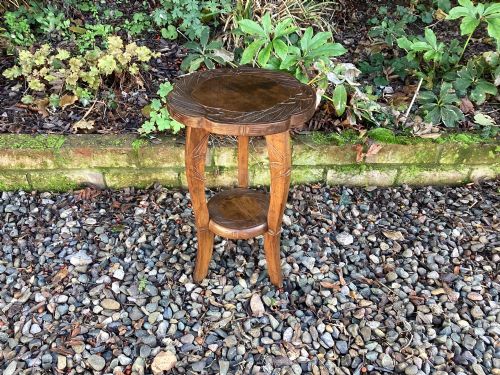
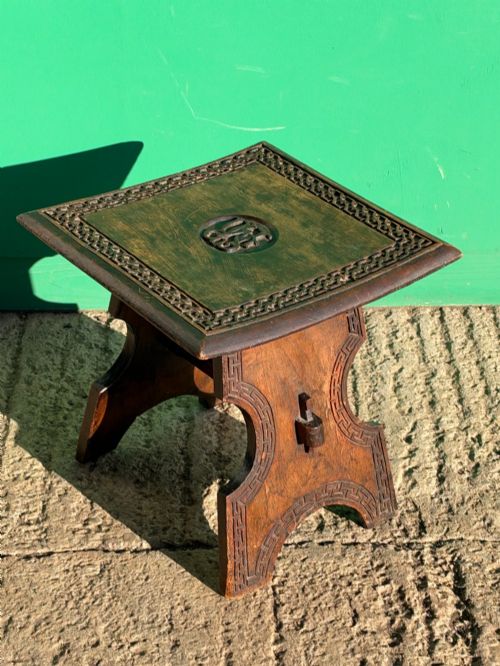
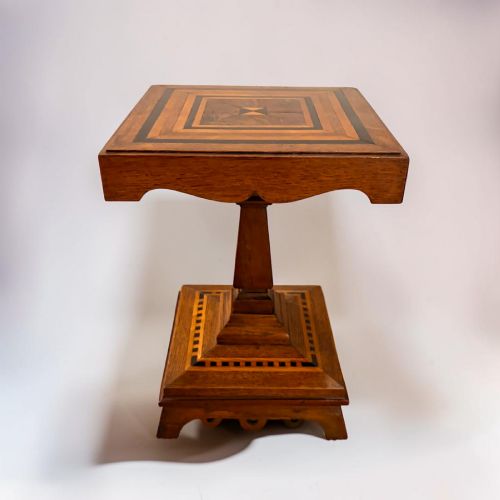
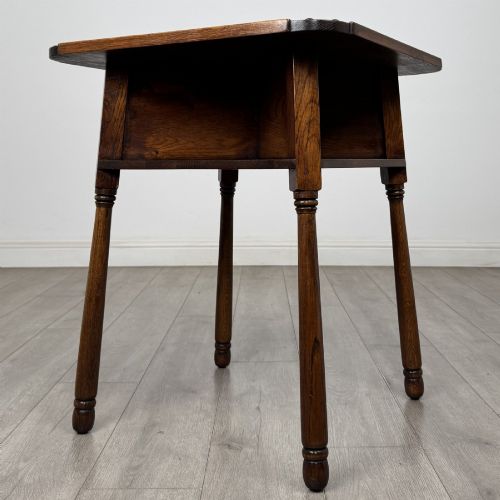
These pieces form a crafted wood table selection, bringing solid timbers and period character directly into everyday rooms.
Crafted Wood Table
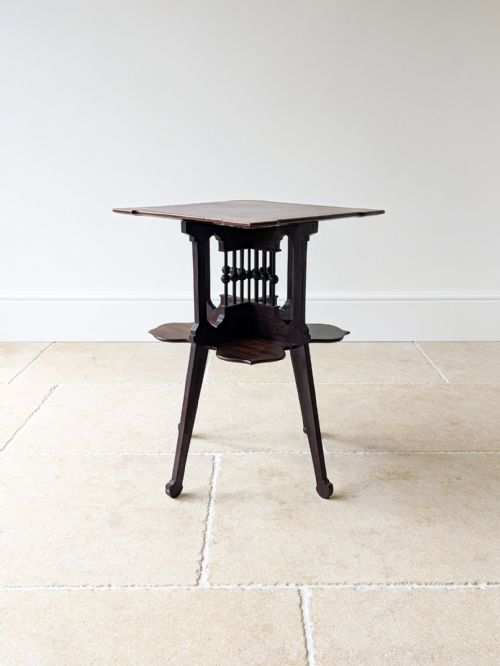
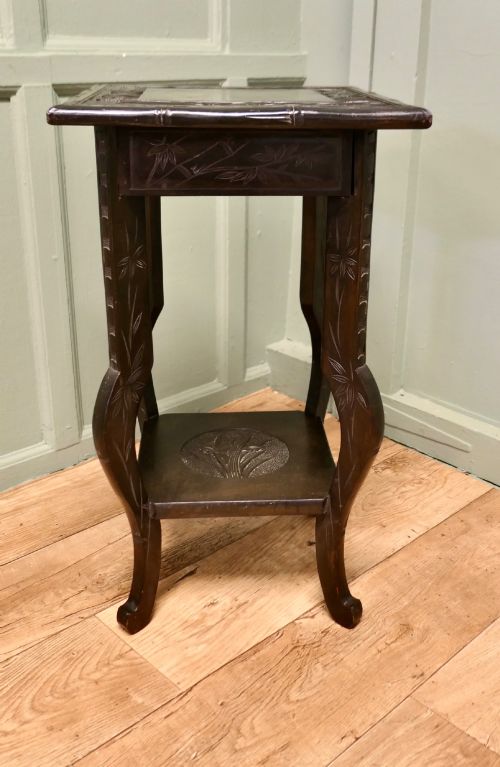
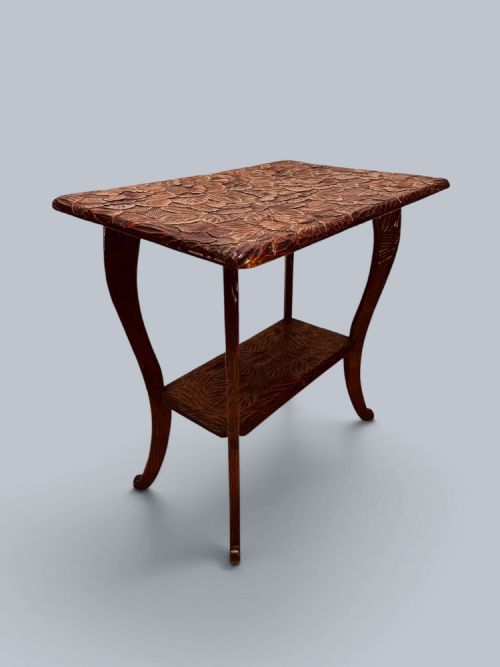
Makers utilised timber such as oak, mahogany, walnut, ash, and elm to build these items. Buyers frequently encounter small occasional pieces or plant stands bearing regional vernacular details or retail hallmarks from prominent London houses.
The objects serve functional roles in domestic spaces while displaying distinct period aesthetics. Construction methods range from simple pegged joints to intricate carved ornamentations and pyrography details.
Materials and construction methods
Makers relied heavily on solid hardwoods like oak, mahogany, walnut, and elm for structural stability and surface durability. Timber selection dictated the weight and visual grain pattern of each piece, whether finished with a wax polish or left with a natural sheen.
Joinery techniques included traditional pegged construction and straightforward framing to support daily use. Additional decorative elements incorporated carved motifs, ebonised finishes, and brass hardware to complement the primary wood.
Crafted Wood Table Retail Price Guide 2026
Typical asking prices for crafted wood table among the pieces listed under this phrase on Sellingantiques today, from the lower quarter to the upper quarter. They describe what is for sale here now, not the wider market.
Listings feature oak, mahogany, walnut, ash, elm, and fruitwood across the Victorian and Edwardian periods.
Assessing quality in period timber furniture
Quality rests on the selection of timber and the precision of the joinery rather than surface ornamentation alone. Solid hardwoods display tighter grain patterns and stable construction that withstands decades of domestic handling.
Design integrity separates standard utility items from pieces bearing distinct stylistic attribution or workshop labels. Thoughtful proportion, balanced carving, and integrated hardware indicate higher levels of maker competence.
Heals·Liberty & Co·Shapland & Petter·EW Godwin·William Birch·Hubert Simpson of Kendal·George Walton
The Crafted Wood Table Glossary
- Occasional table
- A small movable table designed for specific temporary uses within a room. These pieces appear frequently in various timber configurations.
- Work table
- A specialised piece featuring storage compartments or drawers intended for sewing and domestic tasks. They often include fitted interiors for small implements.
- Pegged construction
- A method of joining wooden elements using wooden pins rather than modern metal fasteners. This technique indicates traditional craftsmanship.
- Ebonised
- Wood treated with a chemical stain or finish to imitate ebony. This dark finish appears commonly on specific period decorative items.
- Pyrography
- The art of decorating wood by burning designs with a heated tool. Pieces featuring this technique display intricate botanical or geometric patterns.
Crafted Wood Table: Frequently Asked Questions
What defines a crafted wood table?
These items comprise utilitarian and decorative furniture pieces built from solid timbers during the nineteenth and early twentieth centuries.
They reflect prevailing design movements such as Arts and Crafts, featuring visible construction methods and natural wood finishes.
How do I identify an Arts and Crafts table?
Look for honest construction, such as exposed pegs, pegged joints, and minimal reliance on applied veneers. The focus remains on the natural grain of oak, ash, or elm.
Decoration is typically restrained, drawing inspiration from Celtic motifs, plant forms, or simple geometric lines rather than heavy classical revival styles.
Where were these tables used?
Original owners placed these items in sitting rooms, hallways, and bedrooms as functional surfaces for lamps, books, or sewing materials.
Their compact scale allowed them to move easily around domestic interiors to serve immediate needs.
How do I care for a vintage wooden table?
Maintain the surface by applying natural beeswax periodically to nourish the dry timber and protect the original finish from moisture.
Keep the furniture away from direct heat sources and strong sunlight to prevent the wood from warping or splitting over time.