




Countryside Watercolour Scene
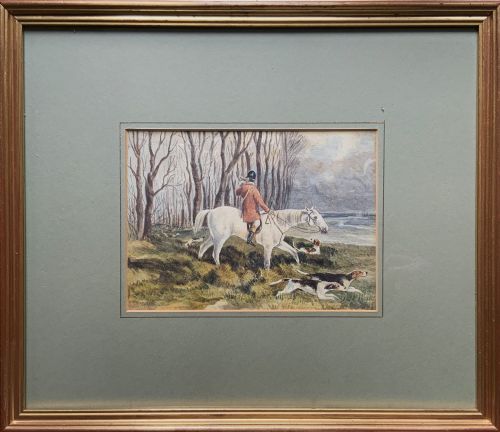
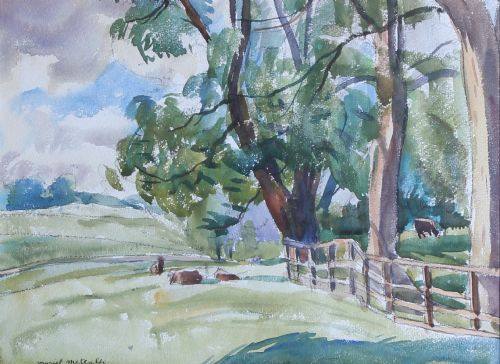
A countryside watercolour scene captures rural pastoral life on paper, offering buyers a genuine connection to historic British landscapes.
Countryside Watercolour Scene
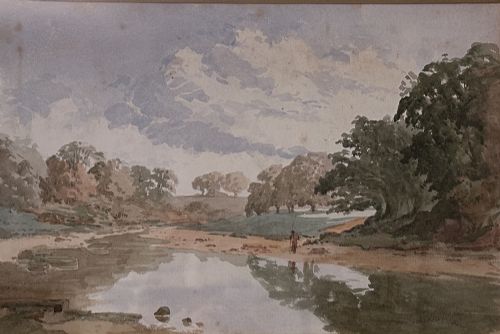
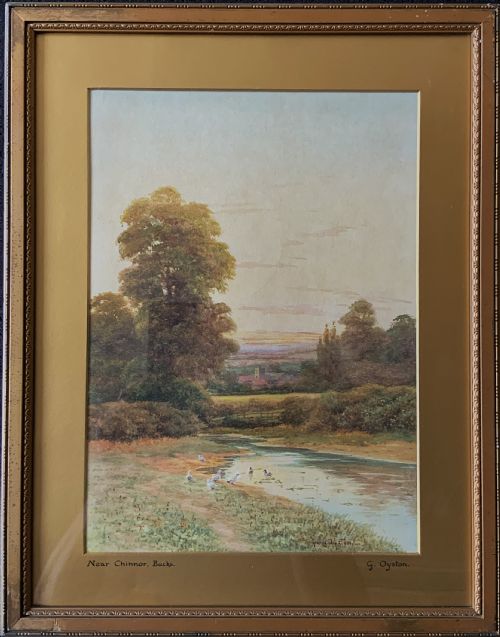
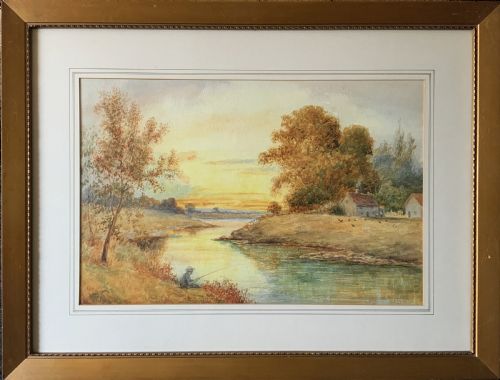
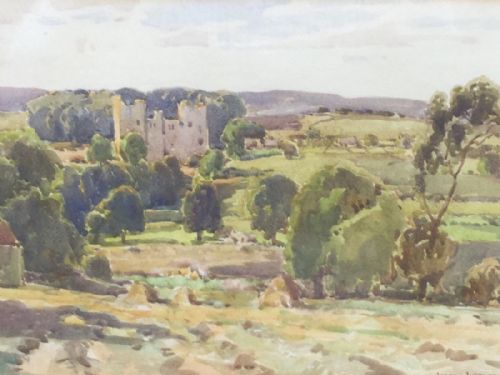
A countryside watercolour scene depicts rural life, rivers, cottages and agricultural work across Britain. Buyers search for these pieces to bring traditional pastoral imagery into domestic interiors. The most common examples encountered here date from the Victorian period through to the mid twentieth century, rendered on paper.
These works typically portray specific regions including Yorkshire, Devon, Essex and various rural villages. Artists record local topography, seasonal farming, riversides and thatched cottages with descriptive detail. The resulting paintings serve as historical records of changing rural environments.
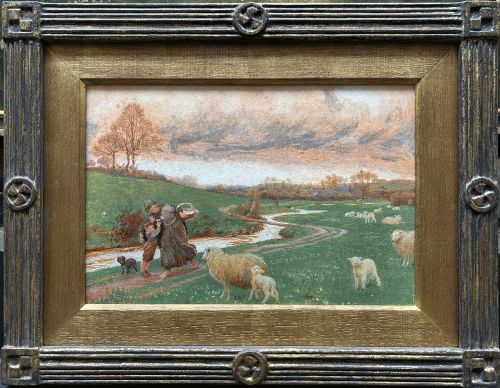
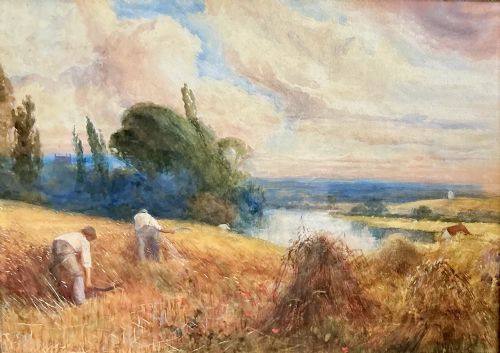
The selection ranges from intimate framed studies of farmworkers to expansive pastoral landscapes featuring livestock and rivers. These watercolours encompass stylistic movements such as British Impressionism, the Norwich School and various pastoral traditions. Each piece reflects the distinct landscape aesthetic of its decade of creation.
How they were made
Artists create a countryside watercolour scene by applying translucent watercolour pigment onto paper supports. The technique relies on the white of the paper shining through thin washes of colour to generate light and atmosphere. Painters build up compositions through layered washes, fine brushwork and occasional pencil underdrawing.
Framing materials protect these fragile works on paper, frequently utilising wood, gilt wood and glass. Historic frames secure the watercolour and prevent environmental degradation. The combination of paper pigments and protective wooden surrounds defines the physical construction of these framed paintings.
Countryside Watercolour Scene Retail Price Guide 2026
Typical asking prices for countryside watercolour scene among the pieces listed under this phrase on Sellingantiques today, from the lower quarter to the upper quarter. They describe what is for sale here now, not the wider market.
Listings feature Victorian and Edwardian watercolours created between the nineteenth century and the nineteen sixties, focusing on British pastoral scenes.
What varies in quality
The sophistication of brushwork and atmospheric depth separates superior examples from simpler studies. Master painters handle light, shadow and water transparency with confident precision. Weaker works display rigid composition and flat colour application without atmospheric resonance.
The handling of natural detail, from foliage to livestock anatomy, dictates artistic success. Accomplished artists render human figures and animals with accurate scale and integration into the landscape. Lesser pieces rely on repetitive formulae for trees and cottages.
George Oyston·Frederick Hines·Samuel Timmins·James William Booth·Robert Thorne Waite·Henry Bailey·Robert Winchester Fraser·William Joseph Boyes·Harry Sylvester Stannard·Will Anderson·Robert Hollands Walker·Basil Bradley·John Hobson Nicholson·John D Walker·Rowland Henry Hill·Thomas Ivester Lloyd·Thomas Pyne·John R K Duff·Charles James Adams·Arthur Claude Strachan·Henry Charles Fox·George Hamilton Constantine·Thomas Nicholson Tyndale·Henry John Sylvester Stannard·Charles Branwhite
The Countryside Watercolour Scene Glossary
- Watercolour pigment
- Finely ground colour particles suspended in a water soluble binder, applied to paper. This medium allows for luminous washes and delicate colour blending.
- Wash
- A thin, fluid layer of diluted watercolour pigment spread evenly across paper. Painters utilise washes to establish skies, water and background atmosphere.
- Pastoral
- An artistic style celebrating rural life, agriculture and idealized country landscapes. Such scenes typically feature farms, shepherds, rivers and cottages.
- Gilt wood
- Wood coated with a thin layer of gold leaf or metallic gilt paint. This material forms decorative frames for traditional artworks.
Countryside Watercolour Scene: Frequently Asked Questions
How do I date a countryside watercolour scene?
Dating relies on stylistic clues, framing methods, artist signatures and biographical dates recorded in the listing. Victorian and Edwardian works often display specific pastoral conventions and Victorian framing styles.
Later pieces from the nineteen twenties and thirties introduce different artistic treatments of light and rural architecture. Examining the paper type and pigment characteristics further assists in establishing the era of creation.
Where should I hang a watercolour painting?
Watercolours require careful placement away from direct sunlight to prevent the pigments from fading over time. Hanging them in interior rooms with stable temperature and humidity protects the paper and the wooden frame.
Proper glass protection helps shield the delicate painted surface from household dust and atmospheric moisture. Well lit hallways or studies provide ideal environments for viewing these historic rural works.
What subjects appear in these pastoral watercolours?
Common subjects include riverbanks, farmworkers, harvested fields, livestock, rural cottages and country lanes. Artists frequently documented specific British regions such as Yorkshire, Devon, Essex and the Isle of Man.
Figures engaged in traditional agricultural tasks like haymaking, fishing and droving sheep frequently animate the landscape compositions. These narratives reflect nineteenth and early twentieth century rural existence.
Are these watercolours original works of art?
The listings comprise original hand painted watercolours executed directly onto paper by individual artists. Each piece represents a unique artistic creation rather than a modern mechanical reproduction.
Signatures, inscriptions and specific brushwork verify the authenticity of these period paintings. Collectors acquire these works for their individuality and direct connection to the artist's hand.