

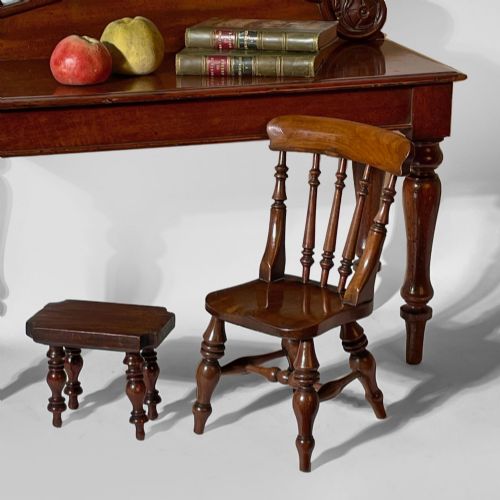
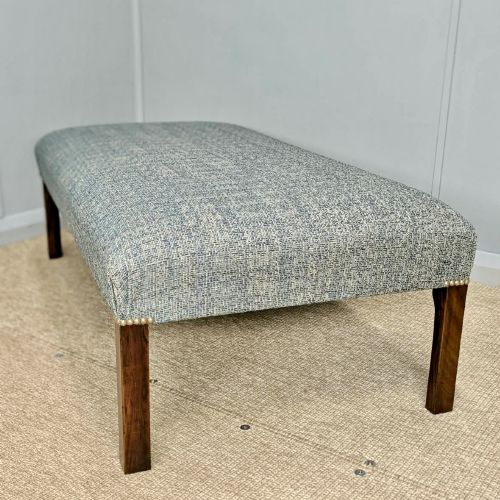
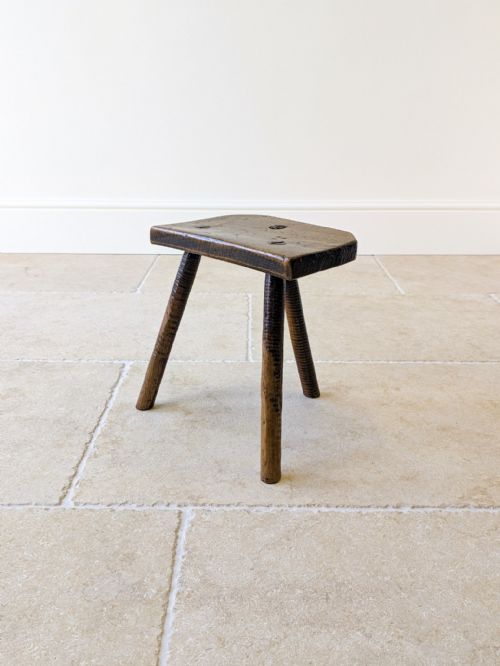
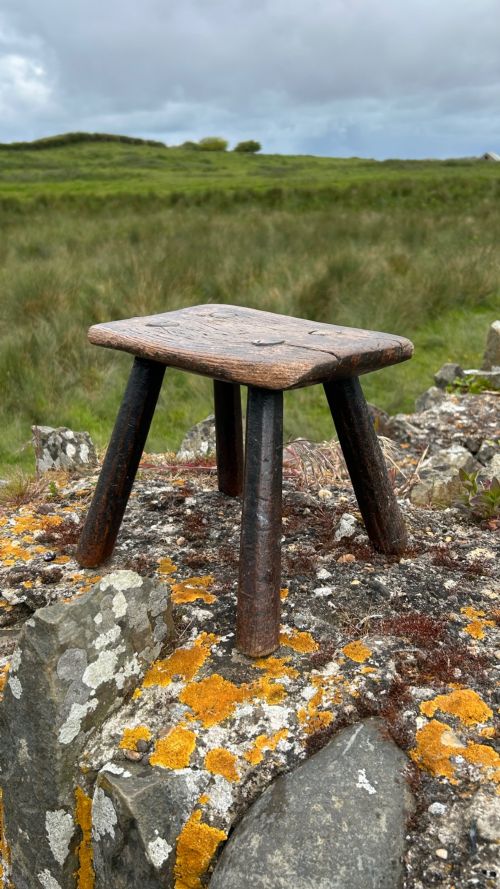

Country Wood Stool
A country wood stool brings honest grain and unpretentious character straight to an interior.
Country Wood Stool
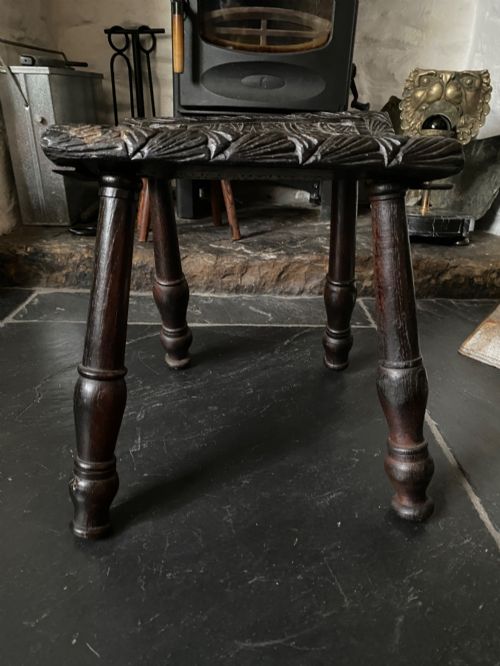
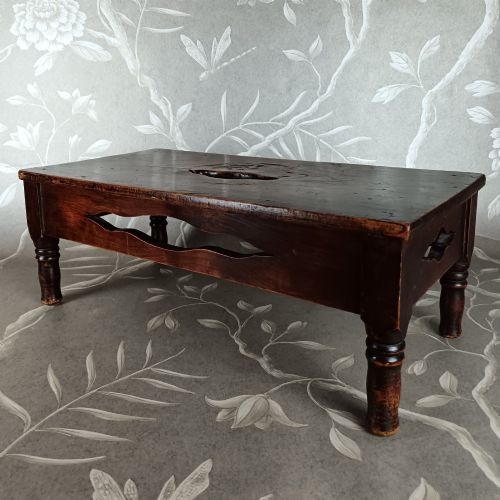
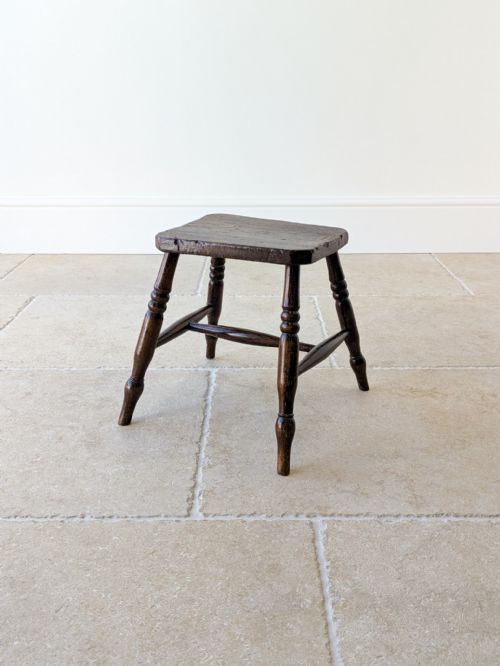
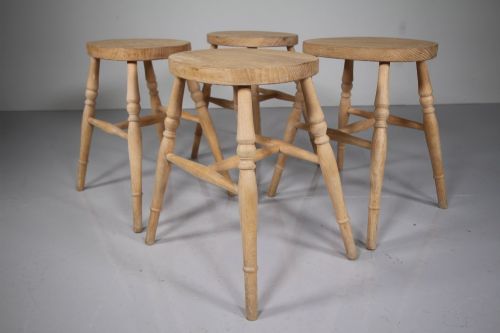
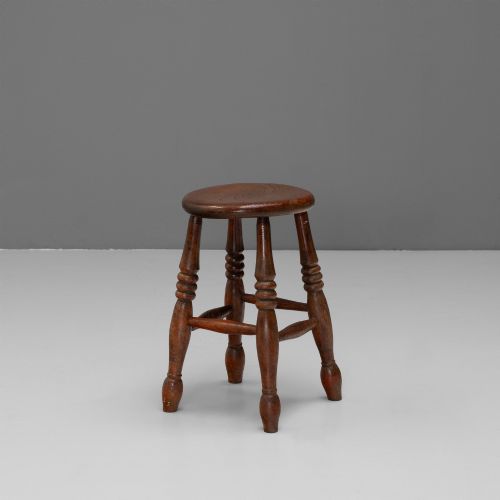
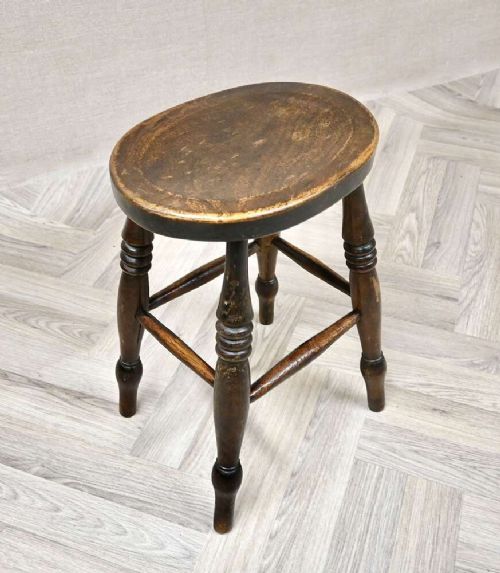
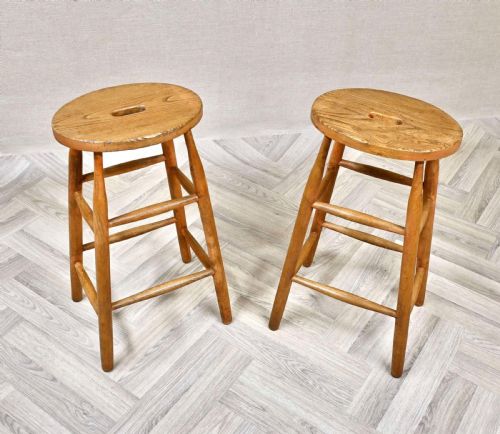
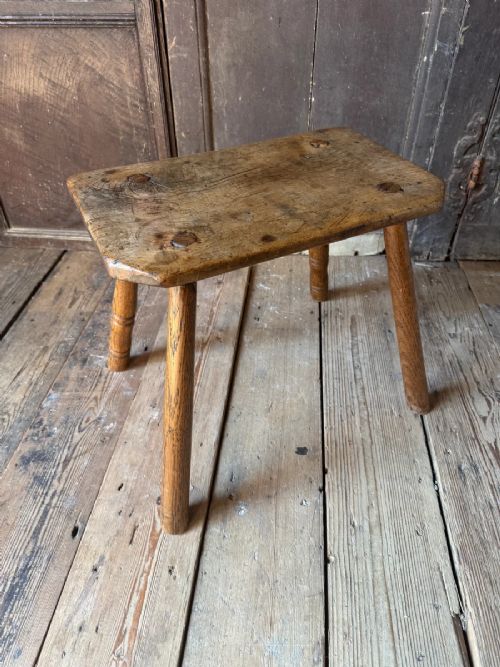
A country wood stool serves as a functional, unpretentious seat shaped by domestic or workshop use across rural provinces. When searching for a country wood stool, a buyer encounters forms ranging from low milking variants to tall tavern seats and solid Windsor designs.
The pieces on this page span the eighteenth, nineteenth, and early twentieth centuries, drawing on English, French, Swedish, and wider European vernacular traditions. Makers built these objects for daily utility rather than formal display, resulting in honest structural forms.
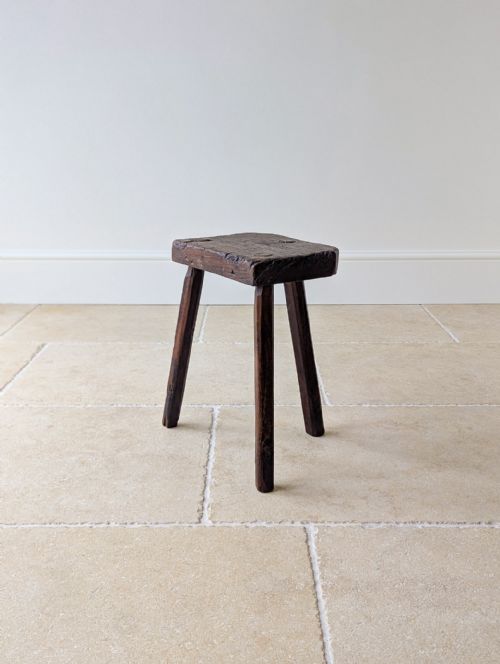
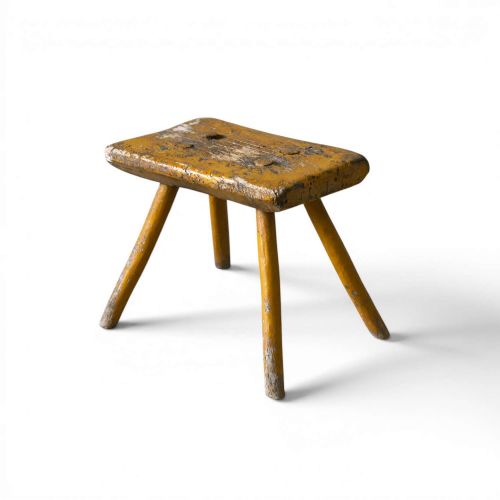
Sturdy three-legged and four-legged formats dominate the selection, often featuring dished seats carved for comfort. Simple side tables, chopping blocks, and footstools also appear alongside primary seating forms.
Materials and construction
Craftsmen utilised dense native timbers such as elm, ash, beech, and oak, selecting woods that could withstand heavy daily wear. Seats were frequently carved from a single thick slab of elm or sycamore, while legs were turned or shaped from complementary hardwoods.
Joinery relied on traditional methods like pegged construction and wedged tenons, where legs pierced straight through the seat top for maximum strength. Surviving pieces often retain traces of original paint finishes, patinated wax, or honest tool marks left by provincial turners.
Country Wood Stool Retail Price Guide 2026
Typical asking prices for country wood stool among the pieces listed under this phrase on Sellingantiques today, from the lower quarter to the upper quarter. They describe what is for sale here now, not the wider market.
The listings span the eighteenth to the twentieth centuries, featuring native European hardwoods including elm, ash, beech, oak, and sycamore.
Assessing quality and character
The distinction between ordinary utility items and exceptional pieces rests in the depth of the patina and the integrity of the surface. A rich, untouched skin developed through decades of service elevates a simple seat far above a stripped or overly restored equivalent.
Proportion and stance dictate visual appeal, particularly in three-legged variants where splay and balance are critical. The presence of original paint, such as early ochre or muted tones, adds considerable interest to primitive French and Eastern European examples.
The Country Wood Stool Glossary
- Vernacular
- Artefacts created by local craftsmen using traditional regional methods rather than high-style academic designs. These pieces reflect the immediate needs and available materials of their specific locality.
- Dished seat
- A wooden seat surface hollowed out into a shallow concave depression for comfort. This technique prevents sliding and distributes weight evenly.
- Joint stool
- A sturdy wooden seat put together with tight mortise and tenon joints, pegged securely into place. They served as primary seating before chairs became common household items.
- Milking stool
- A low, typically three-legged seat designed for stability on uneven farm floors while milking livestock. Their simple construction makes them versatile modern accent pieces.
- Patina
- The deep surface sheen and rich colour acquired by wood through years of handling, polishing, and natural ageing. It serves as a visual indicator of genuine age.
Country Wood Stool: Frequently Asked Questions
How do I use a country wood stool at home?
These compact seats slip easily beside a fireplace, beneath a hallway console, or beside a bathtub as a sturdy surface for books and towels. Their modest footprint makes them versatile additions to both traditional and contemporary interiors.
Larger bar variants or tall tavern seats suit kitchen islands and breakfast bars, bringing warmth and natural grain to functional spaces. Tighter low stools work well as impromptu footrests or standalone decorative accents.
How can I tell the age of an old wooden stool?
Age reveals itself through tool marks, construction methods, and the natural wear patterns accumulated over generations of use. Hand-dug seat depressions and pegged joints often point towards nineteenth-century or earlier vernacular production.
Examine the underside and the grain around the leg joints for signs of shrinkage and hand-turned irregularities. Machine-cut components and uniform symmetry usually indicate later twentieth-century manufacture.
Are these old stools sturdy enough for everyday sitting?
Most surviving examples were built for demanding manual environments like farms, workshops, and taverns, meaning they remain remarkably robust. Solid hardwood construction ensures they easily handle daily domestic weight.
Periodic checks of the wedged legs and pegged tenons help maintain structural stability over decades of use. Gentle waxing keeps the timber conditioned without softening the aged surface.
What is the difference between English and continental pieces?
English country seating frequently relies on elm seats combined with ash or beech turned legs, reflecting local Windsor and vernacular traditions. These pieces often display restrained lines and deep wax patinas.
Continental examples from France or Sweden often incorporate fruitwoods, beech, or pine, sometimes featuring surviving layers of historic paint. Their proportions and turning styles reflect distinct regional woodworking habits across European provinces.