





Country Wall Cupboard
A country wall cupboard offers compact, practical storage rooted in provincial vernacular traditions, prized for authentic timber patination and straightforward utility.
Country Wall Cupboard
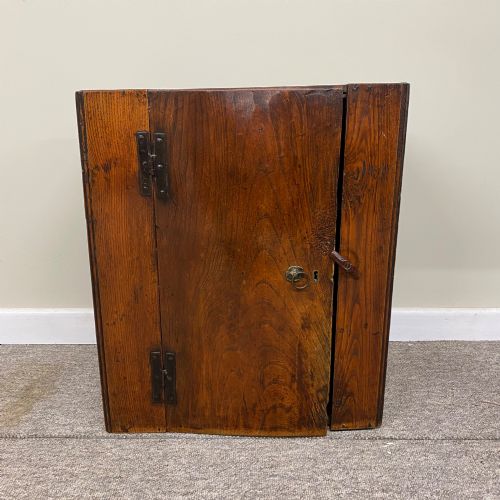
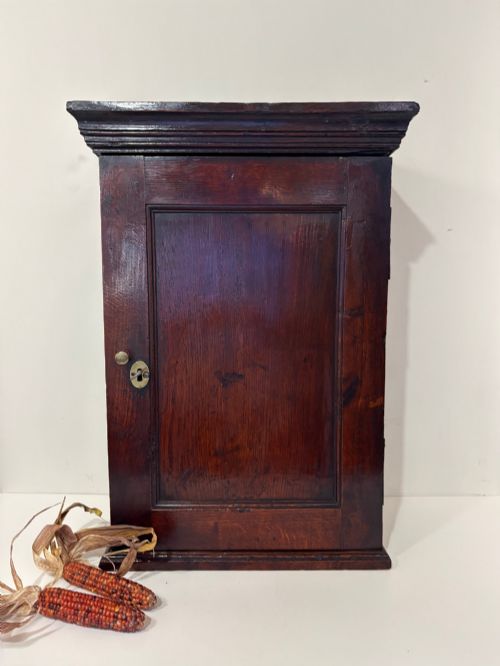
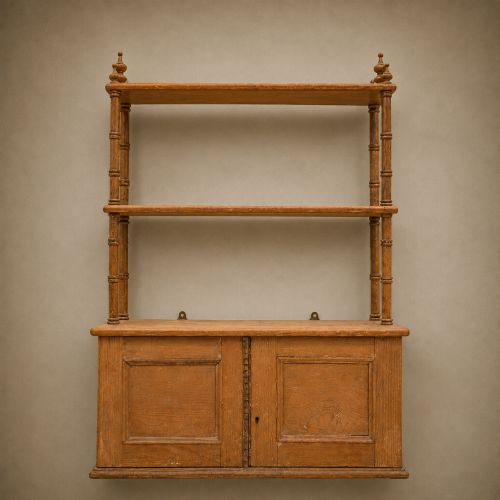
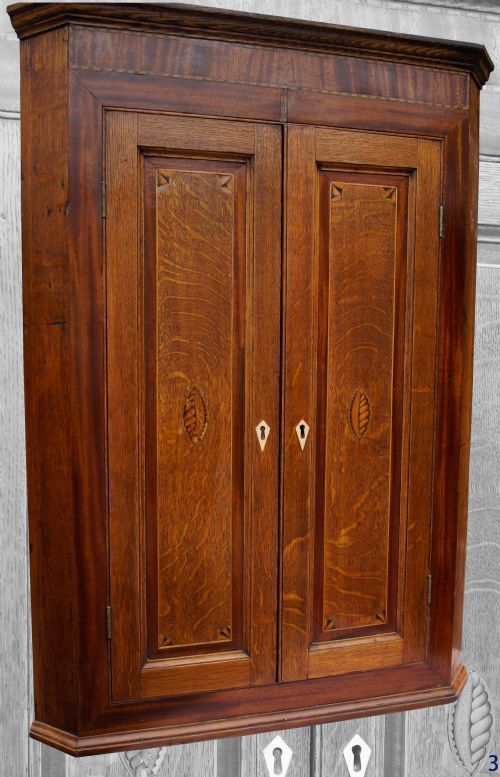
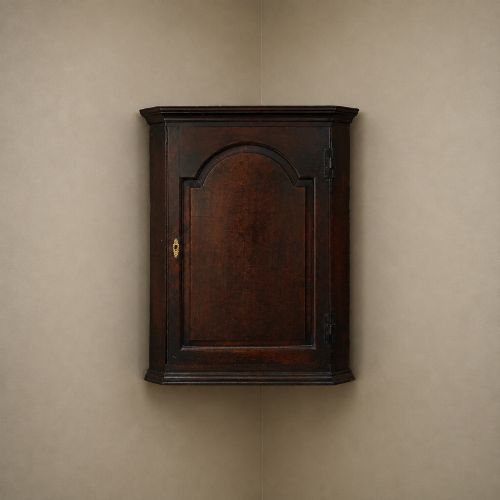
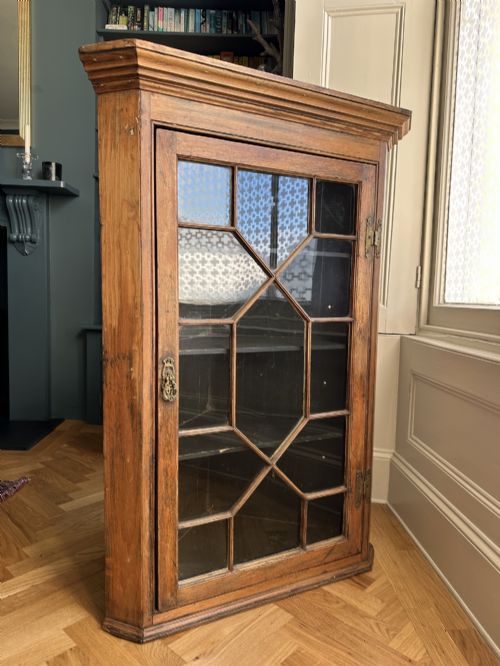
A country wall cupboard encompasses hanging cabinets, spice chests, and corner units designed to maximise domestic space in domestic interiors. These pieces emerge primarily from regional workshops across Britain, France, and Scandinavia during the seventeenth, eighteenth, and nineteenth centuries. The listings frequently present oak corner cupboards and pine wall cabinets intended for daily household storage.
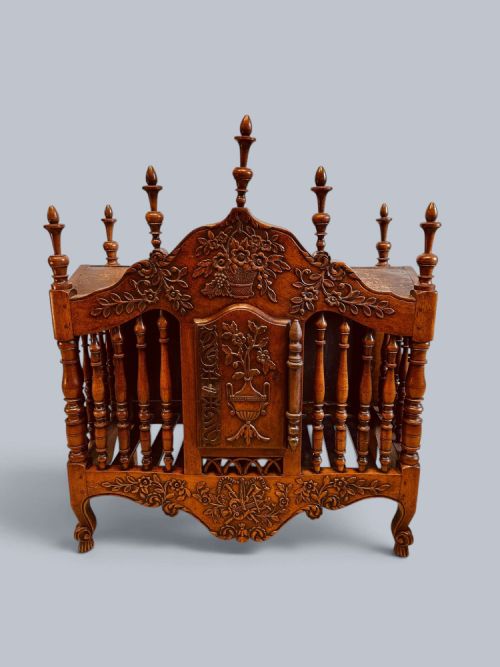
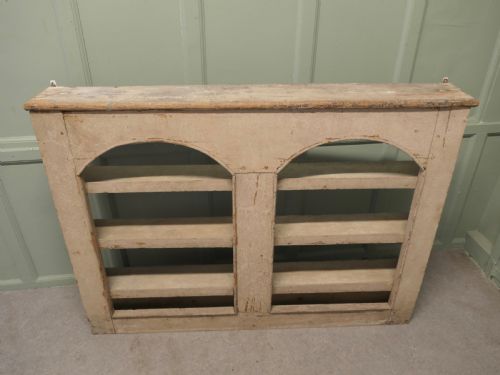
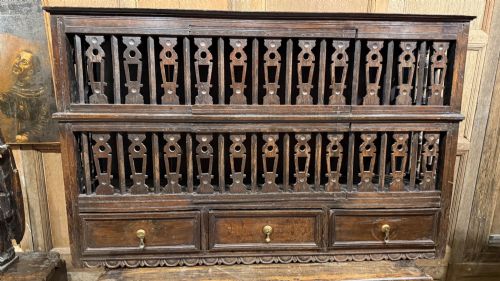
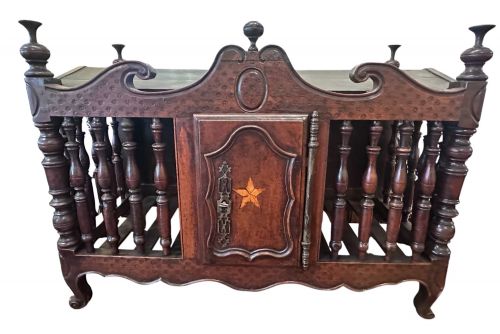
Makers working within Georgian, provincial French, and rustic farmhouse traditions constructed these items to hang securely upon walls or rest upon surfaces. Early examples include spice cabinets, food cupboards, and bread cages designed to protect provisions from pests while keeping staples within reach. The form prioritises efficient dimensions and sturdy wall-mounting capabilities over formal urban pretensions.
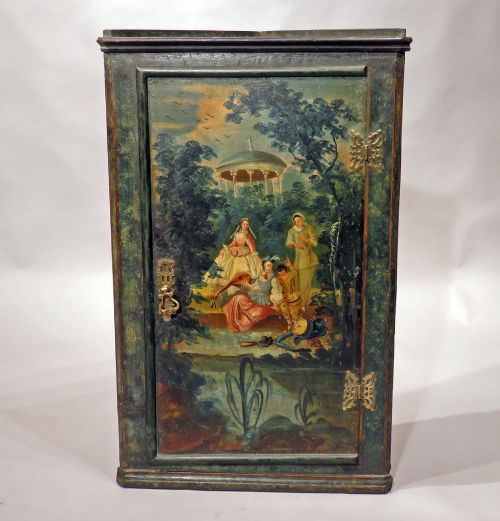
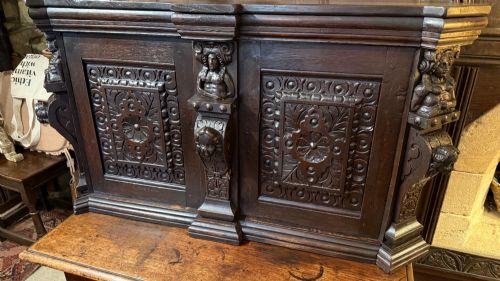
Buyers encounter numerous variations ranging from simple unpainted pine to heavily carved oak and painted Scandinavian folk art surfaces. Corner cupboards dominate the selection, engineered specifically to utilise awkward angles in period rooms. These utilitarian items bridge the gap between architectural joinery and moveable furniture.
Distinctions in Quality
Quality rests upon the integrity of the original construction, the depth of timber patination, and the survival of untouched surfaces. Pieces retaining their original paint schemes, historic brass hardware, and interior fittings command greater interest among collectors. Altered door configurations or replaced hinges diminish the historical coherence of the piece.
The refinement of regional joinery distinguishes standard utility items from exceptional vernacular commissions. Carved ornamentation, crossbanded mahogany details, and sophisticated internal configurations reflect greater maker ambition. Structural honesty, where boards remain unwarped and original backs intact, dictates the long-term viability of each cabinet.
Country Wall Cupboard Retail Price Guide 2026
Typical asking prices for country wall cupboard among the pieces listed under this phrase on Sellingantiques today, from the lower quarter to the upper quarter. They describe what is for sale here now, not the wider market.
Regional styles represented include English country, French provincial, and Scandinavian folk art traditions.
The Country Wall Cupboard Glossary
- Crossbanding
- A decorative border technique where veneer strips are laid perpendicular to the grain of the primary surface. This appears on finer Georgian cabinets.
- Panetiere
- A traditional French food cupboard or bread cage ventilated by turned spindles to keep loaves fresh. These pieces originate primarily in eighteenth-century provincial workshops.
- Patina
- The surface sheen and colour acquired by wood through age, handling, and waxing over decades. Collectors value an undisturbed, deep patina.
- Escutcheon
- A protective plate surrounding a keyhole, usually fashioned from brass or iron. They secure the surrounding wood from wear caused by the key.
- Cornice
- The moulded projection that crowns the top of a cabinet or cupboard. It provides a finished architectural transition to the wall.
Country Wall Cupboard: Frequently Asked Questions
How were country wall cupboards used originally?
These cabinets served multiple domestic functions, housing valuable spices, daily foodstuffs, linens, and tableware within easy reach of the hearth or kitchen workspace. Specialised forms like bread cages kept provisions ventilated and protected from household pests.
Their elevated wall-mounted design preserved precious floor space in modest homes while keeping contents secure from damp stone floors and children.
How do I hang an antique wall cupboard safely?
Historic cupboards often feature original hanging brackets, strap hinges, or reinforced backboards designed for attachment to sturdy wall studs or masonry anchors. Weight distribution requires professional assessment due to the heavy dense timber used in early oak and fruitwood construction.
Modern fixings must accommodate the specific load and leverage exerted by a loaded cabinet hanging above floor level.
How do I distinguish eighteenth-century oak from later pine?
Eighteenth-century oak exhibits distinct medullary rays, a heavy weight, and a dark rich patinated surface developed through centuries of exposure. Pine presents a softer, lighter grain structure with paler tones, frequently associated with nineteenth-century provincial work or painted Scandinavian pieces.
Tool marks also differ, with early pieces showing evidence of pit-sawing and hand planing compared to later mechanised preparation.
Should I strip painted finishes off old pine?
Original or early decorative paint schemes, particularly on Scandinavian and French provincial pieces, carry immense historical and aesthetic value. Removing historic pigment destroys the authentic character and narrative of the cabinet.
Stripping should be reserved exclusively for layers of unsympathetic modern paint that obscure the underlying timber and mouldings.