

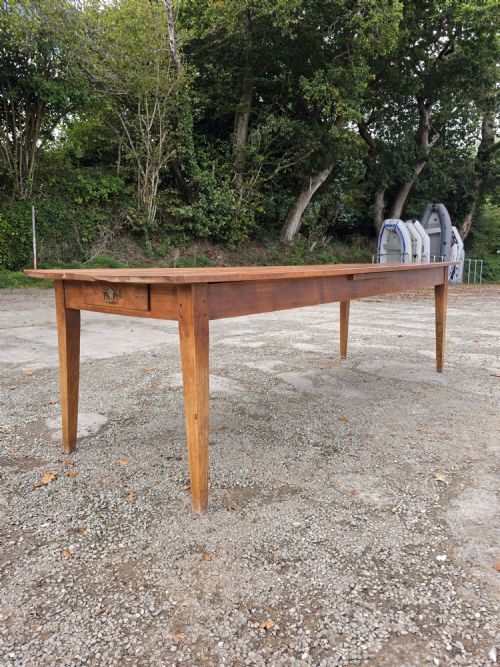
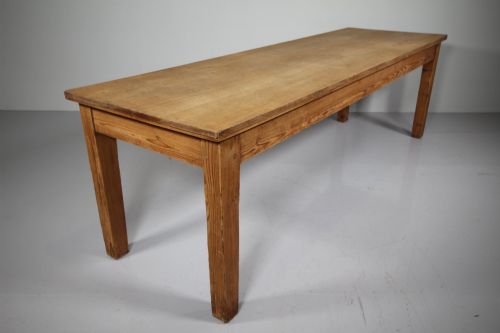
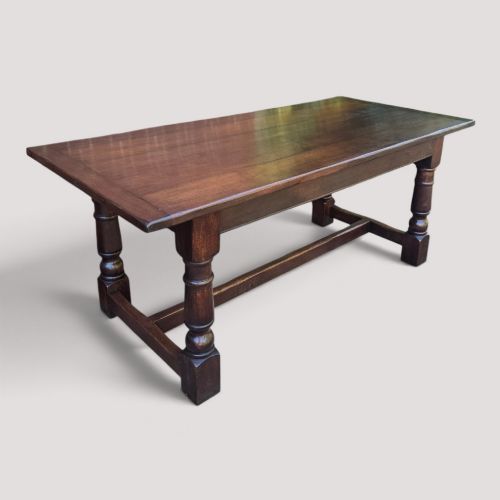
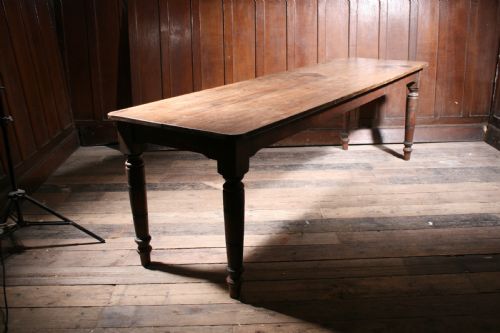
Country Plank Top Table
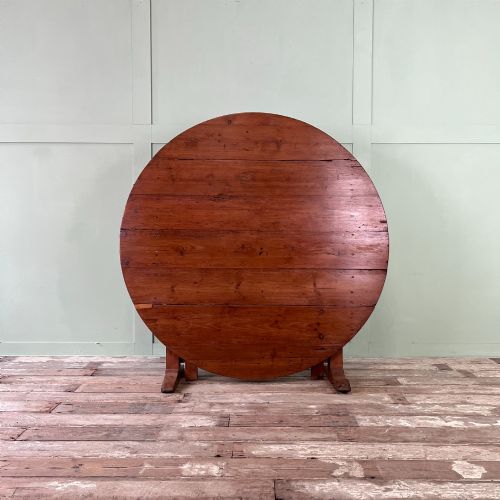
A country plank top table brings centuries of domestic utility and honest timber grain straight into the modern dining room.
Country Plank Top Table
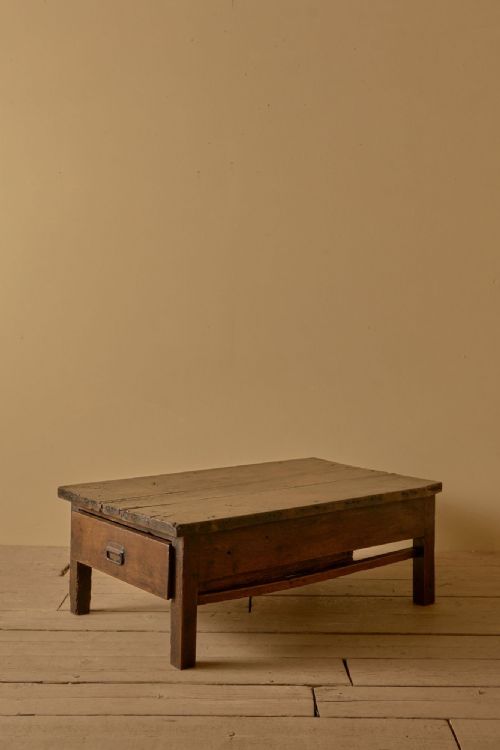
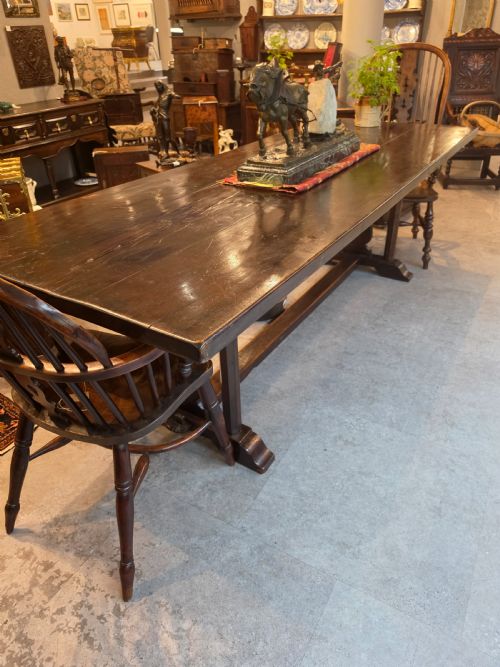
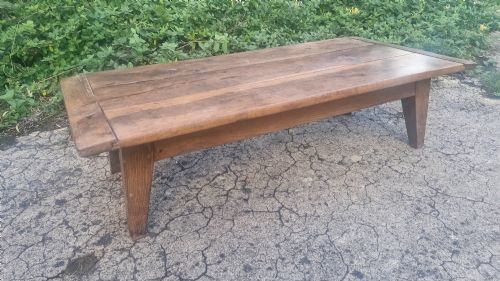
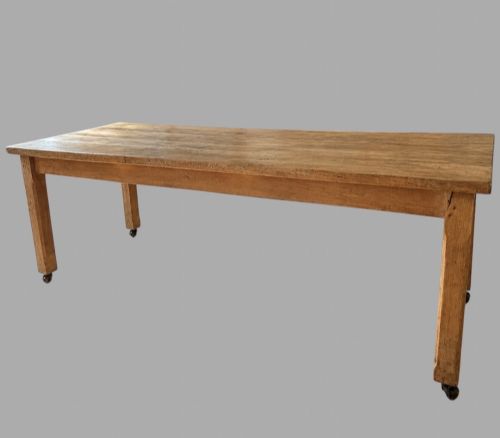
When you search for a country plank top table, you look for heavy wooden boards joined to form a functional surface for domestic work and dining. These pieces emerge primarily from the eighteenth and nineteenth centuries, spanning Georgian, Victorian, and rustic provincial styles.
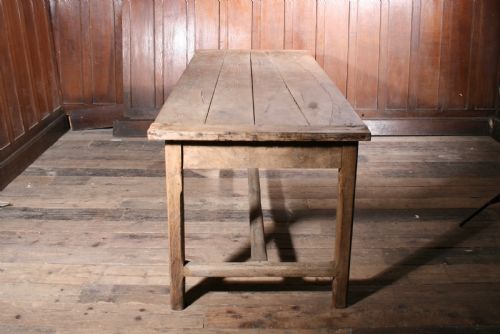
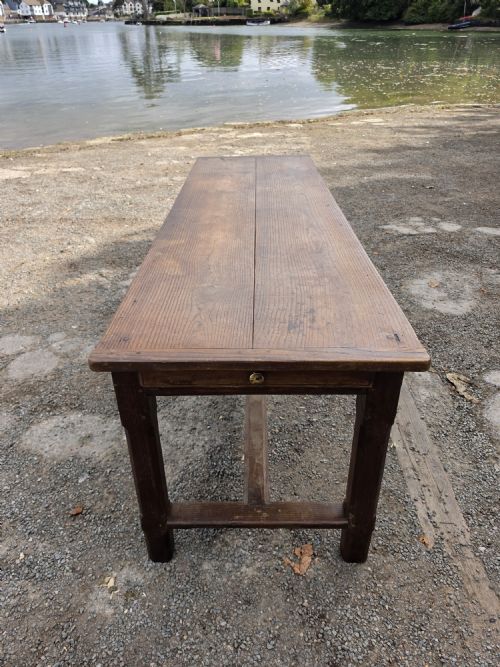
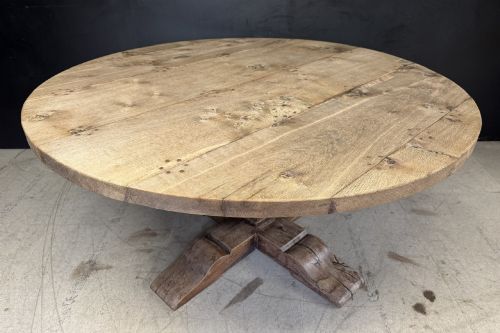
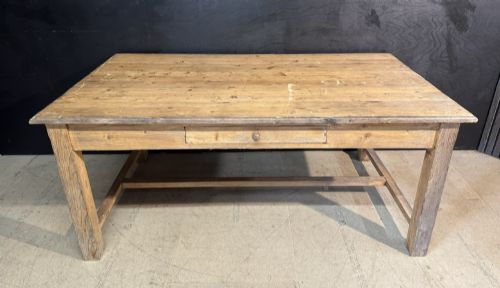
You will encounter pieces defined by structural simplicity, often featuring thick elm, oak, or pine boards resting on sturdy timber underframes. Their daily use in kitchens and farmhouses leaves tangible traces of a working past on every surface.
How they were made
Carpenters built these tables using solid domestic hardwoods and softwoods like oak, elm, fruitwood, poplar, and pine, selected for local availability and strength. Planks were joined edge-to-edge, sometimes secured with wooden pegs or simple iron and brass fittings.
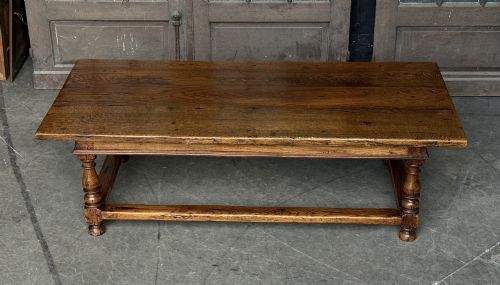
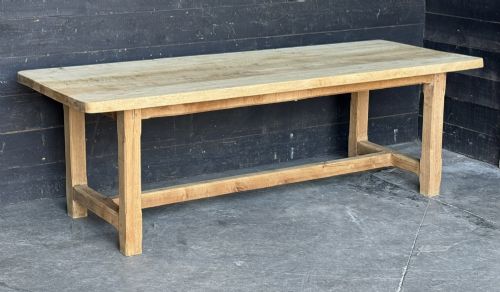
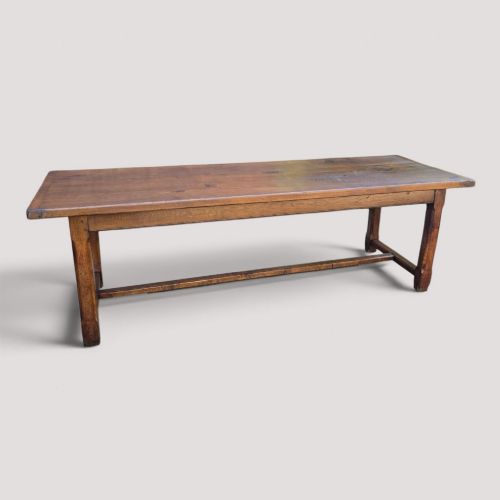
Undercarriages relied on straightforward joinery, combining heavy legs with robust stretchers to support the weight of thick timber tops. Surfaces were left natural or simply planed by hand, developing depth and character through decades of use.
Country Plank Top Table Retail Price Guide 2026
Typical asking prices for country plank top table among the pieces listed under this phrase on Sellingantiques today, from the lower quarter to the upper quarter. They describe what is for sale here now, not the wider market.
Listings feature pieces spanning the seventeenth, eighteenth, and nineteenth centuries, constructed from oak, pine, fruitwood, elm, and poplar.
What varies in quality
Quality rests in the integrity of the timber selection, from single-board tops down to well-matched twin planks. The weight and grain density of oak, elm, or fruitwood dictate the tactile presence of the table.
Proportion and construction solidity set finer examples apart from simpler utility pieces. Well-balanced framing and untouched patination elevate a simple farmhouse surface into a commanding focal point.
The Country Plank Top Table Glossary
- Plank top
- A table surface constructed from wide boards joined side by side rather than multiple narrow strips. This construction method defines the rustic character of early country tables.
- Refectory table
- A long, narrow dining table traditionally used for communal meals in large halls or farmhouses. These pieces usually include structural stretchers running low between the legs for added stability.
- Farmhouse table
- A sturdy utilitarian table designed for kitchen preparation and family dining. They typically display robust timber construction and generous proportions suited to daily domestic life.
- Patina
- The surface sheen and colour acquired by wood through age, handling, and beeswax application. This gradual change reveals the history of use across centuries.
- Stretcher
- A horizontal wooden brace connecting the legs of a table to prevent movement. These supports often show wear from resting feet over generations.
Country Plank Top Table: Frequently Asked Questions
How do I clean a plank top table?
Wipe the surface with a damp cloth and mild soap, avoiding harsh chemical sprays that strip the finish. Dry the wood immediately to protect the antique grain.
Apply a traditional beeswax periodically to nourish the dry timber and maintain the natural lustre of the old boards without creating artificial shine.
Are these tables suitable for daily dining?
These robust surfaces were built for heavy domestic use, making them exceptionally durable for modern family meals. Their solid construction handles daily wear with ease.
Use placemats and coasters to protect the historic wood from extreme heat and moisture rings while enjoying the table as the centrepiece of the room.
What chairs work best with these tables?
Pair these tables with ladder-back chairs, simple spindle backs, or mismatched country chairs that echo the vernacular aesthetic. The key is matching the honest materiality of the wood.
Avoid overly ornate modern seating that clashes with the rustic simplicity of the timber frame and the centuries of history present in the top.