




Country Pine Wall Cupboard
A country pine wall cupboard brings practical storage and rustic charm to a room, offering simple craftsmanship that suits modern and traditional interiors alike.
Country Pine Wall Cupboard
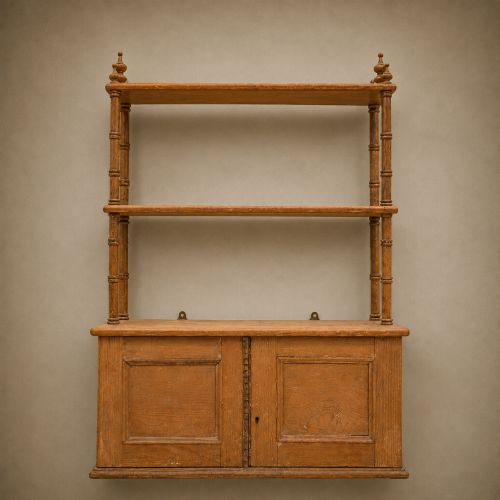
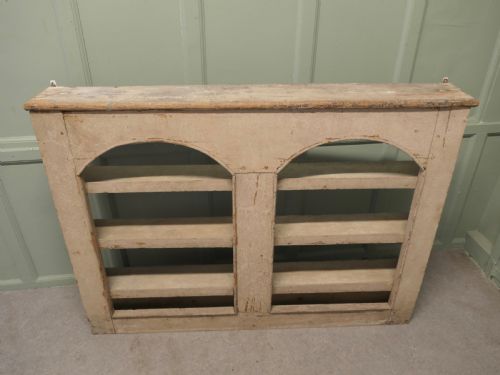
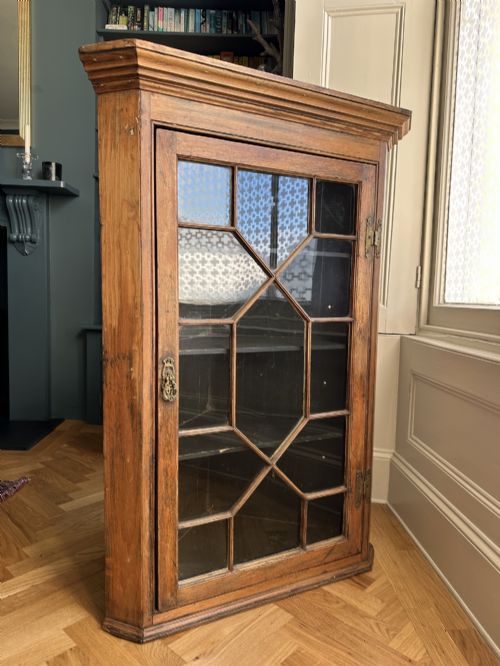
A country pine wall cupboard is a hanging or corner storage unit made primarily of softwood timber, designed to save floor space while keeping everyday items close at hand. These pieces range from simple wall-hanging cabinets to corner units and shelved alcove cupboards.
The version a buyer is most likely to encounter on this page originates from the nineteenth century, often reflecting regional traditions such as Scandinavian folk art or Georgian utility. They appear in forms that include glazed doors, open wall shelves, and painted finishes.
Makers utilised local timbers to build functional storage for kitchens, parlours, and farmhouses, resulting in objects that vary from plain rustic farmhouse styles to decorative Swedish painted pieces.
How they were made
Construction relies heavily on solid pine timbers, joined with traditional carpentry methods to build sturdy frames for daily use. Workshops frequently added hardware cast from iron or brass to secure doors and support hanging mechanisms.
Surfaces were often treated with distemper paint or left as plain wood, while some examples feature later painted sign writing or original painted interiors. Glazed glass panels appear in doors where contents were intended to be displayed rather than concealed.
Country Pine Wall Cupboard Retail Price Guide 2026
Typical asking prices for country pine wall cupboard among the pieces listed under this phrase on Sellingantiques today, from the lower quarter to the upper quarter. They describe what is for sale here now, not the wider market.
Materials recorded across the inventory include pine, iron, brass, paint, glass, metal, and distemper paint.
What varies in quality
Quality in a country pine wall cupboard is determined by the integrity of the original timber and the retention of early or original painted surfaces. Pieces with undisturbed distemper paint or authentic Swedish folk art decoration stand apart from heavily altered or later stripped examples.
Structural refinement also separates standard utilitarian boxes from finer regional pieces, observable in the joinery of corner cabinets and the proportion of bow fronts or glazed doors. The survival of original iron and brass hardware adds a layer of authenticity that elevates a piece.
The Country Pine Wall Cupboard Glossary
- Distemper paint
- A water-based paint using a binder such as size or glue, frequently found on early pine furniture. This finish produces a matte appearance that chalks slightly with age.
- Bow front
- A convex, curved front profile on a cabinet or corner cupboard. This shape softens the corners of a room and requires advanced woodworking skill to construct.
- Alcove shelving
- Fitted shelving units designed to sit within a structural wall recess. These provide integrated storage that maximises awkward architectural spaces.
- Glazed door
- A door fitted with glass panes to display the interior contents. In older cupboards, these panes are often held in place by wooden glazing bars.
- Folk art
- Decorative design and craftsmanship rooted in regional culture and tradition rather than academic fine art. Scandinavian examples often feature distinctive hand-painted motifs.
Country Pine Wall Cupboard: Frequently Asked Questions
How do I hang a heavy pine wall cupboard safely?
These cupboards require secure attachment directly into wall studs or masonry using appropriate fixings rated for the weight of the timber and its contents. Hanging brackets or internal fixing points must be checked for stability before loading the shelves.
Because nineteenth-century pine is heavy, professional installation ensures the piece remains secure against the wall without straining the historical joints.
What is the difference between a corner cupboard and a standard wall cabinet?
A corner cupboard is specifically built with a triangular footprint designed to fit snugly into the ninety-degree angle of a room. This utilises dead space efficiently while providing deep interior storage.
Standard wall cabinets feature flat backs meant for hanging on a single straight wall surface, offering a shallower profile that projects less into the room.
How should I clean an antique painted pine cupboard?
Painted surfaces require gentle dusting with a dry, soft cloth to prevent abrasion to historical distemper or folk art finishes. Moisture and modern chemical cleaners should be avoided as they lift fragile nineteenth-century paint.
Preserving the dry, matte texture of early paint maintains the visual character and historical integrity of the cabinet.
Can I use a kitchen wall cupboard in a bathroom?
Pine wall cupboards can serve in various rooms, but bathrooms present challenges with high humidity and moisture fluctuations. Excess steam causes softwood to expand and contracts painted finishes, risking flaking or warping.
Placing the cupboard away from direct water sources and ensuring adequate ventilation helps protect the antique timber.