



Country Oak Tea Table
A country oak tea table brings honest vernacular warmth into a room, offering sturdy utility shaped by centuries of domestic life.
Country Oak Tea Table
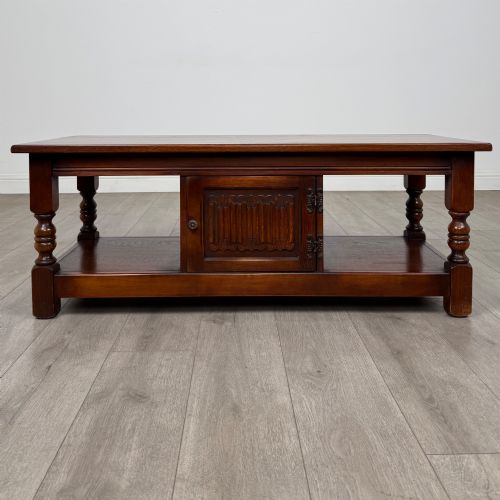
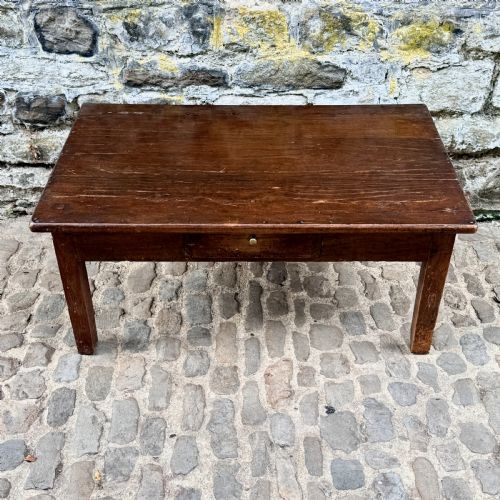
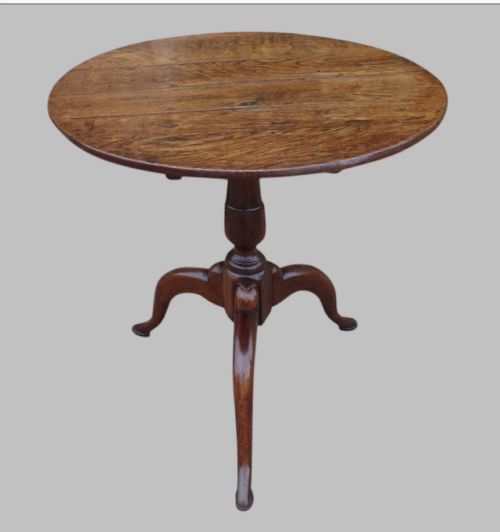
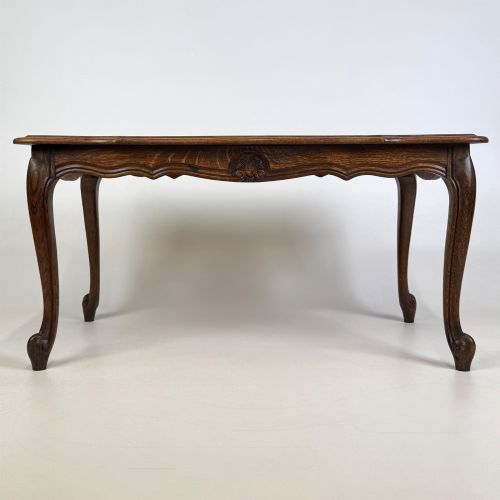
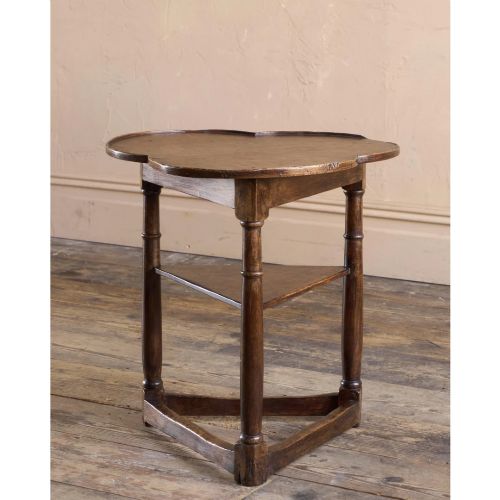
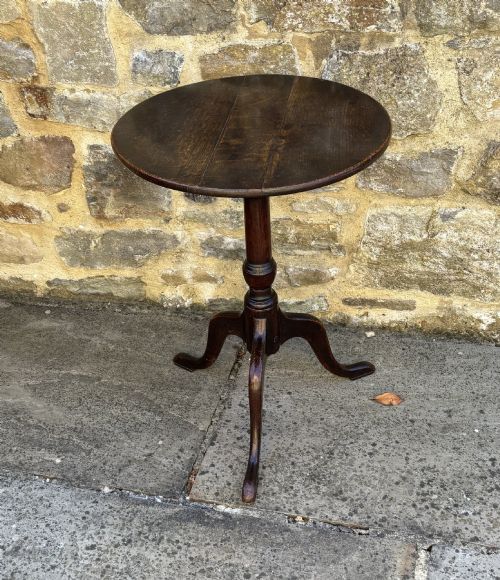
When you search for a country oak tea table, you encounter robust domestic furniture originating primarily from the eighteenth and nineteenth centuries. These pieces appear most frequently in tripod forms, side tables, and low occasional coffee formats suited to daily use.
Makers working within Georgian, Victorian, and Edwardian periods utilised native timbers to construct practical furniture for parlours and dining spaces. Vernacular designs range from simple circular tripod tops to gate-legged tables and single-drawer side pieces.
English and French country traditions heavily influence the construction, resulting in unpretentious forms that prioritize function over elaborate ornamentation. The survival of these tables demonstrates the enduring appeal of solid timber furniture built for ordinary households.
How they were made
Construction relies heavily on solid oak, frequently combined with chestnut, fruitwood, and elm for secondary elements or contrasting tops. Artisans shaped timber using traditional hand tools, often mounting circular or shaped tops onto turned pedestals and tripod legs.
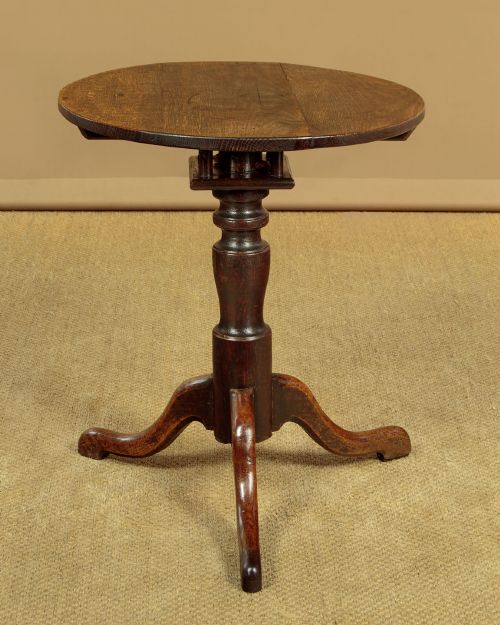
Joinery techniques such as pegged joints, dovetails on drawers, and pivot mechanisms for tilt-top tables ensure structural stability without excessive metal hardware. Simple turned legs and straightforward aprons typify the vernacular approach to building these domestic items.
Listings span periods from the mid eighteenth century through the Edwardian era, featuring oak alongside chestnut, fruitwood, and painted finishes.
What varies in quality
The distinction between ordinary and exceptional examples rests in the proportion of the piece, the figuring of the timber, and the integrity of the original construction. Superior tables display balanced turnings on the column and well-proportioned legs that distribute weight evenly.
Subtleties in the grain of the oak and the patination accumulated over generations elevate certain examples above standard utilitarian items. The retention of original mechanisms, such as tilt-top catches and wooden pivots, marks a higher degree of preservation.
The Country Oak Tea Table Glossary
- Tripod table
- A small freestanding table supported by a central pillar above three legs. This form gained immense popularity during the eighteenth century for serving tea or holding small objects.
- Tilt-top table
- A table designed with a mechanism allowing the surface to swivel and fold vertical when not in use. This clever space-saving feature enabled tables to stand flat against walls in smaller rooms.
- Cricket table
- A small, light three-legged table typically featuring a round wooden top and stretched legs. The design derives from early vernacular English domestic furniture.
- Vernacular furniture
- Everyday objects made by local cabinet makers and country joiners rather than urban workshops. These pieces reflect regional materials and traditional local building methods.
- Gate-legged table
- A drop-leaf table where hinged legs swing outward like a gate to support the raised leaves. This construction allows a compact surface to expand significantly for dining or social gatherings.
Country Oak Tea Table: Frequently Asked Questions
What is a country oak tea table used for?
These pieces function primarily as versatile occasional surfaces in living spaces, ideal for holding drinks, books, or lamps.
Historically, similar tables served communal household needs in parlours and sitting rooms before evolving into decorative interior accents today.
How do I date an antique oak table?
Dating relies on observing construction methods, joinery types, timber selection, and the wear patterns accumulated on the wood over generations.
Changes in leg turning styles and fastening mechanisms across the eighteenth and nineteenth centuries also provide reliable chronological markers.
Are these tables solid oak?
Most examples utilise solid oak for primary surfaces and structures, occasionally incorporating secondary timbers like fruitwood or chestnut.
Vernacular makers selected local hardwoods for durability, ensuring the tables could withstand decades of heavy domestic use.
How do I care for antique oak furniture?
Maintaining these surfaces requires avoiding excessive moisture and direct heat sources that can dry out aged timber.
Occasional applications of appropriate natural wax help nourish the wood and preserve the historic patinated finish.