




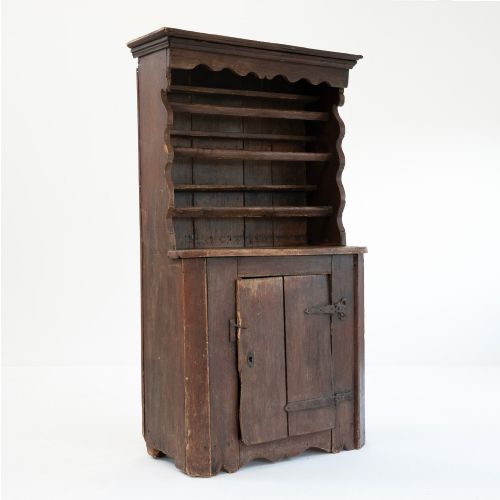
Country Kitchen Shelf
A country kitchen shelf provides practical open storage while anchoring the rustic character of a traditional domestic space.
Country Kitchen Shelf
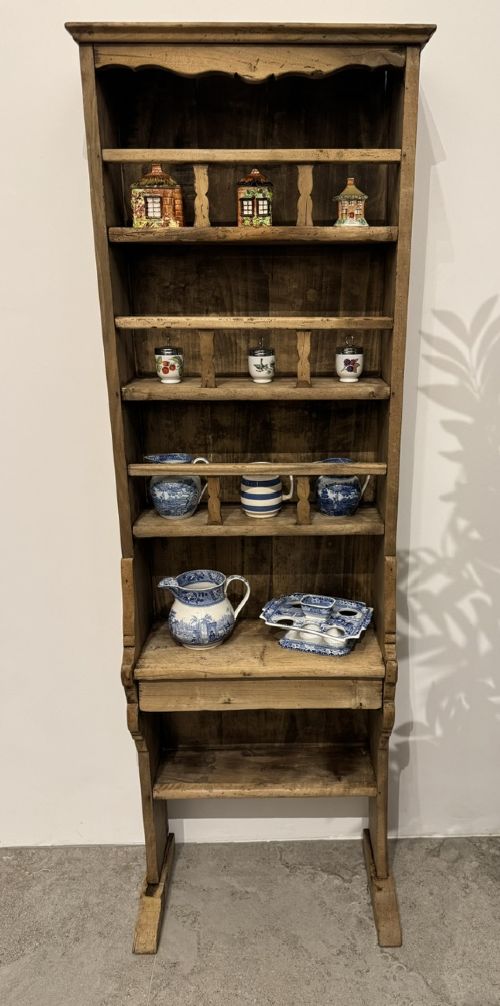
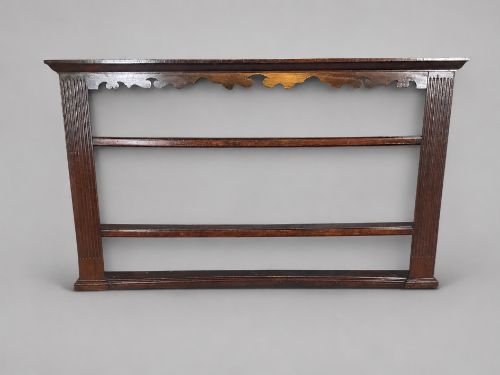
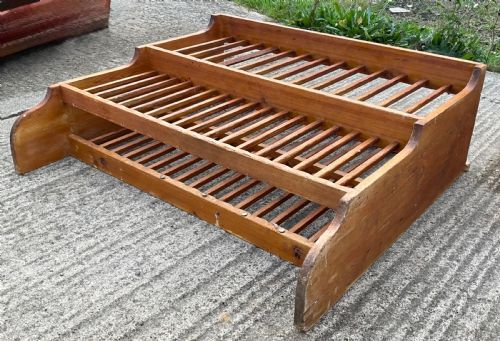
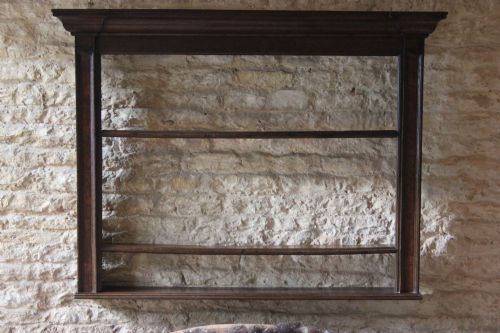
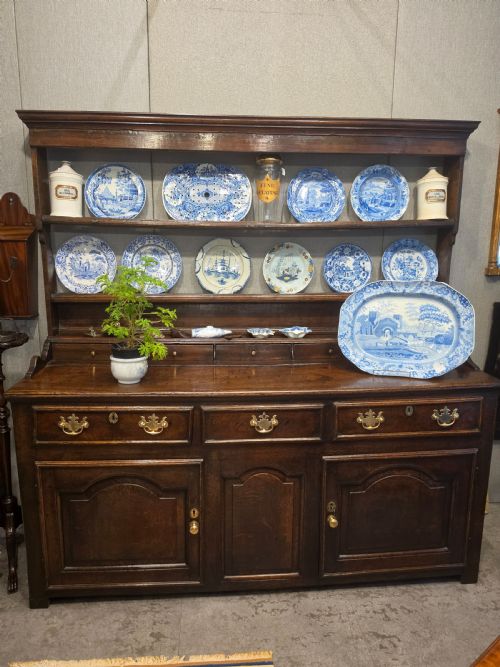
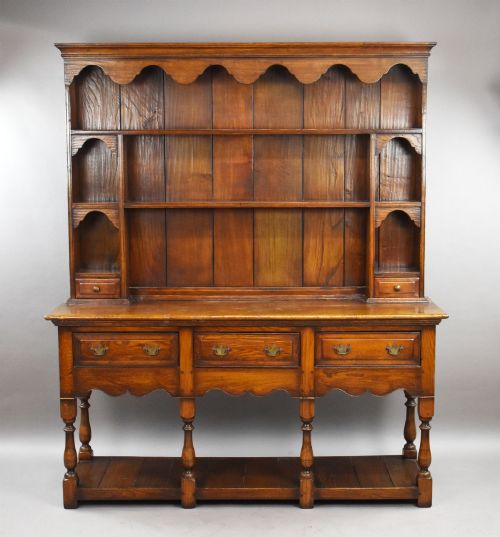
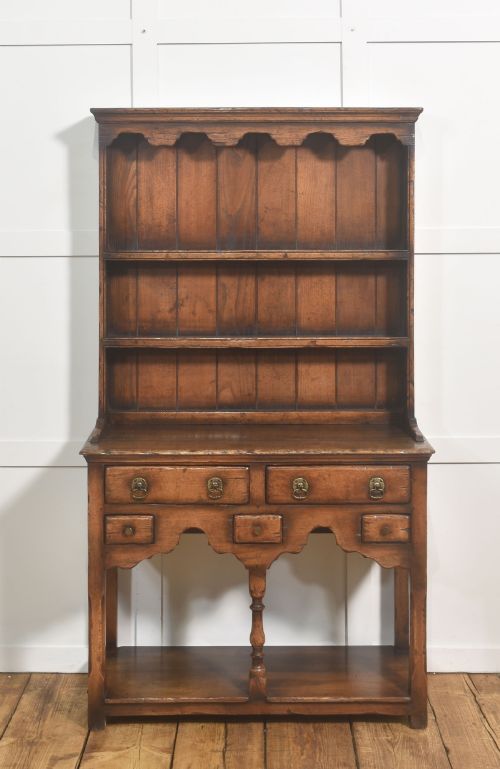
A country kitchen shelf encompasses both wall-mounted plate racks and the upper shelving tiers integrated into large oak and pine dressers. These pieces originate primarily from Georgian, Victorian, and Edwardian periods, reflecting domestic storage needs across English, Scottish, Welsh, and French rural settings.
The versions most frequently met on this page include wall-hanging oak plate racks and two-part Welsh dressers featuring open shelving above a base cabinet or potboard. These utilitarian items were designed to display pewter, ceramic plates, and everyday kitchen wares within easy reach of the hearth.
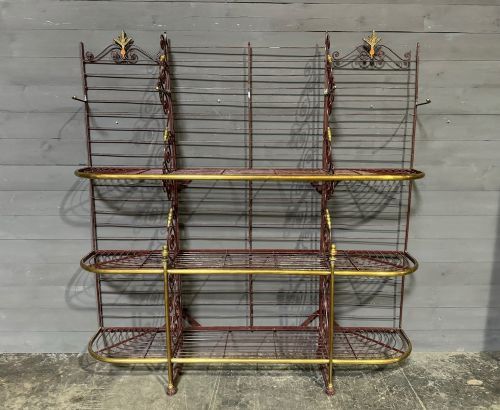
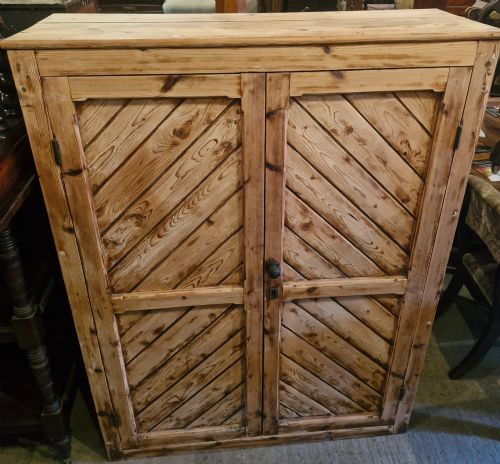
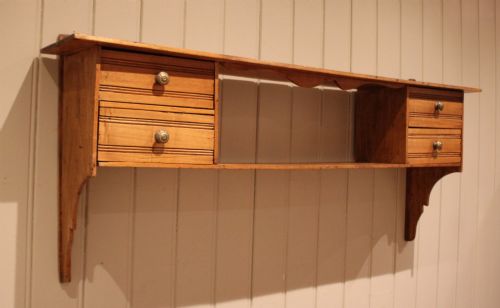
Regional variations span from simple English pine wall shelves with cupboards to substantial French baker racks forged from wrought iron. Each form demonstrates how rural households adapted straightforward timber and metal structures for daily culinary organisation.
Materials and construction techniques
Solid timber forms the foundation of these pieces, with native oak and pine appearing most commonly alongside occasional burr walnut and elm. Carpenters joined structural members using traditional pegging and dovetailing methods suited to heavy everyday use in domestic kitchens.
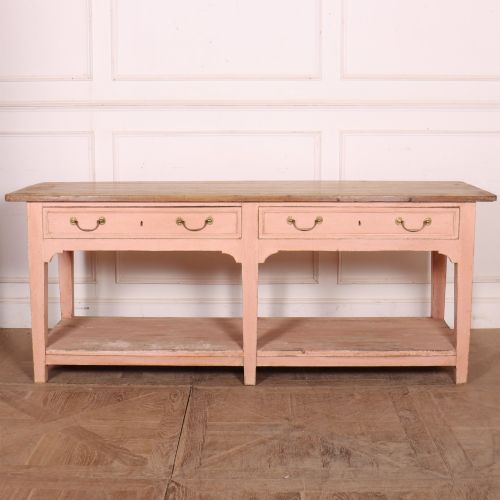
Surface finishes range from bare scrubbed wood to historic layers of paint, such as pieces recorded in specialised heritage colours. Iron and brass hardware, including hinges, hooks, and stamped manufacturer details, provide functional reinforcement and contrast with the timber surfaces.
Country Kitchen Shelf Retail Price Guide 2026
Typical asking prices for country kitchen shelf among the pieces listed under this phrase on Sellingantiques today, from the lower quarter to the upper quarter. They describe what is for sale here now, not the wider market.
Listings feature items spanning the 18th century through the Edwardian era, constructed primarily from oak and pine with occasional wrought iron.
Distinctions in quality and execution
Quality in these domestic furnishings rests upon the integrity of the timber selection and the restraint of subsequent alterations. Pieces retaining their original backing boards, untouched surface patination, and proportional architectural mouldings command greater regard among collectors.
The sophistication of the joinery distinguishes standard regional work from finer vernacular output, particularly where plates grooves and Cornice details remain crisp. Structural survival through centuries of heavy kitchen use ultimately determines the standing of an individual rack or dresser.
The Country Kitchen Shelf Glossary
- Plate rack
- A wall-mounted or dresser-integrated shelving unit featuring grooved plate rails designed to hold ceramic dishes upright securely. These fixtures kept tableware visible and accessible in traditional kitchens.
- Potboard
- An open slatted lower shelf fitted between the legs of a dresser base, traditionally used for storing heavy pots and pans. This lower tier provides structural stability to the entire piece.
- Welsh dresser
- A large two-part kitchen unit comprising a lower base cabinet or drawers surmounted by open display shelving. This form evolved to serve both food preparation and crockery storage functions.
- Baker rack
- A utilitarian metal or iron shelving structure used historically in food production and cooling. These industrial pieces often feature multiple open tiers and stamped workshop marks.
Country Kitchen Shelf: Frequently Asked Questions
How were country kitchen shelves used historically?
These shelves served as the primary storage and display units for everyday ceramic plates, platters, and cooking utensils in rural households. By keeping tableware upright and accessible near the hearth, they facilitated efficient meal preparation.
Over time, the upper racks also accommodated decorative pewter and earthenware, transitioning from pure utility to a focal point for domestic display within the kitchen or dining area.
How do I distinguish between pine and oak pieces?
Oak items generally display a dense grain pattern with distinctive medullary rays and develop a deep, warm honey or dark brown patination over centuries. They are typically heavier and associated with robust regional dresser construction.
Pine pieces tend to be lighter in weight, showing a softer grain structure that frequently bears historic painted finishes or a pale scrubbed surface. Pine was widely utilised for wall-hanging shelves and simpler provincial furniture.
Are these shelves suitable for modern walls?
Wall-hanging shelves require secure fixing into solid masonry or adequate wall studs due to the substantial weight of aged timber and subsequent loading with heavy ceramics. Professional installation ensures the piece supports its intended load safely.
When positioning a wall rack, consider the clearance above work surfaces or sideboards to ensure plates can be lifted in and out of the grooves without obstruction.
How can I date an antique shelf?
Dating relies on observing construction characteristics such as hand-cut dovetails, pegged joints, tool marks, and the type of timber used. Georgian pieces often exhibit fine oak joinery and specific cornice profiles, while Victorian and Edwardian examples may show machine-sawn elements or different secondary woods.
Surface patination and historic paint layers also offer clues to age, though many vernacular pieces underwent alterations or repainting during their working lives.