



Country House Wooden Box
A country house wooden box brings utility and warmth to interiors through centuries of practical estate storage.
Country House Wooden Box
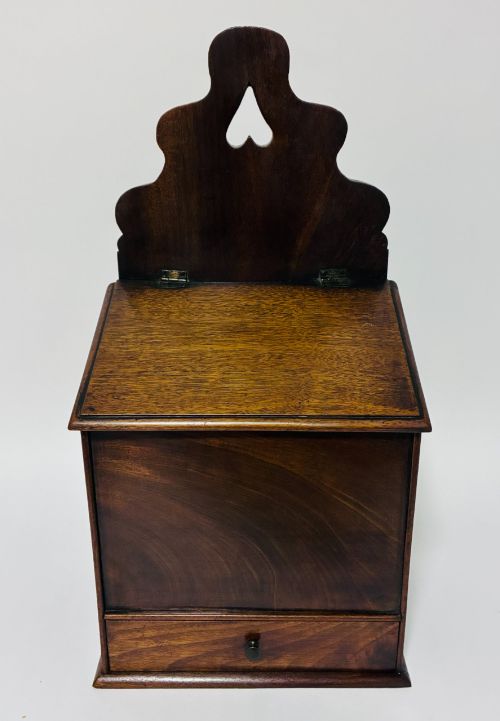
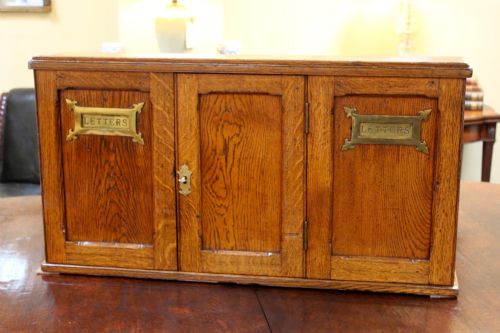
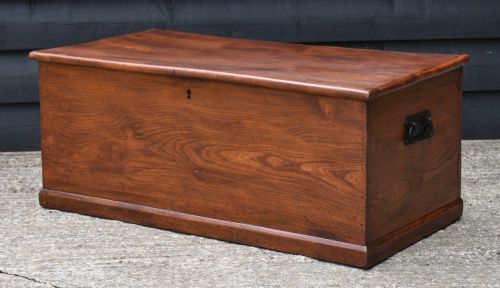
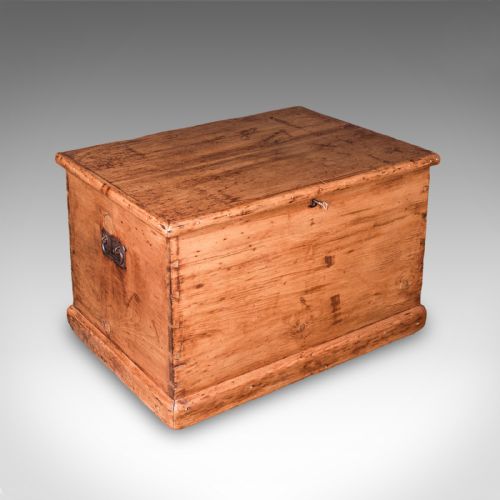
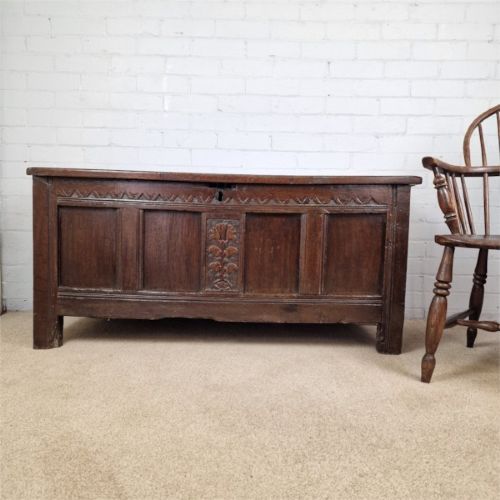
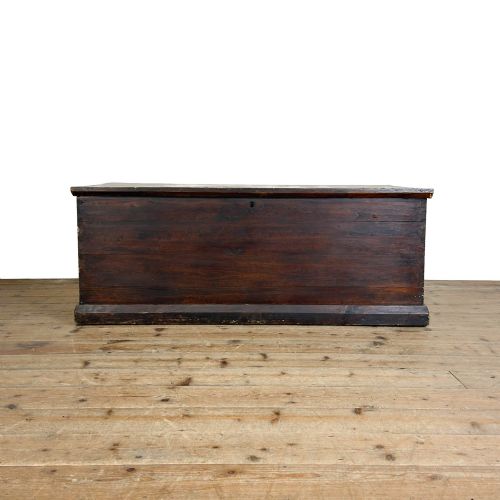
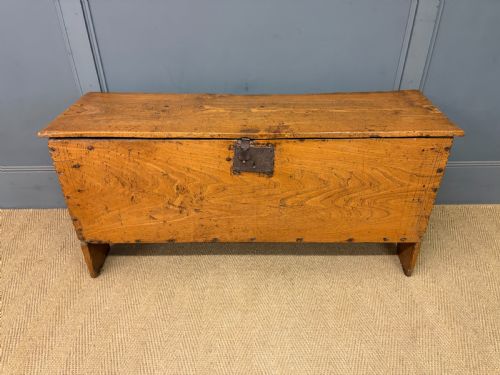
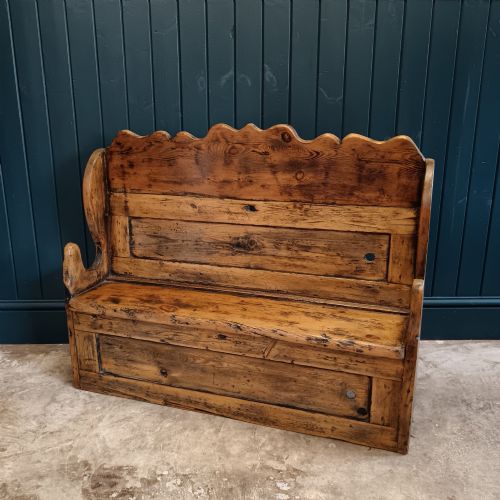
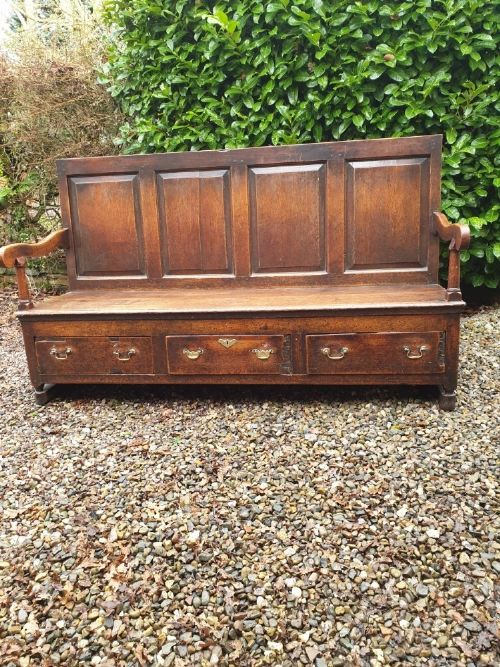
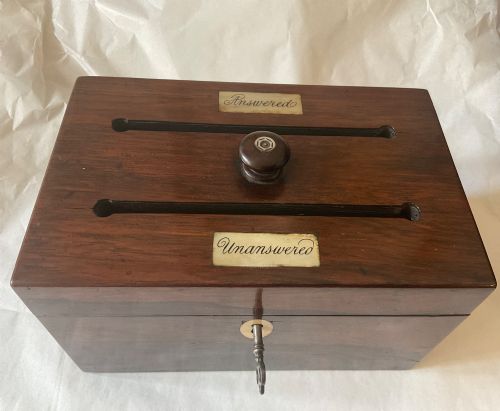
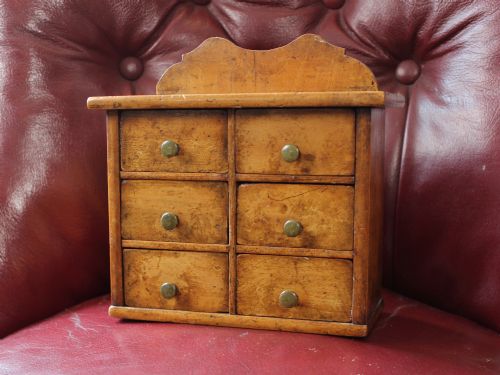
A country house wooden box encompasses utilitarian storage forms shaped by domestic life from the seventeenth century through to the Edwardian period. Buyers encounter robust oak coffers, pine blanket chests, elm dough bins, and specialised correspondence letter boxes that served administrative and domestic roles in large households.
Construction and materials
Cabinetmakers and estate joiners utilised solid native hardwoods such as oak, elm, and mahogany alongside softer timbers like pine. Construction methods relied on robust joints suited to heavy daily use, including joined framing, pegged panels, and iron banding.
Surfaces frequently display applied paint finishes, ranging from red painted schemes to stained pine and natural waxed grains. Iron and brass hinges, lock plates, and carrying handles reinforce the functional design of trunks, silver boxes, and post boxes.
Country House Wooden Box Retail Price Guide 2026
Typical asking prices for country house wooden box among the pieces listed under this phrase on Sellingantiques today, from the lower quarter to the upper quarter. They describe what is for sale here now, not the wider market.
Listings span from the seventeenth century through the Edwardian era, incorporating oak, pine, elm, mahogany, and painted surfaces.
Assessing quality
Quality rests upon the selection of timber, the integrity of the structural joinery, and the retention of original surface treatments. Superior examples demonstrate thoughtful proportion and authentic patination gained through generations of use rather than decorative artifice.
The presence of original working hardware, such as brass mounts and iron operational locks, elevates a piece. Subtle details like hand-carving on early coffers or careful paint application on regional items distinguish finer workshop production from basic utility.
The Country House Wooden Box Glossary
- Coffer
- A heavy wooden chest traditionally used for storing valuables or dry goods. Early examples feature joined oak construction and pegged panels.
- Mule chest
- A storage chest fitted with one or more drawers beneath the main compartment. This form bridges the evolution between simple blanket boxes and chest of drawers.
- Dough bin
- A specialised domestic trough with a lid used for bread making. These pieces usually feature sloping sides and sturdy timber frames.
- Letter box
- A desktop or wall-mounted container designed for sorting and storing correspondence. They often incorporate brass mounts and fitted interior compartments.
Country House Wooden Box: Frequently Asked Questions
What is a mule chest?
A mule chest combines a traditional lift-lid storage trunk with one or more drawers built into the base. This form emerged when makers added drawers to standard blanket chests for easier access.
They served as versatile storage furniture in traditional households, holding linens and garments.
How are letter boxes used today?
Antique letter boxes provide functional desktop storage for mail, stationery, and small household items. Their compartmentalised interiors help organise modern paperwork.
Place them on sideboards or desks to add period character while maintaining everyday utility.
What woods were used in these boxes?
Cabinetmakers relied on native British and European timbers suited to daily wear. Oak and elm provided strength for early coffers and dough bins, while pine served as a primary material for painted storage trunks.
Mahogany and walnut appeared in more formal Georgian and Victorian pieces.
How do I date a wooden box?
Dating relies on construction methods, timber choice, and hardware styles. Joined oak pieces with pegged framing point to seventeenth and eighteenth-century origins.
Later Victorian and Edwardian examples often utilise machine-sawn pine, applied mouldings, and mass-produced brass fittings.