





Country House Vessel
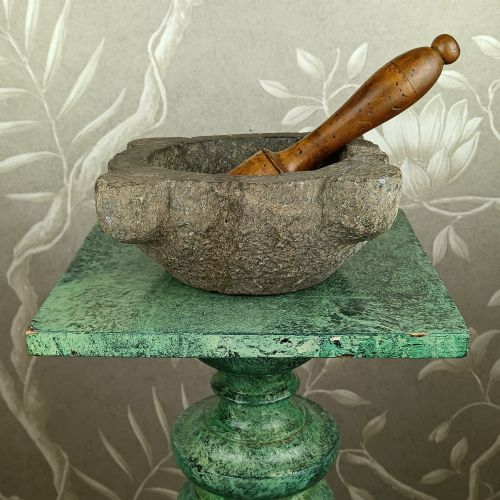
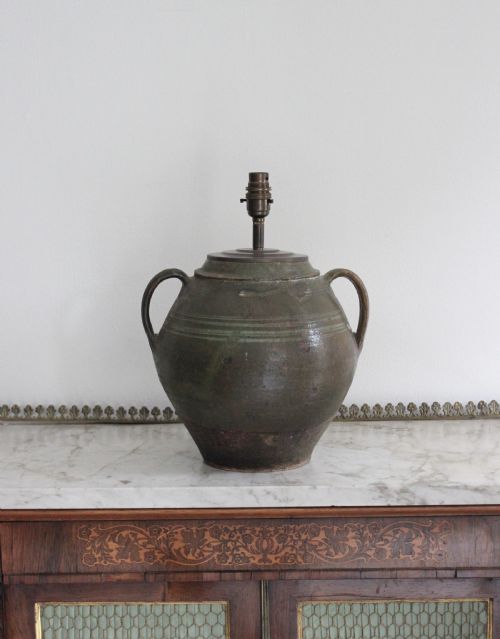
These country house vessel pieces span utilitarian dairy and household containers in earthenware, copper, brass, and timber.
Country House Vessel
A country house vessel covers utilitarian household and dairy containers originating from the nineteenth century and earlier. The selection includes copper jugs, oak buckets, terracotta crocks, and turned sycamore bowls designed for practical domestic duties. These functional items reflect the domestic economy of large estates and rural homesteads.
Buyers will most frequently encounter nineteenth century pieces, alongside occasional seventeenth century Dutch slipware and early twentieth century hand carved bowls. Forms range from preserving pans and stick stands to dairy bowls and watering cans. Each piece retains a grounded, rustic character shaped by its original utility.
How they were made
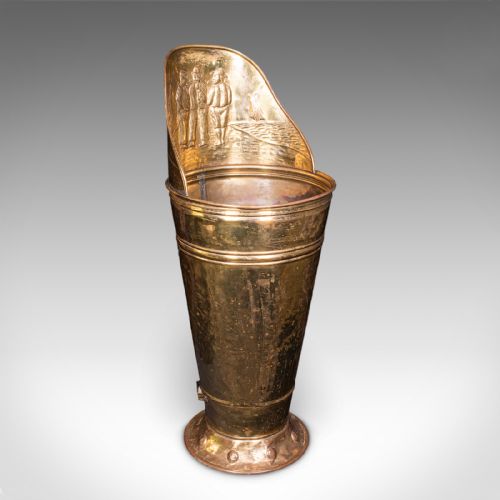
Metal vessels rely on hand beating and jointing in copper and brass, often paired with iron handles and fixings. Toleware items utilise painted sheet metal, while preserving pans and jugs display robust working construction designed for daily kitchen or dairy labour.
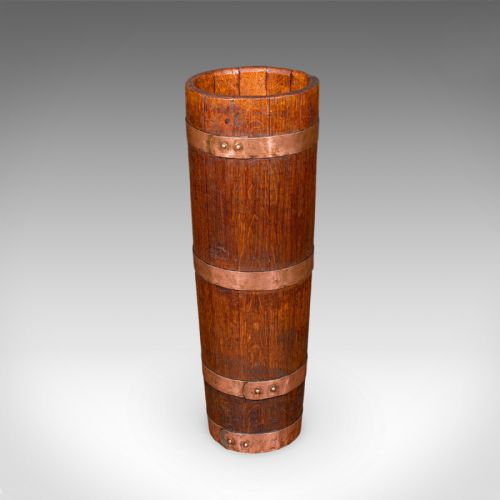
Wooden forms are shaped through coopered stave construction with metal banding, or carved directly from solid timber like sycamore and oak. Earthenware and terracotta pieces utilise glazed finishes, slip decoration, and agateware pottery techniques to provide durable waterproof surfaces.
Country House Vessel Retail Price Guide 2026
Typical asking prices for country house vessel among the pieces listed under this phrase on Sellingantiques today, from the lower quarter to the upper quarter. They describe what is for sale here now, not the wider market.
A dug out tree trunk container requires no joints at all, holding its quiet forest history within a single carved piece of wood.
What varies in quality
Quality rests in the integrity of the original construction, whether through tight coopering on an oak bucket or clean hammering on a copper jug. Surface wear tells a story of use, but superior examples retain structural stability and uncompromised materials.
Subtlety of form and natural patina elevate certain pieces, such as a sycamore dairy bowl with a warm surface or a slipware jug with balanced proportions. Lesser pieces may show heavy utilitarian repairs or loss of the characteristic finishes that define their period.
The Country House Vessel Glossary
- Coopered
- Constructed from wooden staves bound together with metal hoops, typical of buckets and tubs. This technique ensures watertight integrity for holding liquids.
- Slipware
- Pottery decorated with a liquid clay slip applied before firing, often creating trailing patterns under a clear glaze. Seventeenth century Dutch examples showcase this traditional method.
- Toleware
- Lacquered or enamelled sheet metal household objects, popular during the Victorian era. The technique provides a durable, decorative finish to utilitarian vessels.
- Agateware
- Pottery made from mixed coloured clays or surface treatments to imitate the variegated appearance of agate stone. This decorative technique appears on early twentieth century teapots.
- Patina
- The surface sheen and colour developed on wood, metal, or ceramic through age and handling. A warm patina indicates long use and careful preservation.
Country House Vessel: Frequently Asked Questions
What were copper jugs used for?
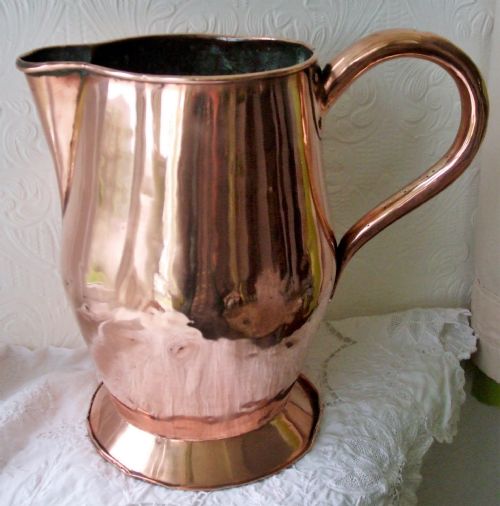
Copper jugs served practical carrying and pouring duties within the large kitchens and sculleries of country estates. Their robust metal construction allowed them to handle heavy daily workloads involving water, ale, or dairy.
Over time, these utilitarian items gained decorative appeal through their warm metallic surfaces. Today they transition easily into domestic spaces as flower vases or fireside display pieces.
How do I care for wooden dairy bowls?
Wooden dairy bowls require gentle treatment to preserve the natural sycamore or oak timbers. Keep them away from direct heat sources and sudden temperature shifts to prevent the wood from splitting.
Occasional treatment with food safe mineral oil helps maintain the warm surface patina without sealing the grain completely. Hand washing with mild soap and immediate drying is essential.
Are terracotta crocks waterproof?
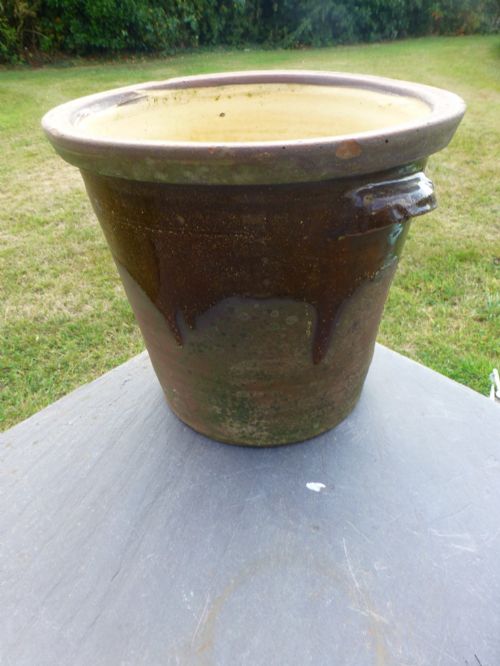
Terracotta dairy crocks feature glazed interiors designed to hold liquids or damp foodstuffs securely during food preparation. The unglazed exterior remains porous, allowing the material to breathe while containing the contents.
When using these pieces as indoor planters, place a protective saucer underneath to catch any moisture seepage. This prevents water rings on wooden furniture.
How do I identify a coopered bucket?
A coopered bucket is built from vertical wooden staves held tightly in place by exterior metal bands or hoops rather than carved from a single block. This traditional carpentry method accommodated swelling timber when exposed to liquids.
Examining the base and interior reveals the individual fitted staves and structural banding. These items were standard equipment for holding water, oysters, or coal.