





Country House Stick Holder
These country house stick holder pieces organise hallway clutter with practical heft, bringing enduring architectural character to an entrance hall.
Country House Stick Holder
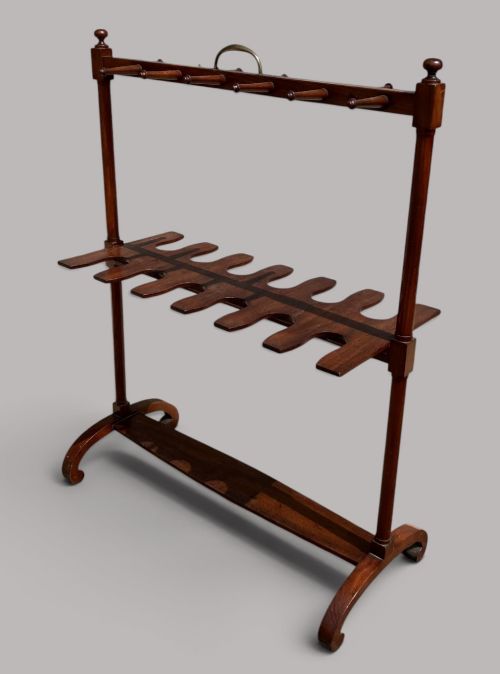
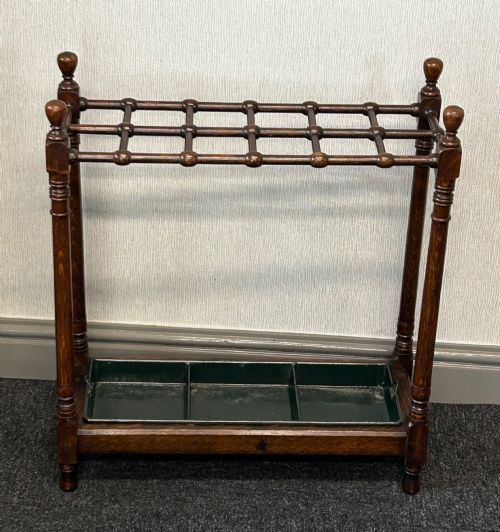
A country house stick holder serves the functional demands of a large estate entrance, housing walking canes, riding crops, and umbrellas.
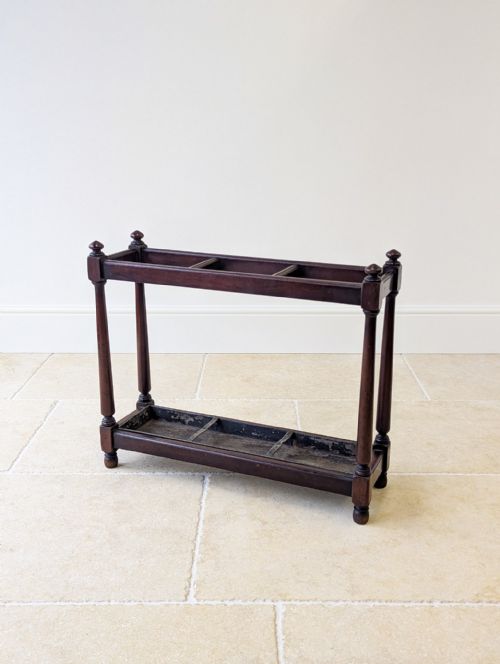
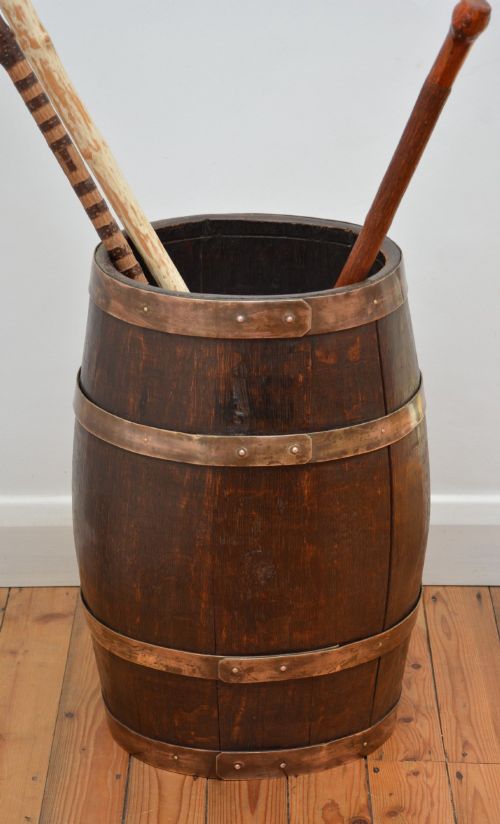
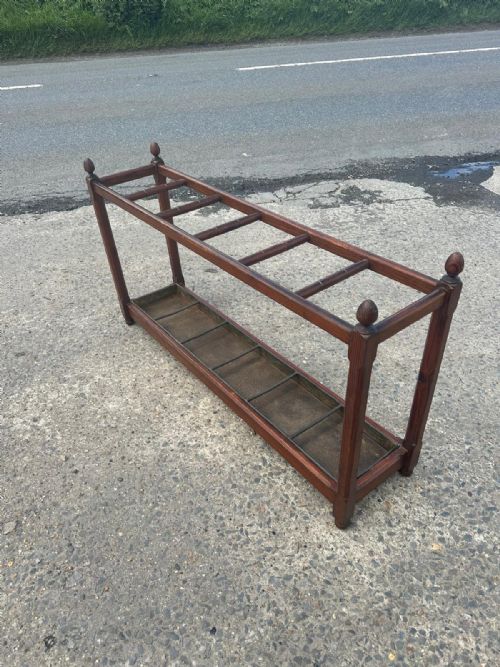
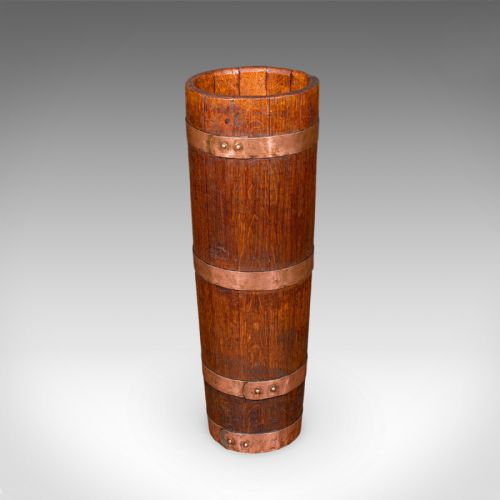
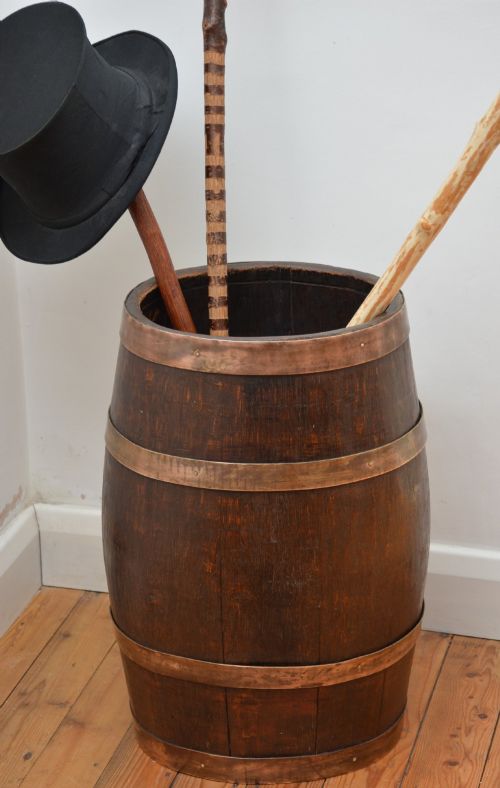
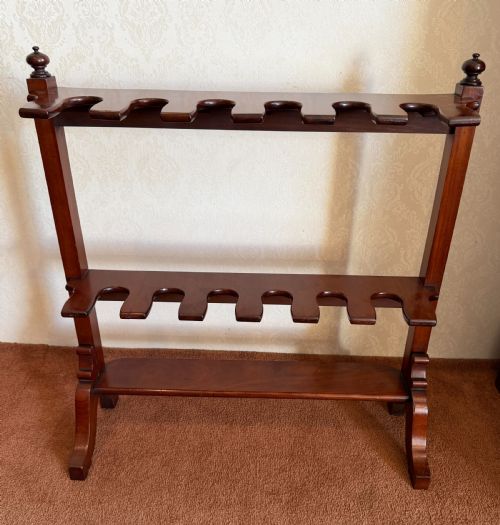
The pieces on this page appear primarily in oak and mahogany, often taking the form of coopered barrels or partitioned hall stands.
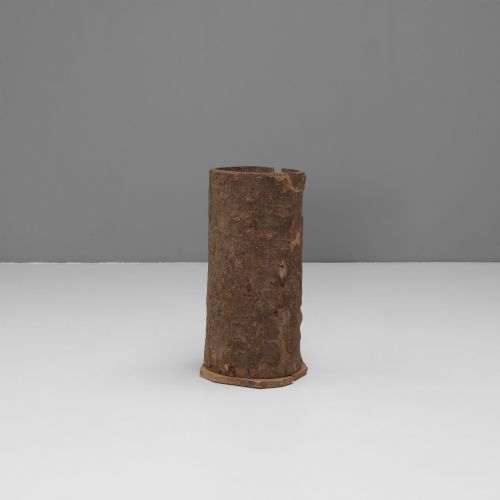
Victorian and Edwardian iterations dominate the selection, alongside earlier Georgian designs and rustic vernacular timber forms.
Materials and construction methods
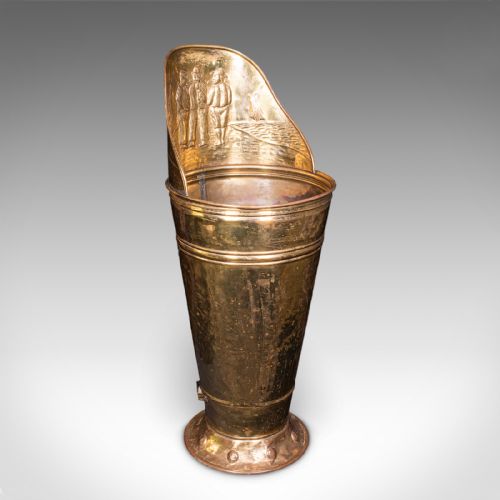
Coopers utilised traditional stave construction bound with brass or iron hoops to create sturdy barrel-form umbrella holders from solid oak.
Cabinetmakers shaped dense hardwoods such as mahogany and pitch pine into partitioned hall racks and specialised boot and whip stands.
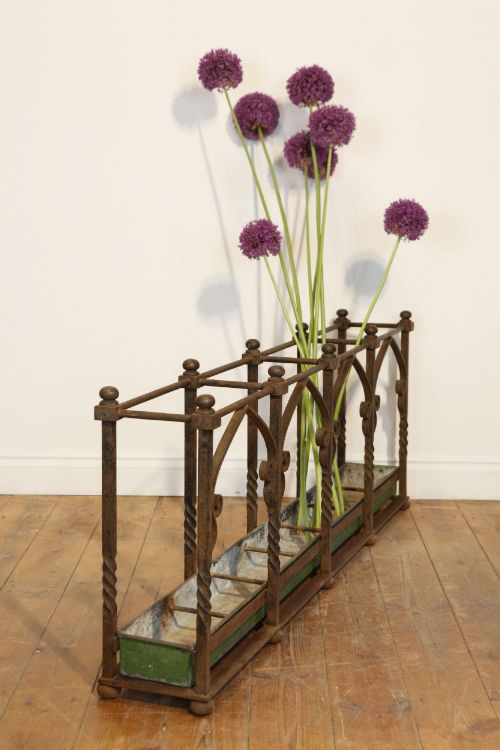
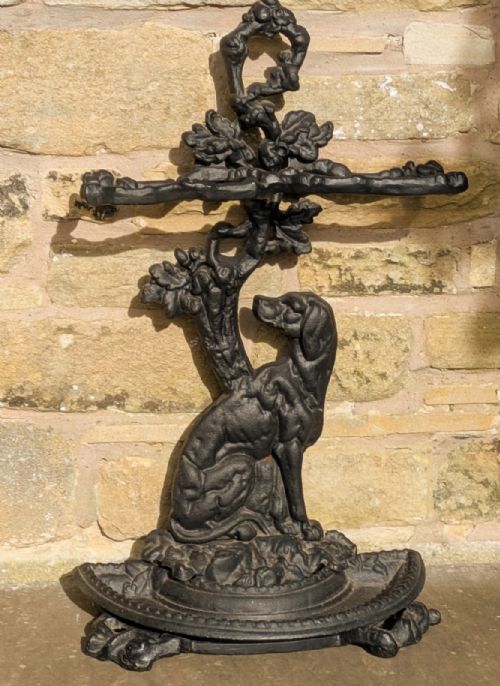
Foundry workers cast iron into intricate decorative motifs, while sheet brass and copper provided durable linings and decorative mounts.
Country House Stick Holder Retail Price Guide 2026
Typical asking prices for country house stick holder among the pieces listed under this phrase on Sellingantiques today, from the lower quarter to the upper quarter. They describe what is for sale here now, not the wider market.
Current listings span the eighteenth through the early twentieth century, utilising oak, mahogany, brass, iron, and copper.
Distinctions in construction and design
The integrity of the timber framing and the tightness of coopered joints distinguish utilitarian workshop pieces from finer domestic furnishings.
The presence of original metal drip pans, robust brass bindings, and documented provenance elevate certain examples above standard production.
Subtlety in carved detail and proportion separates standard hall furniture from substantial architectural commissions.
Heals of London·Harrison Patent
The Country House Stick Holder Glossary
- Coopered
- Constructed from wooden staves fitted together side by side and bound by metal hoops, much like a traditional barrel. This technique ensures waterproof durability for holding wet umbrellas.
- Demi-lune
- Halved in a crescent shape designed to sit flush against a hallway wall. This space-saving profile is typical of period entrance hall furniture.
- Paktong
- A copper-nickel-zinc alloy resembling silver, imported from China and used for durable metalwork. It provides a bright metallic finish on select period items.
- Pitch pine
- A resinous softwood valued for its durability and strong grain patterns. It frequently appears in late nineteenth-century vernacular furniture.
- Vernacular
- Objects built by local craftsmen following regional traditions rather than high-style academic designs. These pieces emphasise utility and local materials.
Country House Stick Holder: Frequently Asked Questions
Where were stick holders placed in a house?
These pieces sat primarily in entrance halls, vestibules, or boot rooms where family members and guests shed wet outdoor gear.
Their substantial weight prevented tipping when heavy walking sticks or damp umbrellas were dropped inside.
How do I care for wooden barrel stands?
Keep the timber conditioned with appropriate wax and ensure metal drip pans are emptied and dried regularly to prevent moisture damage.
Avoid placing wooden stands near direct heat sources that could cause old staves to shrink or split.
What is the difference between an umbrella and stick stand?
Umbrella stands typically feature larger interior spaces and built-in metal liners to catch rainwater from fabric canopies.
Stick stands often incorporate narrower divisions, rings, or racks specifically sized for walking canes and riding crops.
How are Victorian pieces identified?
Victorian examples display dense oak or mahogany construction, often featuring coopered barrel bodies with brass bindings or cast iron frames.
Stylistic cues draw heavily on Gothic revival patterns and heavy vernacular proportions popular during the nineteenth century.