



Country House Pantry
These country house pantry pieces are robust utilitarian cupboards built for domestic storage, offering authentic charm and practical depth for modern interiors.
Country House Pantry
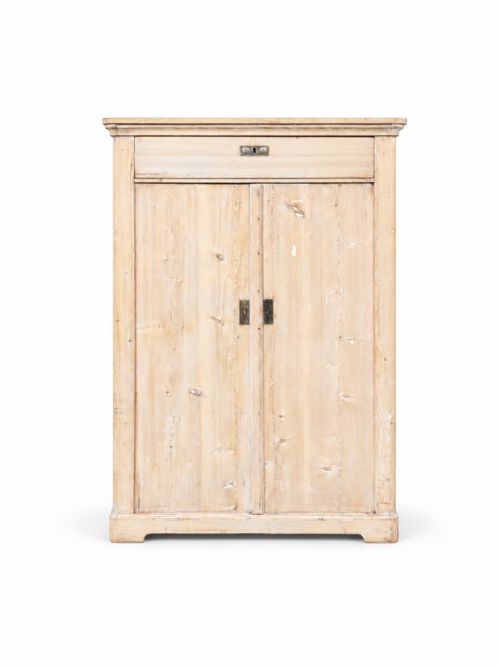
A country house pantry selection brings together utilitarian storage furniture built for the domestic service quarters of large estates and farmhouses. These pieces are predominantly housekeepers cupboards, kitchen dressers, larder cupboards, and linen presses designed for heavy daily use.
Regional diversity appears through styles spanning English country, folk art, rustic farmhouse, and Swedish country. Each piece reflects the functional requirements of domestic provisioning before modern refrigeration and fitted kitchens changed the domestic interior.
How they were made
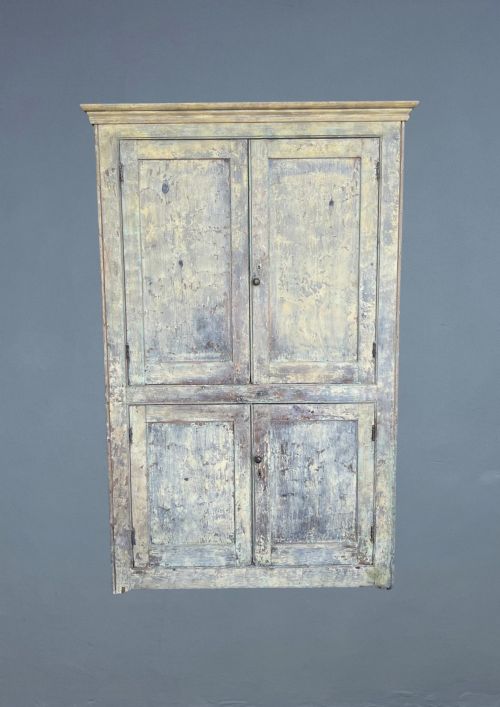
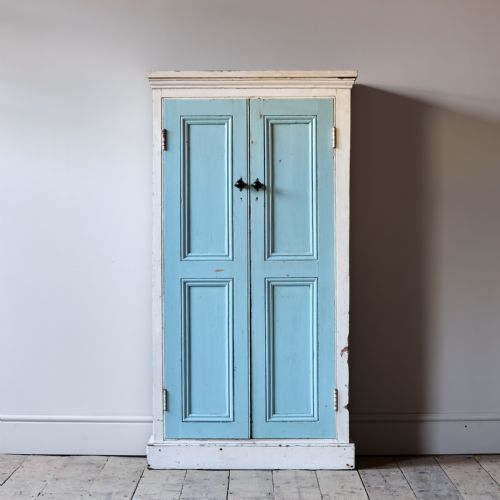
Makers relied primarily on pine for these utilitarian carcasses, selecting softwoods for availability and ease of construction in regional workshops. Surfaces were frequently treated with paint, scumble finishes, or left as plain wood depending on the status of the pantry or scullery they inhabited.
Hardware details typically involved brass and iron for hinges, latches, and key escutcheons, securing heavy doors that enclosed extensive shelving. Wire mesh panels occasionally appeared in food and larder cupboards to allow ventilation while keeping pests away from provisions.
Country House Pantry Retail Price Guide 2026
Typical asking prices for country house pantry among the pieces listed under this phrase on Sellingantiques today, from the lower quarter to the upper quarter. They describe what is for sale here now, not the wider market.
Listings feature eighteenth century, nineteenth century, and Edwardian periods, utilising pine, paint, brass, iron, and wire mesh.
What varies in quality
Quality rests heavily on the survival of original surface treatments, distinguishing pieces retaining their early paint or scumble from those stripped down to bare pine. The integrity of the original timber framing and the proportion of the carcass dictate the visual weight of the furniture.
Proportion and regional character separate standard utility items from more ambitious architectural pieces like breakfront dressers or Yorkshire cupboards. The presence of untouched vernacular details, such as original hardware and undisturbed interior shelving, elevates the standing of an individual cupboard.
The Country House Pantry Glossary
- Scumble painted
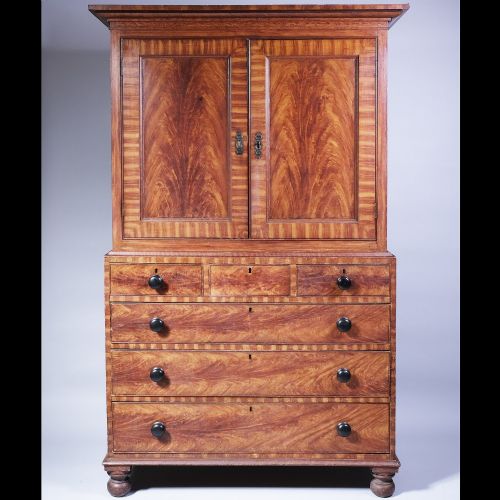
- A decorative technique involving the manipulation of a translucent glaze over a base coat to imitate finer grained woods or create textured patterns. This finish was widely used on utilitarian furniture to provide a richer appearance.
- Breakfront
- A cabinet design where the central section projects forward from the flanking outer sections. This architectural arrangement adds depth and visual rhythm to larger kitchen dressers and storage units.
- Linen press
- A tall cupboard featuring upper sliding trays or shelves for folded textiles and lower drawer storage. These units were essential for managing household linens in large domestic service rooms.
- Scullery cupboard
- A heavy utility storage piece built specifically for the damp and demanding environment of the scullery. These units were constructed to withstand rigorous daily cleaning and heavy provisions storage.
Country House Pantry: Frequently Asked Questions
How do I identify a nineteenth century piece?
Nineteenth century examples typically show construction methods featuring hand sawn timbers, early iron or brass hardware, and pegged joints. Surface finishes often include original paint or scumble effects.
Examining the interior construction and timber ageing helps confirm the period. Regional variations from this era also display distinct local joinery habits.
Were these cupboards always painted?
Many utility cupboards were painted or scumble glazed to protect the soft pine and give a uniform appearance in working service rooms. Paint finishes were renewed as needed during the working life of the furniture.
Some pieces were left as bare wood or stripped later, but surviving early paint provides significant historic character. Original surface treatments remain a key indicator of authenticity.
How do I live with a large larder cupboard?
Large storage cupboards suit modern kitchens, boot rooms, and dining areas as freestanding larders or linen stores. Their deep shelving accommodates bulky kitchen equipment and dry goods easily.
Ensuring adequate clearance for opening large doors is essential before placement. These substantial pieces anchor a room visually and provide unmatched practical capacity.