

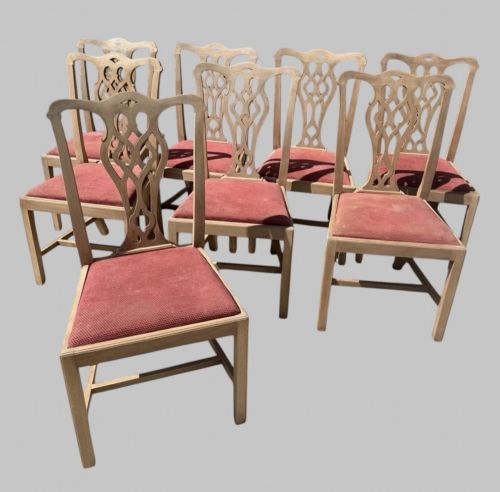


Country House Dining Set
A country house dining set brings together chairs from the eighteenth, nineteenth, and early twentieth centuries to anchor a room with enduring character.
Country House Dining Set
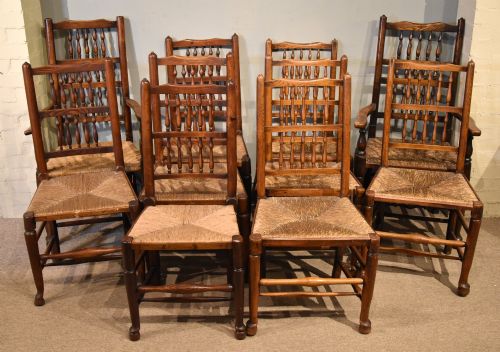
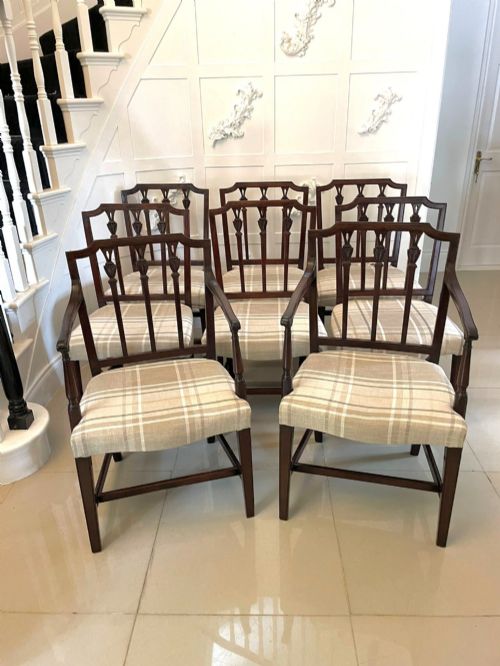
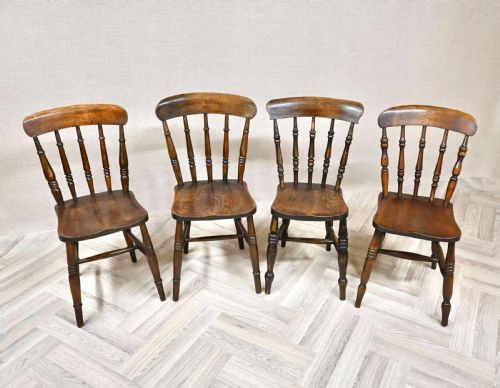
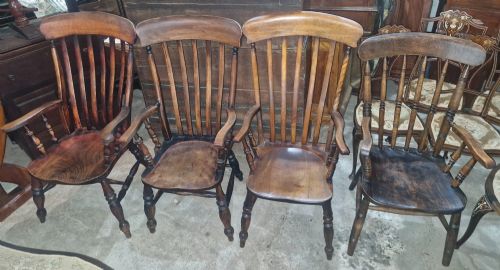
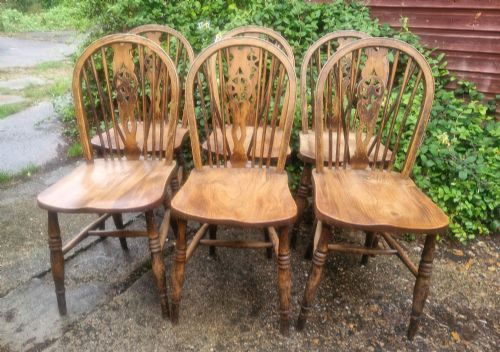
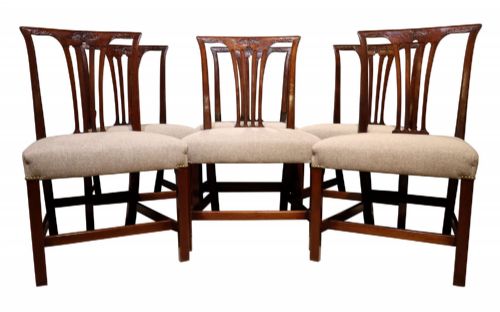
A country house dining set comprises matched or complementary groups of seating, predominantly dining chairs, spanning periods from the eighteenth century through to the early twentieth century. Buyers seeking a country house dining set encounter diverse forms ranging from farmhouse kitchen chairs to formal George III mahogany designs.
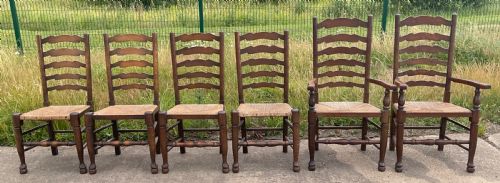
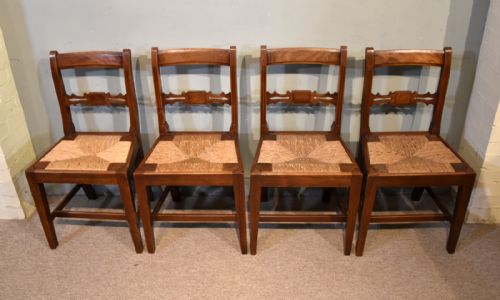
The configurations vary significantly, appearing as sets of four, six, eight, ten, or sixteen pieces, occasionally accompanied by substantial oak tables. Materials shift from robust elm, beech, and ash to finer mahogany, cherry, and fruitwood, reflecting both utilitarian farmhouse origins and more formal domestic settings.
Materials and Construction
These sets utilise solid timber frames constructed from native and imported woods, pairing beech and elm with traditional rush seats or upholstered fabric pads. Cabinetmakers shaped sturdy vernacular chairs using steam-bending and spindle-turning techniques for Windsor and ladderback forms.
More formal iterations employ carved mahogany and fruitwood with pegged joinery, demonstrating the structural expertise required to withstand generations of daily use around the dining table.
Country House Dining Set Retail Price Guide 2026
Typical asking prices for country house dining set among the pieces listed under this phrase on Sellingantiques today, from the lower quarter to the upper quarter. They describe what is for sale here now, not the wider market.
Silver napkin rings modelled precisely as horse stirrups add an unexpected equestrian touch to the dining table.
Distinguishing Quality
The refinement of timber selection and the crispness of carved details dictate the standing of each piece within a set. Sets that retain uniform timber grain and original patination command higher regard than those assembled from mismatched components over time.
Structural integrity, the survival of early surface finishes, and the harmonious balance of larger groupings like sets of eight or ten separate superior examples from more common assemblages.
The Country House Dining Set Glossary
- Windsor chair
- A wooden chair built with a solid sculpted seat into which the legs and back spindles are wedged. These chairs form a staple of vernacular dining seating.
- Ladderback
- A wooden chair back featuring several horizontal slats or rails between the vertical uprights. This traditional form often incorporates rush seating.
- Barback
- A chair back characterised by a horizontal wooden bar crossing the spindles. This design provides sturdy lumbar support in kitchen and dining seating.
- Wheel back
- A Windsor chair variation featuring a pierced splat carved in the shape of a cartwheel. It represents a popular nineteenth-century decorative development.
- Fruitwood
- Timber derived from fruit-bearing trees such as apple, pear, or cherry, utilised for its dense grain and warm tone. Cabinetmakers favoured it for regional dining chairs.
Country House Dining Set: Frequently Asked Questions
How do I care for antique dining chairs?
Maintain stable humidity levels in your dining room to prevent the solid timbers, such as elm and mahogany, from drying out or splitting. Apply natural beeswax periodically to nourish the wood and preserve the historic surface finish without sealing it.
Avoid placing wooden and rush-seated chairs in direct sunlight or near heat sources. Regular dusting with a soft, dry cloth protects the carved details and delicate joinery from unnecessary wear.
Can I mix different chair styles together?
Combining different chair styles within a dining arrangement works well if the pieces share common materials or period characteristics. For instance, pairing ladderback chairs with a substantial oak table creates a cohesive vernacular aesthetic.
Ensure the seat heights remain consistent so diners sit comfortably around the table. Sticking to related regional traditions helps unify a mixed group of seating.
How do I identify a George III chair?
George III chairs typically display restrained classical proportions, elegant carved splats, and sturdy mahogany or fruitwood frames. Look for fine details like tapered legs, spade feet, and subtle fluting characteristic of the eighteenth century.
Check the underside of the seat for traditional pegged joinery and tool marks indicative of period handcraftsmanship. Genuine examples show honest wear and deep patination accumulated over centuries of use.
Are these dining sets suitable for daily use?
These robust dining sets were originally built for daily domestic life and remain fully functional for modern dining. Solid hardwood frames and traditional joinery ensure the chairs withstand regular seating when treated with reasonable care.
Inspect the structural stability of the joints and rush or fabric upholstery periodically to ensure safe usage. Gentle use preserves the historic integrity of eighteenth and nineteenth-century timber.