

Country Fruitwood Table
A country fruitwood table brings domestic warmth to a room, offering tactile surfaces shaped by decades of rural use.
Country Fruitwood Table
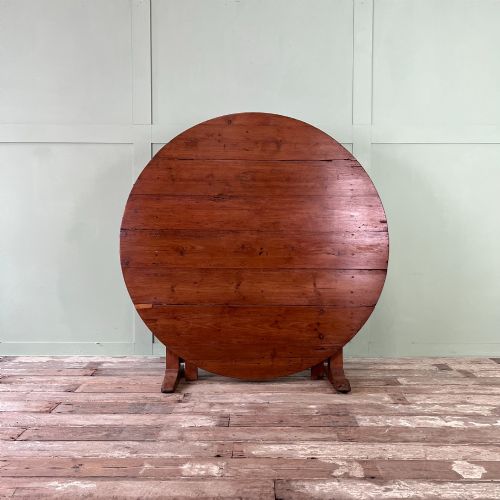
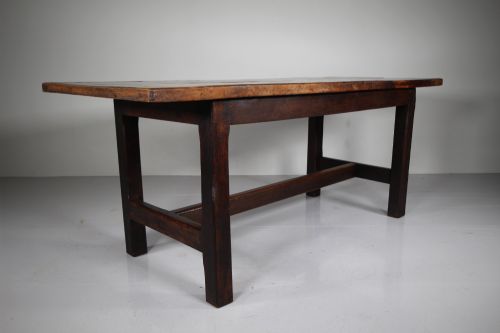
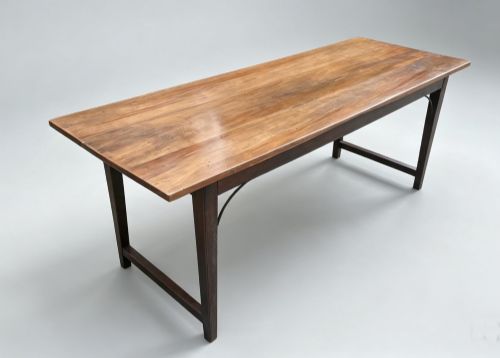
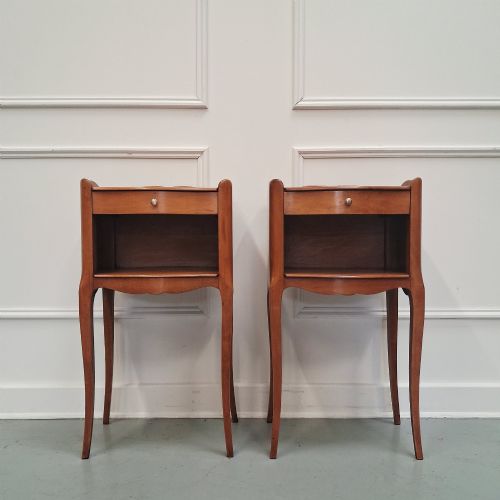
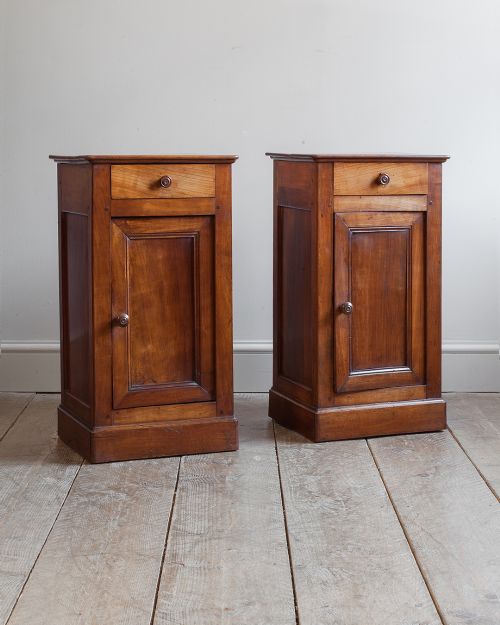
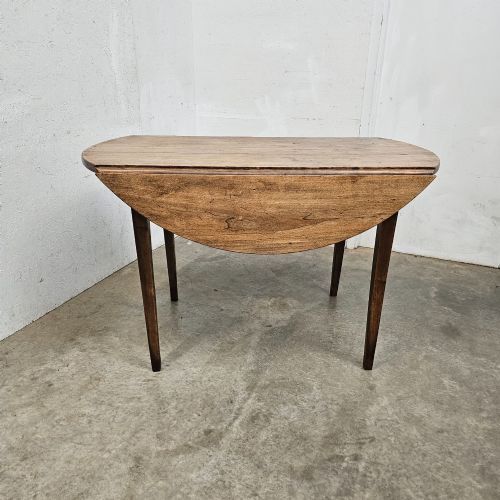
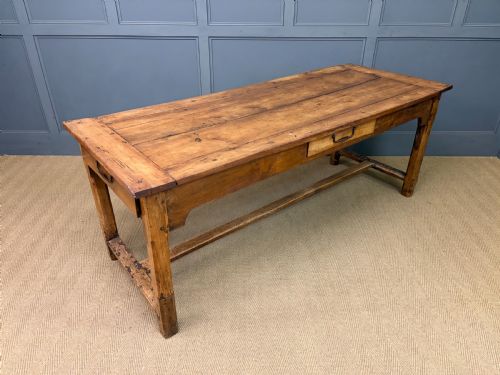
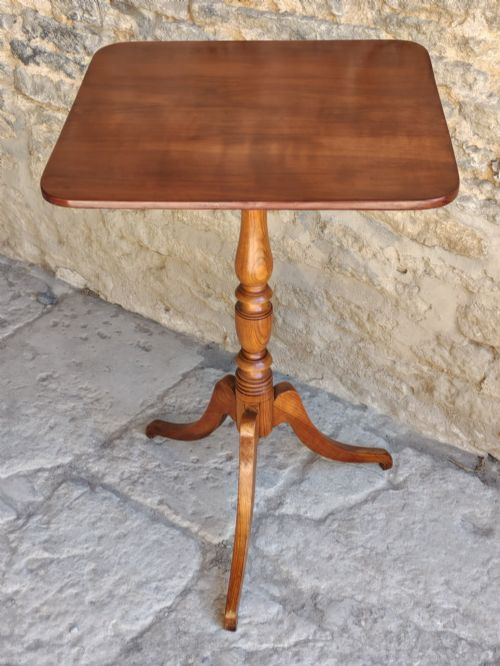
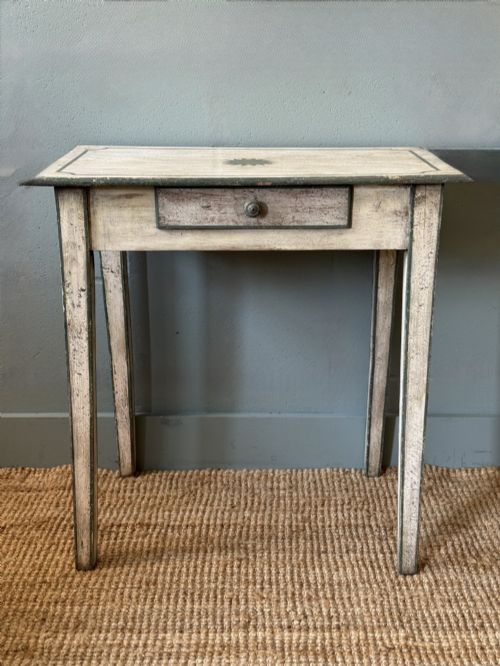
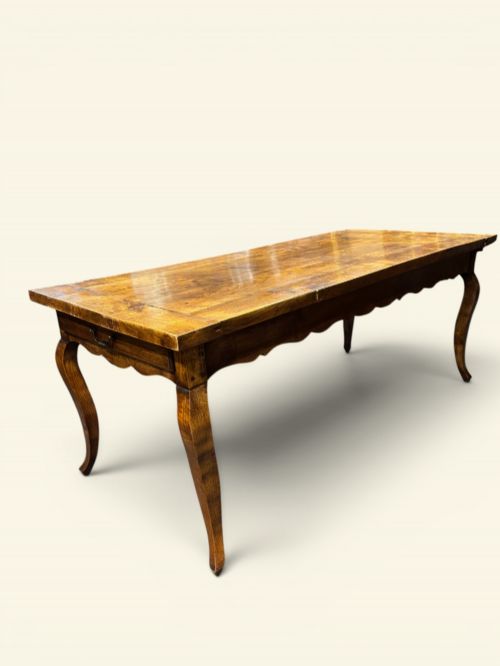
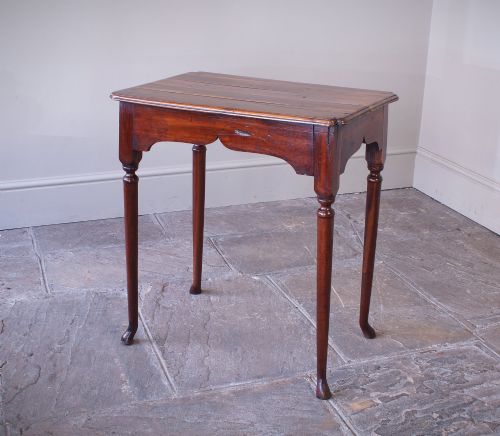
A country fruitwood table encompasses everything from expansive farmhouse dining boards to compact side tables, tripod wine stands, and bedside cupboards.
Buyers seeking a country fruitwood table most frequently encounter French and English provincial pieces dating from the eighteenth and nineteenth centuries.
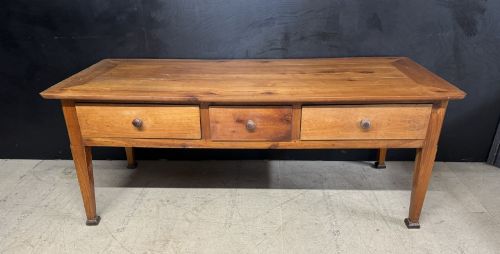
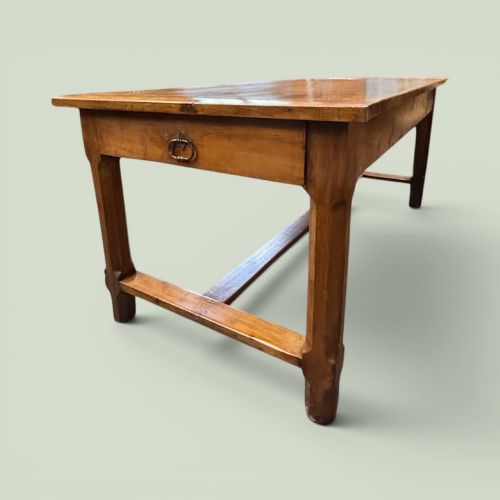
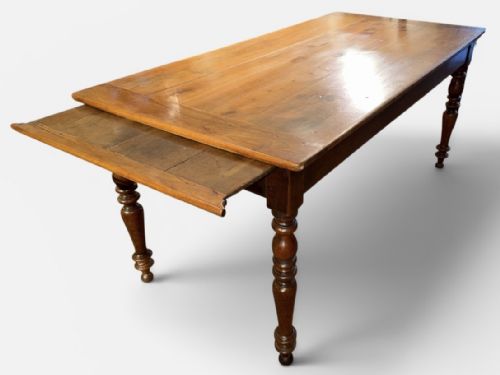
These utility items served kitchens, dairies, and parlours, meaning surviving examples often show practical additions like bread slides, drawers, or extending leaves.
Materials and Construction
Cabinet makers utilised dense, resilient timbers such as cherrywood, pear, apple, and elm for the primary surfaces, frequently pairing them with oak or pine for structural frames.
Joinery relied on pegged mortise and tenon joints, hand-turned legs, and drawer construction featuring hand-cut dovetails.
Secondary metals appear sparingly, restricted to brass or iron drawer pulls, drop handles, and occasional mechanical hinges for drop-leaf or gate-leg variants.
Distinguishing Quality
Superior examples display an honesty of proportion and substantial timber thickness, whereas lesser pieces can feel narrow or appear constructed from thinner secondary boards.
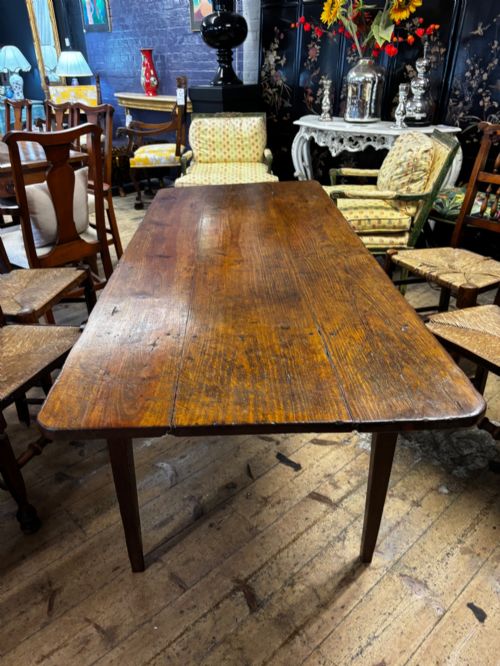
The character of the fruitwood patina separates refined examples from plain work, with age providing a rich, honeyed depth rather than a flat surface.
Integrity of the original structure, including untouched leg turnings and minimal timber replacement, marks the difference between a sound survivor and a heavily rebuilt utility table.
The Country Fruitwood Table Glossary
- Fruitwood
- Timber milled from fruit-bearing trees such as cherry, pear, plum, and apple. It yields a tight grain that polishes to a warm hue.
- Refectory table
- A long dining table traditionally used in communal halls. Country versions adapted this sturdy format for domestic farmhouse kitchens.
- Tripod table
- A small occasional table supported by a central pillar above three splayed legs. Many examples incorporate a tilting top mechanism.
- Bread slide
- A pull-out wooden shelf positioned beneath the tabletop. Bakers utilised this board to cool loaves or prepare dough.
- Scrub top
- A bare wooden tabletop designed for rigorous daily washing. These surfaces were scoured clean with sand and water.
- Cricket table
- A small, three-legged occasional table with a round top. The three-legged design remained stable on uneven flagstone floors.
Country Fruitwood Table: Frequently Asked Questions
How do I clean a fruitwood table?
Maintain the surface by dusting with a dry, soft cloth and applying a traditional beeswax paste occasionally. Avoid modern silicone sprays and keep the timber away from direct heat sources.
Excessive moisture will damage the antique finish, so use coasters and wipe spills promptly. Gentle care preserves the natural grain and builds a deeper patina over the years.
Are these tables suitable for daily dining?
Most country fruitwood tables were built precisely for heavy domestic service, making them robust choices for modern kitchens and dining rooms. Their sturdy frames handle daily family life comfortably.
Check the height clearances for modern seating, as older tables often feature lower aprons. Protective pads help prevent accidental gouges on historic tops.
How can I tell eighteenth-century pieces apart?
Earlier pieces from the seventeen-hundreds typically display pegged frame construction, hand-sawn timber marks, and deeper patination. Eighteenth-century examples often utilise simpler lines and heavier solid timber tops.
Nineteenth-century variants frequently introduce mechanical extensions, such as draw leaves or wind-out mechanisms. Inspecting the underside reveals the tool marks and construction methods characteristic of different eras.