


Country Dresser with Rack
A country dresser with rack anchors a kitchen or dining room, offering deep timber shelving and robust storage rooted in practical domestic history.
Country Dresser with Rack
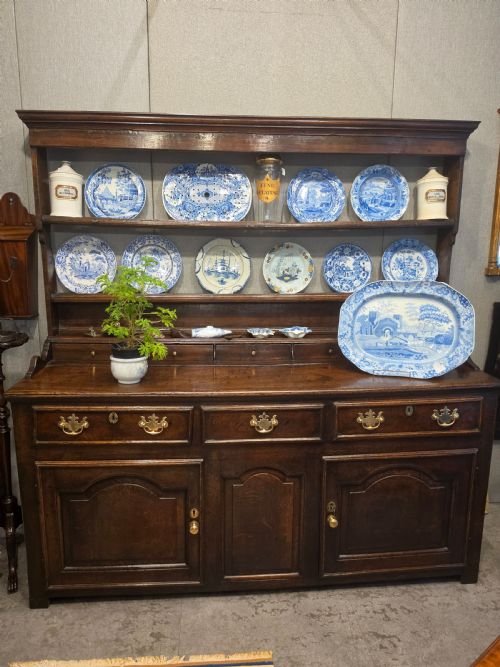
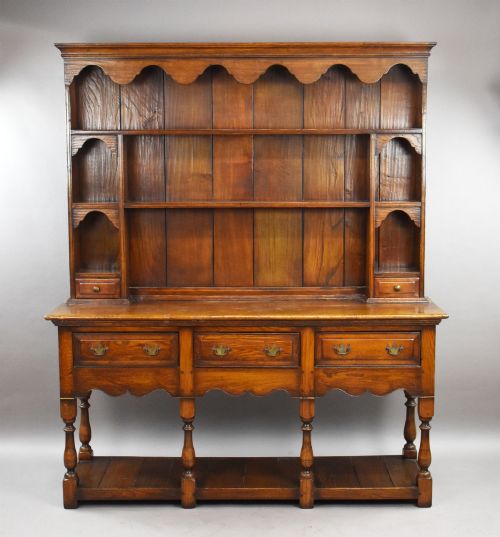
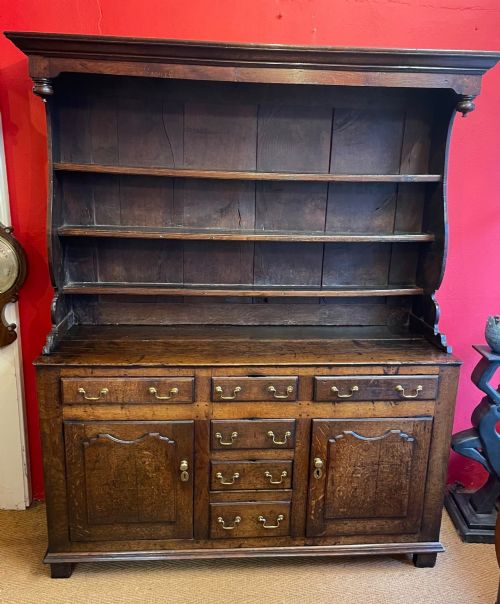
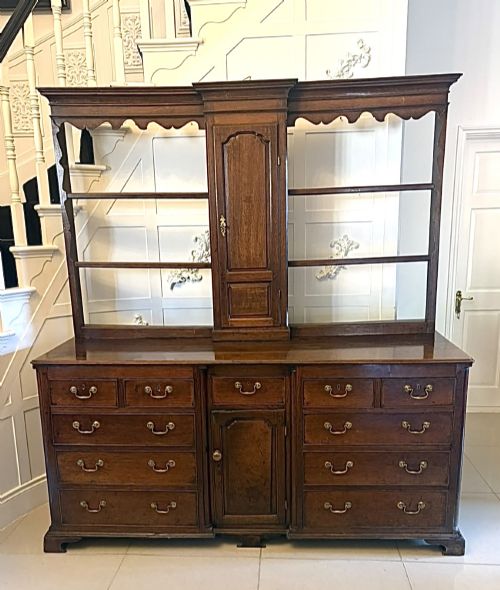
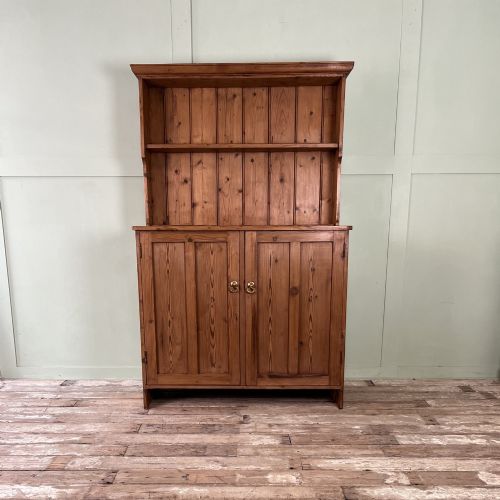
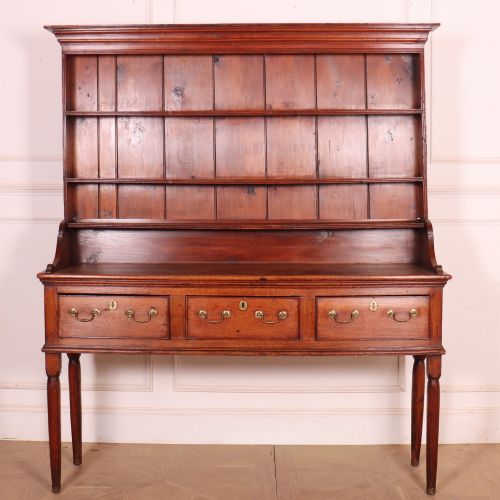
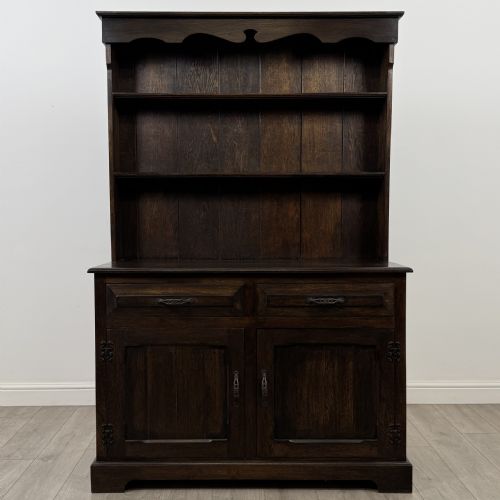
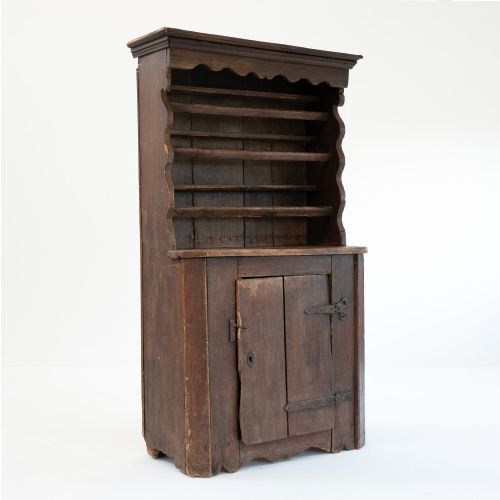
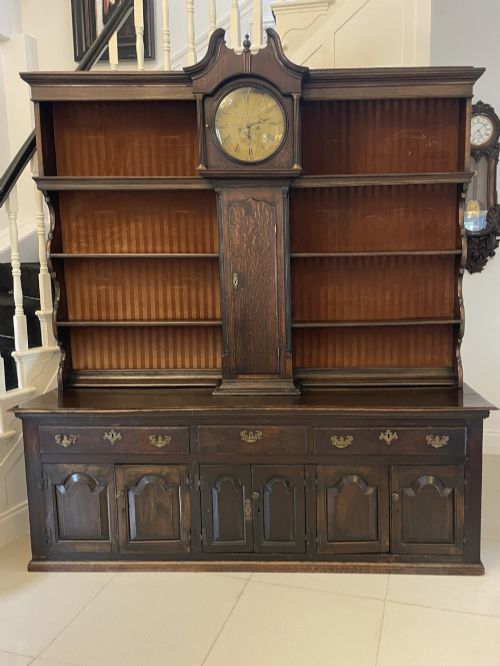
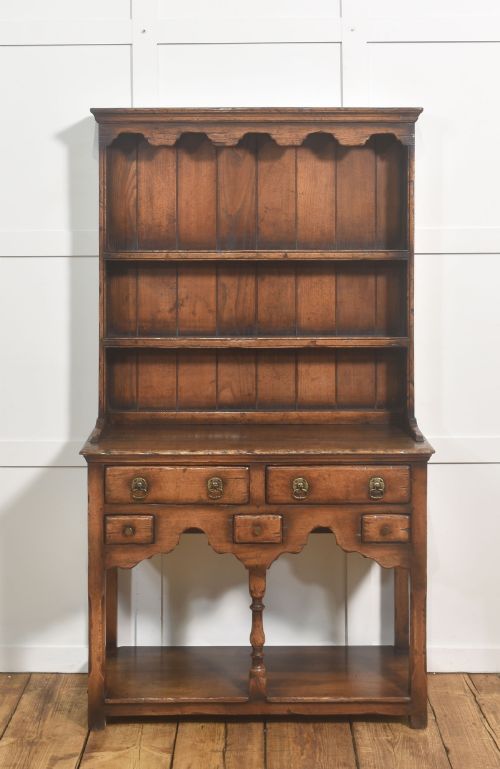
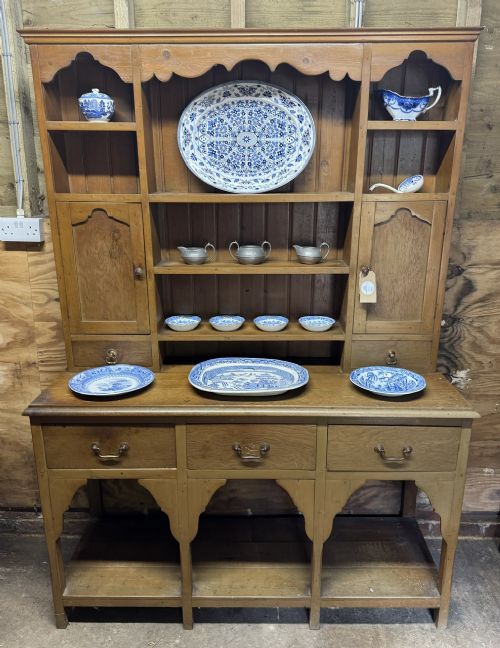
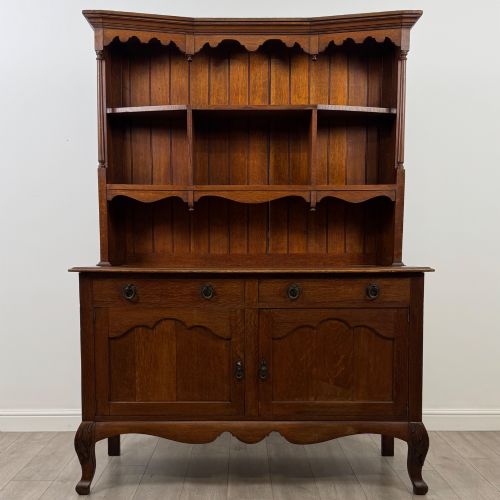
A country dresser with rack combines a lower base fitted with drawers or cupboards and an upper plate rack designed for display. These domestic fixtures emerge primarily in regional variations across Wales, England, and specific rural counties during the eighteenth and nineteenth centuries.
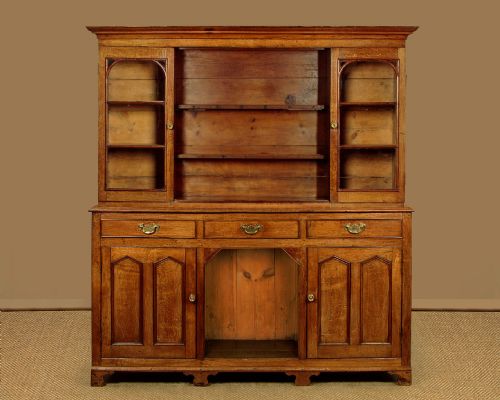
Most examples encountered here are constructed from native timbers such as oak, pine, or elm, reflecting the local woodland and agricultural economies of their makers. Regional types include North Wales designs, potboard bases, and specific formats like the dog kennel configuration.
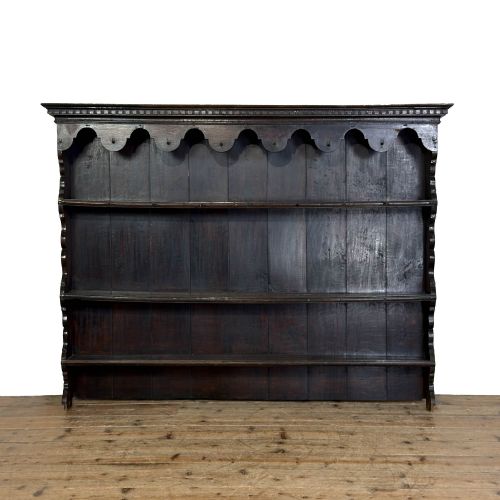
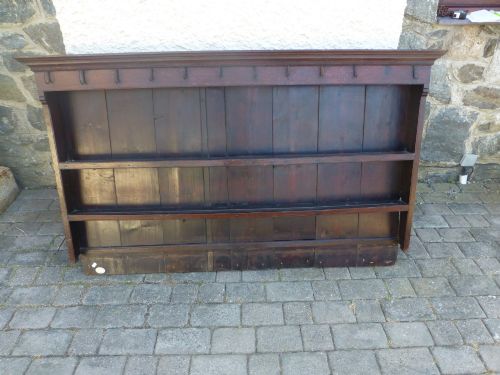
The upper racks range from simple open shelving for plates to units featuring small cupboards or Corinthian columns. These forms evolved to serve everyday kitchen needs, holding crockery and utensils within easy reach of the hearth.
Judging build and material quality
Quality depends on the integrity of the timber selection and whether the upper rack is the original pairing to the base. Superior examples display dense grain matching across the facade and minimal replacement of structural elements.
Finer pieces exhibit thoughtful proportion, balanced drawer arrangements, and well-executed regional details such as shaped friezes or panelled doors. The presence of original surface patination separates untouched vernacular survivors from heavily restored items.
Country Dresser with Rack Retail Price Guide 2026
Typical asking prices for country dresser with rack among the pieces listed under this phrase on Sellingantiques today, from the lower quarter to the upper quarter. They describe what is for sale here now, not the wider market.
The Country Dresser with Rack Glossary
- Potboard
- A lower open shelf built into the base of a dresser, traditionally used for storing pots and pans. This platform sits just above the floor, supported by the lower stretchers.
- Delft rack
- An upper wall-mounted or resting shelving unit designed to display plates and ceramic ware upright. These racks frequently feature grooves to hold plates safely at an angle.
- Dog kennel
- A central open compartment located in the lower base section of specific Welsh dressers, flanked by banks of drawers or cupboards. This niche originally served as housing for a small working dog.
- Breakfront
- A cabinet design where the central section projects forward from the flanking outer sections. This arrangement creates subtle depth across the drawer or cupboard facade.
- Patina
- The surface sheen and colour acquired by timber over centuries through handling, light exposure, and wax application. Original patination serves as a key indicator of age and uncompromised surfaces.
Country Dresser with Rack: Frequently Asked Questions
How do I date a wooden dresser?
Dating relies on examining construction techniques, timber choice, and hardware styles. Eighteenth-century pieces typically feature hand-cut joints, pegged construction, and native oak, while later nineteenth-century examples often incorporate pine and machine-sawn elements.
The evolution of drawer linings, backboards, and handles also provides clear physical evidence of the period in which the carpenter built the piece.
Are the plate racks original?
Many dressers retain their original plate racks, though some upper and lower sections were matched together later in their history. Checking timber species, wear patterns, and fixing methods helps determine if the rack belongs to the base.
A unified colour, matching wood grain, and consistent patination across both sections strongly indicate an authentic, original pairing.
How do I care for antique oak?
Antique oak benefits from stable indoor humidity and protection from direct sunlight, which can dry out the timber and fade the finish. Regular application of a traditional beeswax feed maintains the moisture and natural sheen of the wood.
Avoid modern silicone polishes, as they build up residue on the historic surface and attract dust to the carved or panelled details.