


Country Coffee Table
A country coffee table brings robust timber and utilitarian grace into a modern sitting room.
Country Coffee Table
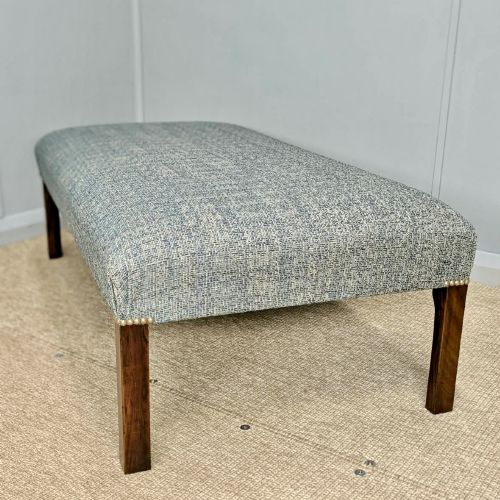
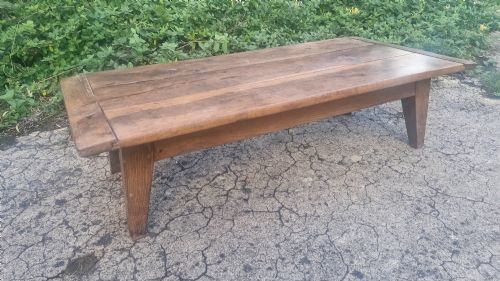
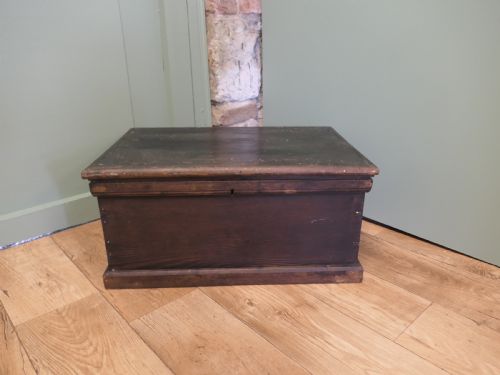
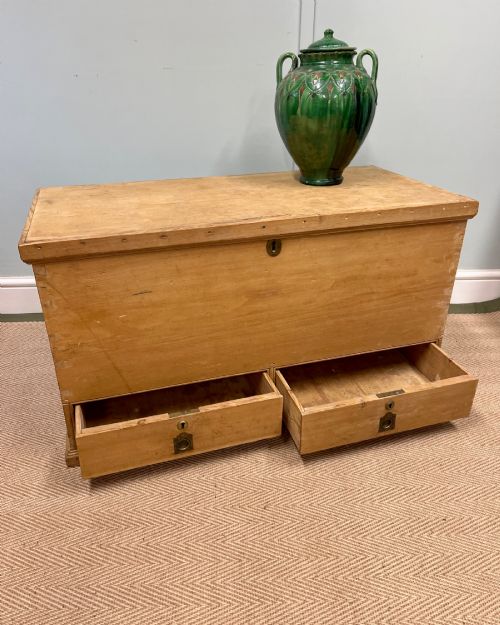
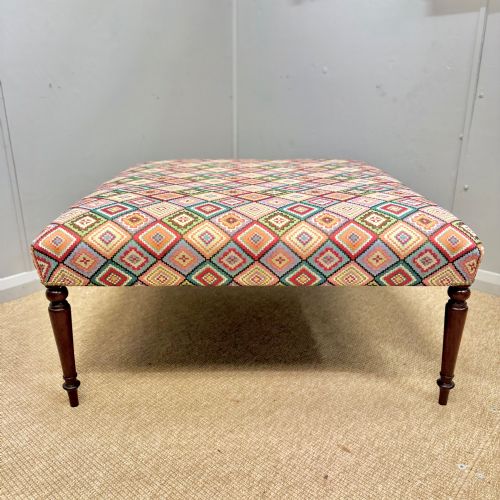
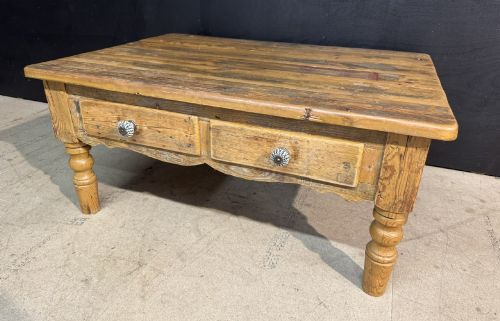
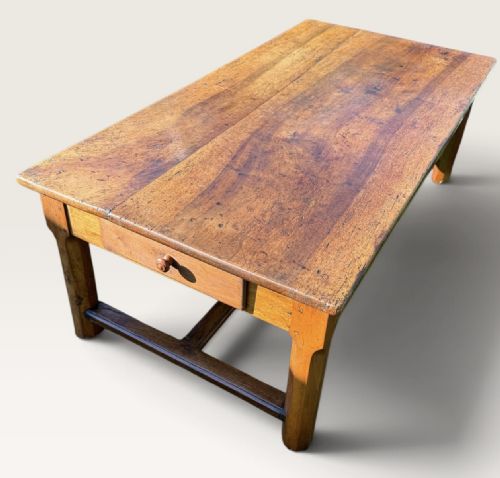
A country coffee table spans low repurposed benches, converted trunks, and low-slung oak or pine boards originally built for entirely different domestic or agricultural tasks. These pieces frequently originate from English, French, and Hungarian traditions, carrying the sturdy proportions of earlier centuries into a domestic setting.
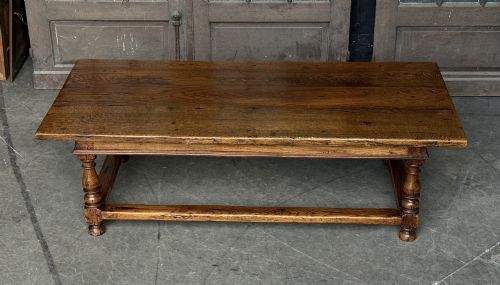
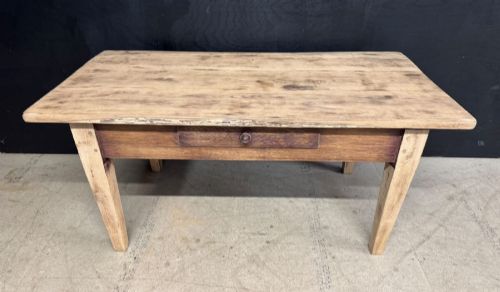
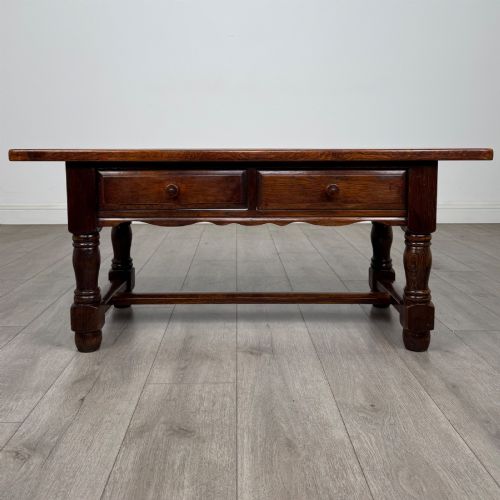
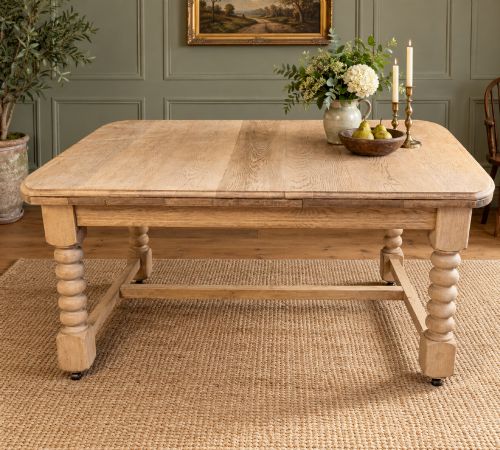
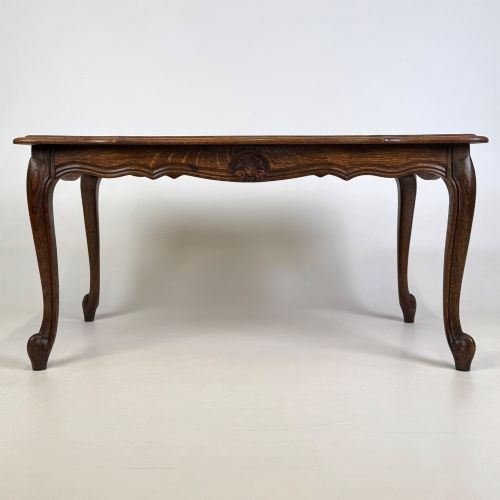
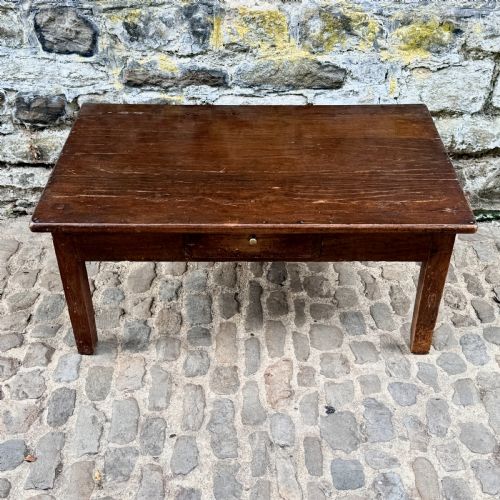
The most common iterations on this page rely on nineteenth-century pine and oak, often showing the turned legs, plank tops, or box structures typical of farmhouse furniture. Such examples trade formal symmetry for honest utility and weathered surface character.
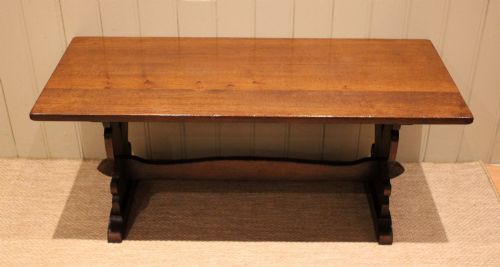
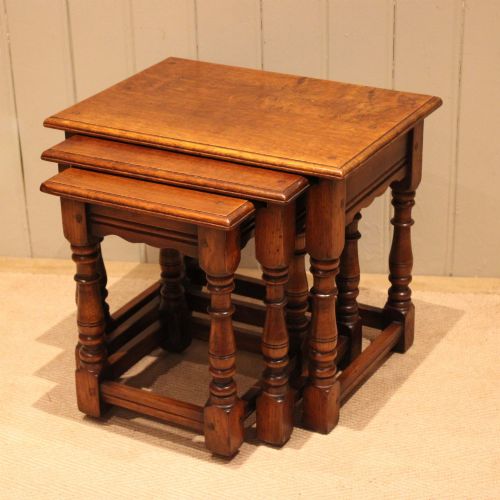
Alternative forms include low trestle designs, elm surfaces from Austria, and specialised items like cheese press tables adapted for modern living. Each variation retains the heavy timber construction and unpretentious form expected from rural workshops.
Materials and construction
Makers relied primarily on native hardwoods and softwoods such as oak, pine, elm, walnut, and chestnut, selecting timber for strength rather than showy grain. Boards were frequently joined by hand, utilising pegged joints, solid plank construction, and substantial turned legs that could withstand heavy daily use.
Surfaces were finished with simple applications of wax, paint, or left as bare scrubbed wood, allowing natural wear from domestic labour to dictate the texture. Metal elements remained strictly functional, restricted to brass fixtures, iron brackets, or wrought iron framing.
Country Coffee Table Retail Price Guide 2026
Typical asking prices for country coffee table among the pieces listed under this phrase on Sellingantiques today, from the lower quarter to the upper quarter. They describe what is for sale here now, not the wider market.
Hungarian pig benches and French oak tailors tables appear alongside traditional farmhouse boards and blanket boxes.
What separates the best pieces
Quality rests in the integrity of the timber and the honesty of the conversion from utility object to low table. Pieces retaining their original structural joinery and untouched patina outrank items that have suffered aggressive modern scraping or unsympathetic alterations.
Proportion and timber selection dictate distinction, as denser grains in older walnut or mature oak command attention over hastily joined softwoods. The weight of the timber and the balance of turned legs reveal the hand of a capable carpenter.
The Country Coffee Table Glossary
- Plank top
- A surface constructed from wide boards joined side by side. This method forms the durable working plane characteristic of heavy farmhouse tables.
- Turned leg
- Timber shaped on a lathe to create cylindrical or decorative profiles. Carpenters utilised this technique to add subtle detail to structural supports.
- Pig bench
- A low wooden bench originally used in agricultural work. These narrow forms provide exceptionally low profiles well suited to modern seating arrangements.
- Patina
- The surface sheen and colour developed through decades of handling, cleaning, and exposure to light. It serves as a visual record of age that cannot be artificially duplicated.
Country Coffee Table: Frequently Asked Questions
What defines a country coffee table?
These pieces originate from utilitarian rural furniture, including low benches, converted trunks, and heavy timber tables.
They gain their character from honest materials like oak and pine, showing decades of domestic or agricultural use.
Are these tables actually old?
The selection spans the eighteenth, nineteenth, and early twentieth centuries, reflecting genuine historical periods.
Construction methods such as hand-turned legs and pegged joints confirm their period origins.
How do I care for wooden surfaces?
Maintenance requires little beyond occasional soft waxing to nourish dry grain and protect against moisture.
Avoiding direct heat sources prevents timber from splitting or warping over time.
Can I use a bench as a table?
Historic benches and pig benches offer low heights and narrow profiles that fit naturally beside sofas.
Their sturdy timber construction easily supports everyday objects without sacrificing historic integrity.