

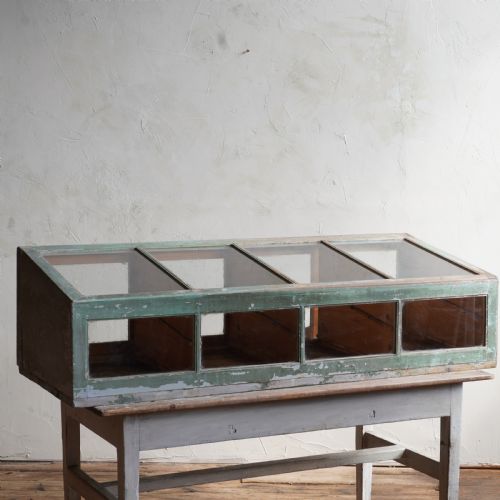


Countertop Glass Cabinet
A countertop glass cabinet brings practical retail heritage into the home, offering neat desktop or counter display for small collections.
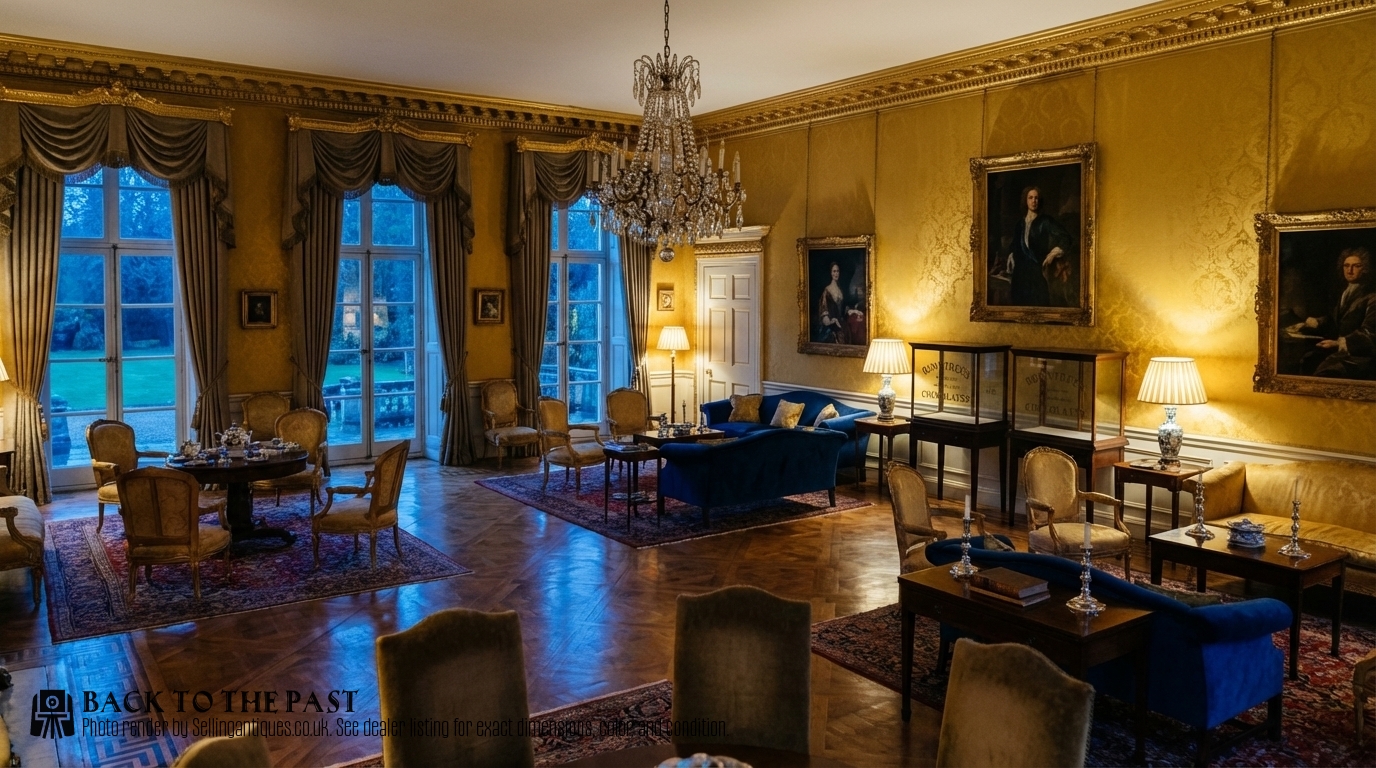
Countertop Glass Cabinet
A countertop glass cabinet serves as a compact showcase designed for shop counters, tables, and desks. These pieces range from utilitarian Victorian shop fittings to charmingly branded confectionary displays from the early twentieth century.
Buyers most frequently encounter oak and mahogany examples dating from the Victorian era through the nineteen-twenties. These versatile containers protect delicate items while keeping them completely visible from multiple angles.
The selection includes specialised forms such as haberdashery drawers, apothecary cases, and jeweler boxes lined with felt. Each style reflects the specific commercial demands of its original retail environment.
Materials and construction methods
Interior surfaces are occasionally lined with felt or fitted with mirror backs to enhance the presentation of stored objects. Glazing panels are secured into wooden or metal channels to create dust-resistant enclosures.
Countertop Glass Cabinet Retail Price Guide 2026
Typical asking prices for countertop glass cabinet among the pieces listed under this phrase on Sellingantiques today, from the lower quarter to the upper quarter. They describe what is for sale here now, not the wider market.
Sweet shop cabinets once tempted nineteenth-century buyers with treats from Rowntree and Fry right at the till.
Quality factors and distinctions
Superior examples exhibit fine timber selection, tight joinery, and original bevelled or clear glass panes. The presence of authentic maker plates or period shop signage elevates the historical interest of a piece.
Commercial provenance, such as branded confectionery advertising for chocolate or cocoa, often distinguishes exceptional pieces from standard utilitarian boxes. The integration of functional drawers and intact brass fittings also marks higher execution.
John Stow Ltd of Bradford·F. Sage and Co. London·Cadburys
The Countertop Glass Cabinet Glossary
- Haberdashery cabinet
- A compartmentalized display unit originally used in shops for small dry goods and sewing accessories. These pieces typically feature multiple shallow drawers or glass-fronted compartments.
- Ebonized
- Wood finished with a dark stain or lacquer to imitate expensive ebony. This treatment gained popularity during the Victorian period for a sleek, formal appearance.
- Apothecary case
- A specialised cabinet designed to hold medicinal jars, scales, and apothecary bottles. They often include tight-fitting doors and small internal drawers.
- Sign-written
- Hand-painted lettering applied to glass or timber surfaces for commercial advertising. Authentic period examples feature traditional paint techniques and genuine wear.
Countertop Glass Cabinet: Frequently Asked Questions
What were countertop glass cabinets used for?
These cabinets originally stood on shop counters to display luxury goods, sweets, jewellery, and small wares safely. Merchants used them to keep stock visible to customers while protecting delicate items from handling.
Today, the same enclosed design suits domestic display, protecting small collectibles, pocket watches, and curiosities from dust in home settings.
How do I date a countertop glass cabinet?
Dating relies on timber types, construction methods, and hardware styles. Victorian pieces frequently utilise solid mahogany with hand-cut dovetails, while nineteen-twenties models often incorporate brass framing or ebonized finishes.
Original commercial branding, such as early chocolate or cocoa advertising, also points firmly to the Edwardian period or the interwar decades.
Are the glass panels usually original?
Many surviving cabinets retain their original glass, which can often be identified by minor surface ripples, tiny bubbles, and traditional thickness. Plain flat glass was standard for commercial retail visibility.
Replacement glass is common due to the fragile nature of shop display counters, though careful restoration aims to match historical weight and clarity.
How should I clean a vintage wood cabinet?
Maintenance requires gentle dusting with a dry, soft cloth to protect aged timber and original finishes. Avoid modern chemical sprays and harsh polishes that can degrade nineteenth-century wax surfaces.
Glass panels can be cleaned with standard glass cleaner applied sparingly to a cloth rather than sprayed directly, preventing moisture seepage into old wooden joints.