
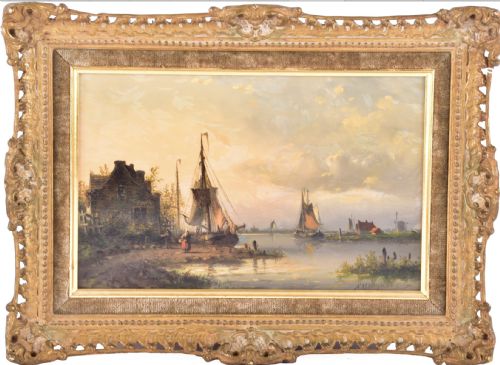

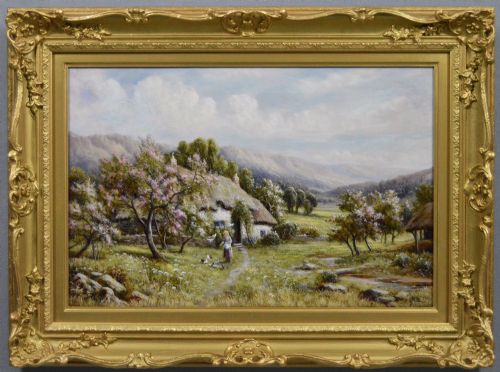
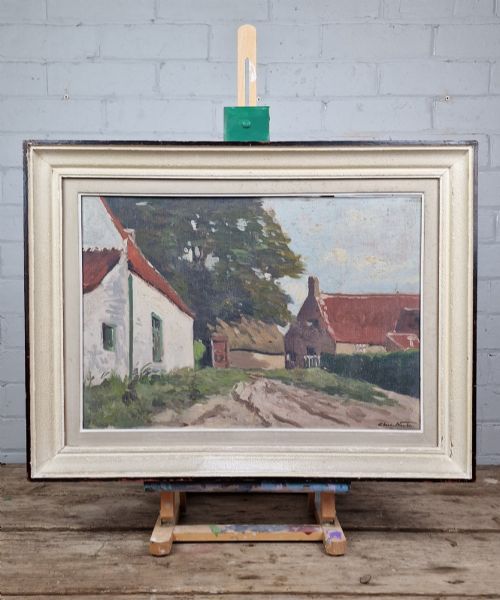
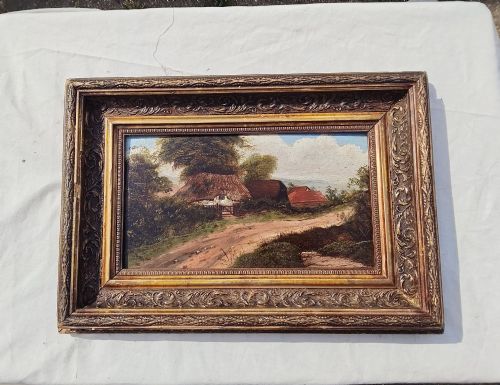
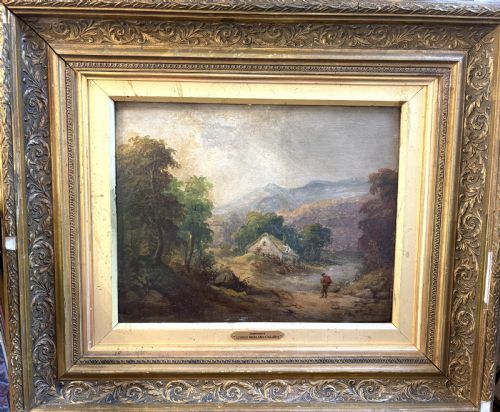

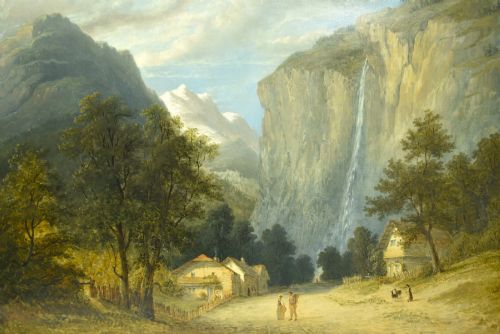


Cottage Landscape Oil Painting
A cottage landscape oil painting brings rural tranquility indoors through traditional brushwork and pastoral scenes.
Cottage Landscape Oil Painting
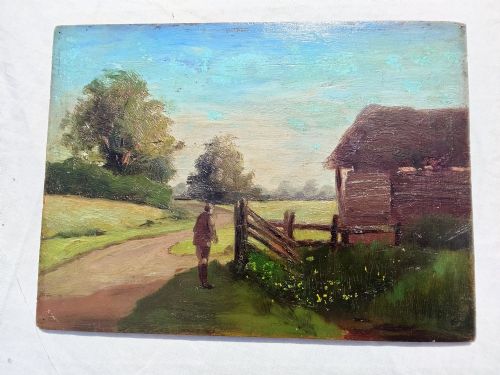
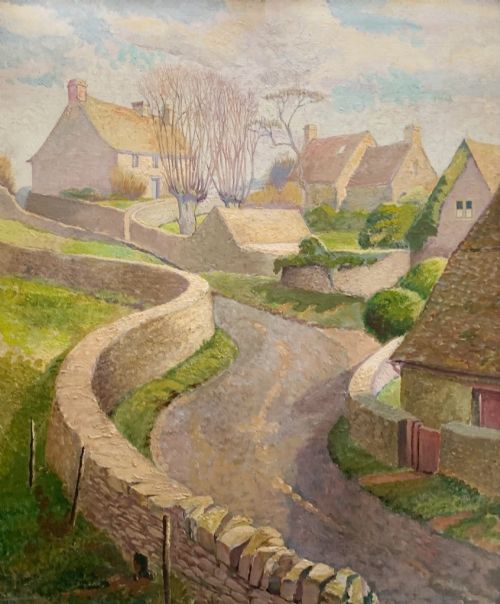
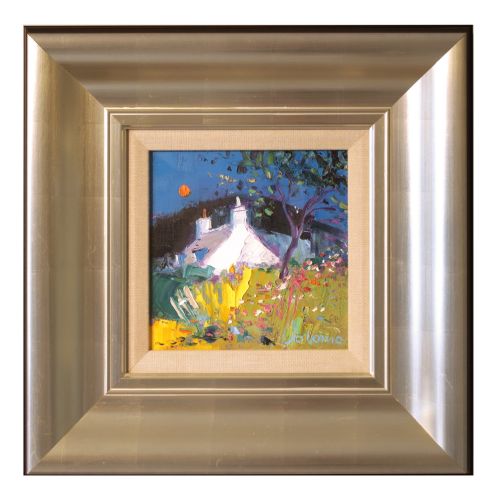
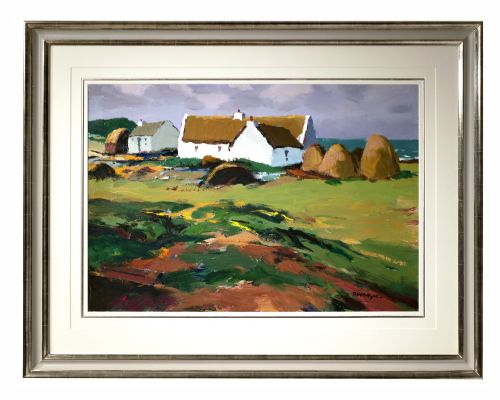
A cottage landscape oil painting portrays rural dwellings nestled within countryside, river, or mountain settings. These works capture historical rural life through depictions of thatched farmsteads, rustic bothies, and figures working the land.
The pieces on this page emerge primarily from the nineteenth and twentieth centuries, spanning Victorian, Edwardian, and mid-century periods. British, Scottish, and continental European schools form the majority of these pastoral compositions.
Buyers encounter panels, canvas supports, and occasionally card or board as the foundational surfaces for these rural depictions. Intricate gilt wood framing frequently accompanies these historical artworks.
Materials and Construction
Artists painted primarily using oil pigments applied to stretched canvas, wooden panels, or rigid board. These durable supports allowed for layered brushwork and rich texture builds.
Makers utilised gesso preparations on wooden panels and canvas grounds to seal the surface before applying oil paint. Ornate frames fashioned from gilt wood completed the presentation of these finished artworks.
Geese and ducks appear with stubborn regularity outside these painted cottages, occasionally supervising farm work with avian authority.
Distinctions in Execution
The articulation of light and atmospheric depth separates masterworks from routine studio output. Skilled painters render shifting daylight across thatched roofs and pastures with deliberate, confident strokes.
Compositional balance and anatomical accuracy in figures and animals indicate higher execution standards. Weaker examples rely on formulaic placement and repetitive foliage textures.
Robert John Hammond·Charles Houben·John Lowrie Morrison·Donald McIntyre·George Morland·John Horace Hooper·Mario Pinetti·Reginald Grange Brundrit·Frederick James Knowles·William Greaves·Charles Vickers·Robert Finley McIntyre·Ernest Higgins Rigg·Kershaw Schofield·Lorenzo Headley·Helmut Reuter·John Falconar Slater·Patrick Nasmyth·Robert Gemmell Hutchinson·Abraham Hulk Junior·Pierre Emmanuel Eugene Damoye·Harry Pennell·Ernest Walbourn·Singleton Jowett·Nicolas Victor Fonville
The Cottage Landscape Oil Painting Glossary
- Canvas
- A closely woven fabric stretched across a wooden frame to serve as a painting surface. Linen was traditionally preferred by professional painters for its fine, durable weave.
- Gesso
- A plaster mixture applied to wood panels or canvas to create a smooth, stable surface for oil paint. This preparatory layer prevents the oil from rotting the organic support beneath.
- Impressionism
- An art movement focusing on the visual impression of the moment, marked by visible brushstrokes and natural light depiction. British and Scottish variations adapted these principles to local rural scenery.
- Panel
- A flat piece of wood used as a rigid support for oil paintings instead of textile canvas. Panels offer stability and were frequently utilised during the nineteenth century.
Cottage Landscape Oil Painting: Frequently Asked Questions
Where were these rural scenes usually painted?
Artists typically painted en plein air or worked up studio canvases from field sketches made in rural regions. Common locales included Yorkshire, Devon, Scottish Highlands, and continental European farming communities.
Painters sought out picturesque agricultural spots featuring historic thatched cottages, rivers, and working farm animals to satisfy Victorian and Edwardian taste.
How should I clean an old canvas?
Historic painted surfaces require professional conservation rather than domestic cleaning methods. Accumulated surface dirt on varnished oil paintings should be assessed by a specialist to prevent damage to the delicate pigment layers.
Household cleaning agents or water will dissolve or cloud historical oil paint and varnish layers permanently.
Are these paintings signed by the artists?
Many examples bear artist signatures, monograms, or studio inscriptions, while others remain entirely unsigned. Unsigned works were frequently produced by regional art schools or commercial studio painters of the nineteenth century.
Attribution relies stylistic comparison, framing clues, and historical records when signatures are absent or illegible.
How do I date a nineteenth century work?
Dating relies upon stretcher construction, canvas stamps, framing styles, and the specific attire of figures depicted within the landscape. Pigment analysis and written documentation on the reverse also provide chronological markers.
Costume and architectural details in the depicted cottages offer reliable clues for narrowing the production era.