



Cotswold Arts and Crafts
Cotswold arts and crafts pieces are honest works of timber and metal built by hands that valued line and grain.
Cotswold Arts and Crafts
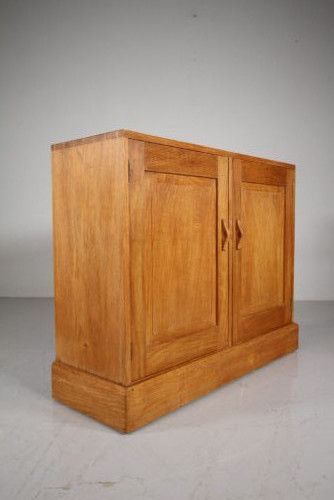
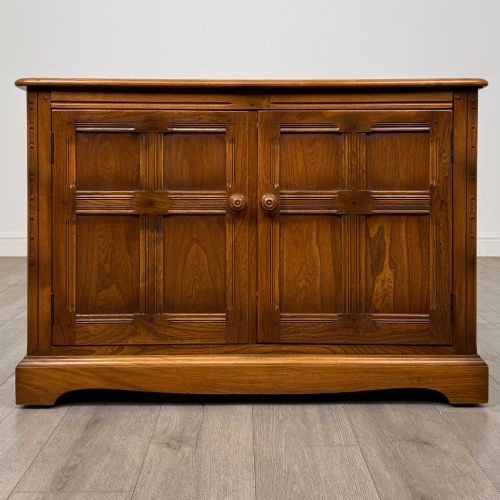
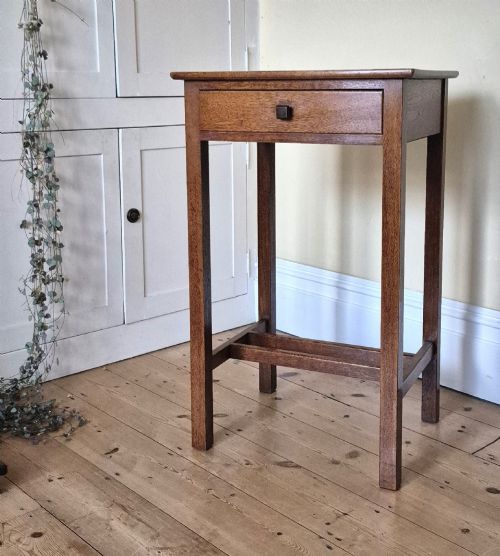
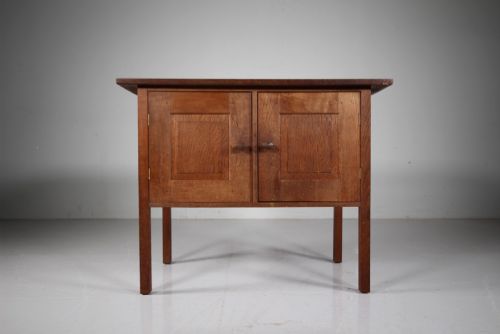
When you search for cotswold arts and crafts, you encounter functional furniture designed for daily use in dining rooms, bedrooms, and studies. The pieces span periods from the nineteenth century through the mid twentieth century, with a strong concentration from the nineteen-thirties.
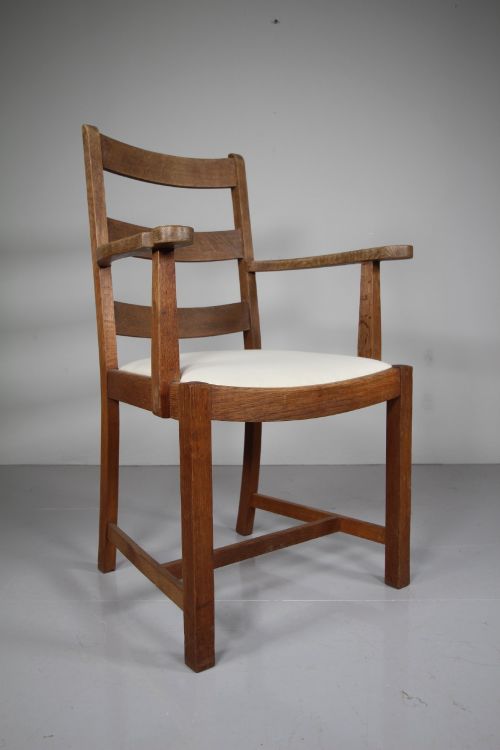
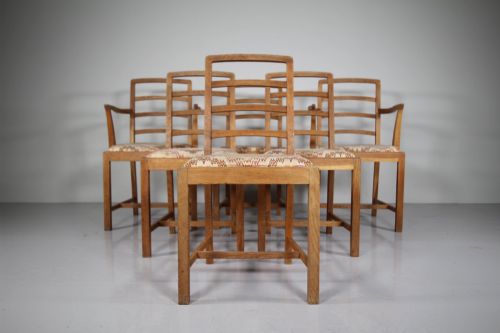
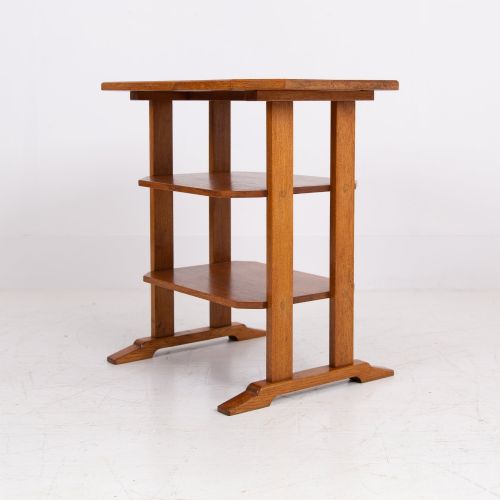
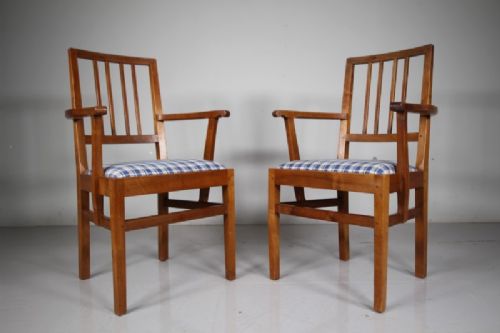
You meet dining chairs, side tables, armchairs, beds, sideboards, and cabinets shaped by regional English workshops and independent makers. Oak is the primary timber, supported by walnut, fruitwood, sweet chestnut, mahogany, and yew wood.
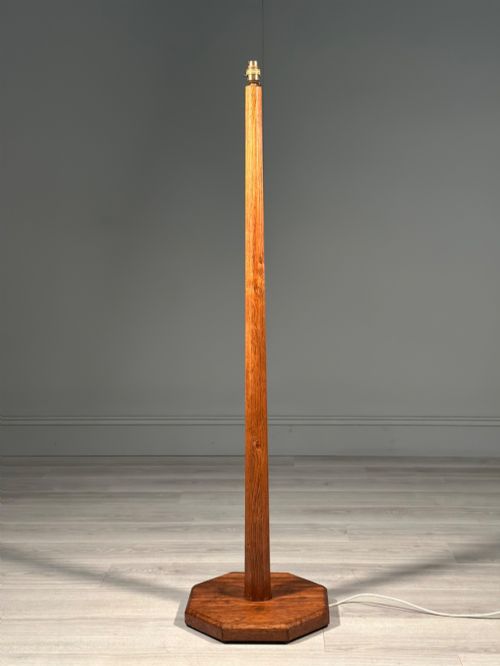
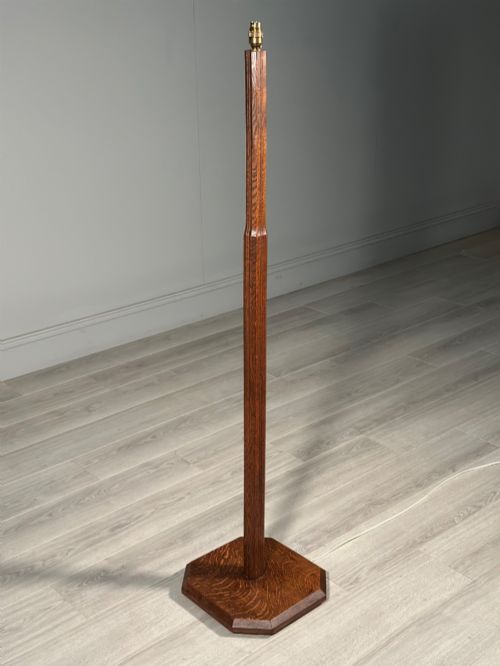
The forms remain grounded and unpretentious, relying on exposed joinery and timber selection rather than applied ornament. Many examples embody the Cotswold School idiom, balancing utility with direct craftsmanship.
How they were made
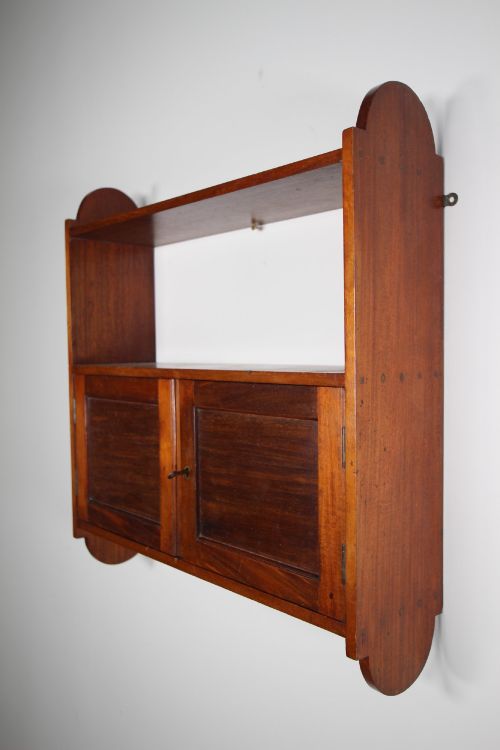
Makers constructed these items predominantly from solid timbers such as oak and walnut, supplemented by fruitwood and sweet chestnut. Timber selection dictated the character of each piece, showing natural grain and figured surfaces without heavy veneer.
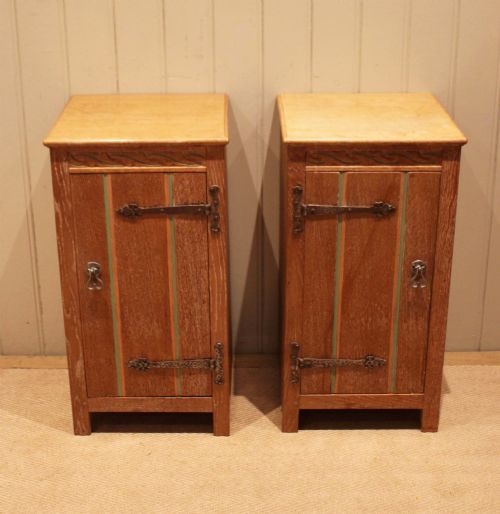
Metalwork in brass and iron appears on hinges, handles, and structural brackets, while rush provides seating material for chairs. Construction methods prioritized traditional joints, visible pegging, and hand-planed finishes.
Cotswold Arts and Crafts Retail Price Guide 2026
Typical asking prices for cotswold arts and crafts among the pieces listed under this phrase on Sellingantiques today, from the lower quarter to the upper quarter. They describe what is for sale here now, not the wider market.
Even the modest bookends receive dovetailed joinery.
What varies in quality
Quality rests in the fidelity of the timber selection and the precision of the hand-executed joinery. Pieces that retain makers' stamps or attribution to known workshops demonstrate documented provenance that elevates their standing.
Proportion and restraint separate standard utility items from masterworks of the movement. The refinement of surface treatment, from waxed oak to polished walnut, reveals the maker's discipline.
Heals of London·Jack Grimble·Stanley Webb Davies·Oliver Morel·Edward Barnsley·Arthur Basil Reynolds·Peter Waals·Hubert Simpson of Kendal·Gordon Russell·Lawrence Neal·Edward Gardener
The Cotswold Arts and Crafts Glossary
- Cotswold School
- A regional design movement rooted in traditional English woodworking methods and honest construction. Practitioners emphasised plain surfaces and visible structural joints.
- Refectory table
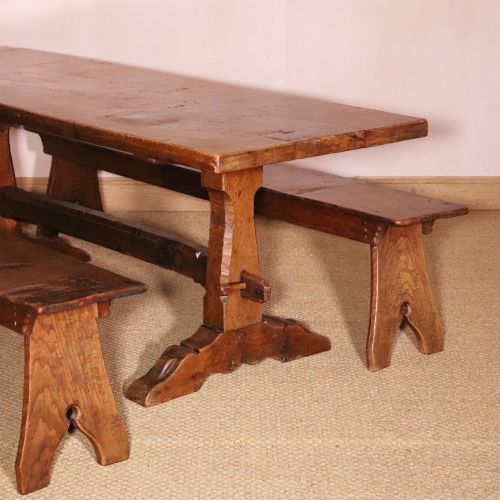
- A long dining table designed for communal meals, frequently constructed from solid oak with sturdy stretcher bases. These forms appear across the nineteen-twenties and nineteen-forties.
- Rush seating
- Woven marsh plant stems utilised for chair seats to provide flexible support. This traditional technique appears on chairs from the nineteen-thirties.
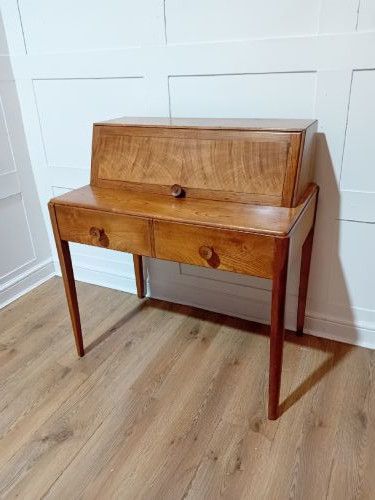
- Bureau
- A writing cabinet featuring a sloping fall-front that opens to reveal internal compartments and pigeonholes. Examples in this category showcase fitted drawers and solid timber construction.
- Limed oak
- A finishing technique applied to oak timber to lighten its natural tone and accentuate the grain pattern. This treatment appears on chests and storage pieces from the nineteen-thirties.
Cotswold Arts and Crafts: Frequently Asked Questions
What defines cotswold arts and crafts furniture?
These pieces originate from English regional workshops and individual makers who prioritized solid timber construction over mass production. The design language focuses on functional forms, visible joinery, and the natural qualities of oak, walnut, and chestnut.
You encounter dining tables, storage cabinets, and seating that reflect regional traditions and the influence of the Cotswold School. The aesthetic avoids superfluous ornament in favour of proportion and structural clarity.
How do I identify a cotswold school piece?
Examination of the construction reveals pegged joints, hand-planed surfaces, and solid timber construction without synthetic veneers. Many pieces from notable makers bear physical stamps or signatures directly into the wood.
The proportions tend to be sturdy and grounded, utilising native British hardwoods such as oak, fruitwood, and yew. Documentation or attribution to specific workshops further clarifies the origins of unmarked examples.
Were these items made for everyday use?
Makers constructed these objects to serve practical functions in domestic interiors, from dining chairs and refectory tables to wardrobes and desks. The robust use of solid oak and iron hardware ensured durability for daily household routines.
Over decades of use, the timber develops a warm patina through handling and polishing. This continuous utility demonstrates the successful marriage of functional design and sturdy craftsmanship.
How do I care for solid oak furniture?
Maintain timber surfaces by applying appropriate natural waxes periodically to nourish the wood and protect the grain. Keep pieces away from direct heat sources and rapid temperature shifts to prevent timber movement.
Clean surfaces with a dry or slightly damp cloth, avoiding harsh chemical polishes that strip the historic finish. Regular gentle care preserves the natural patina developed over decades.