





Cornish School Art
Cornish school art captures coastal life and landscapes through oil and watercolour, offering a direct connection to historic fishing communities and modernist movements.
Cornish School Art
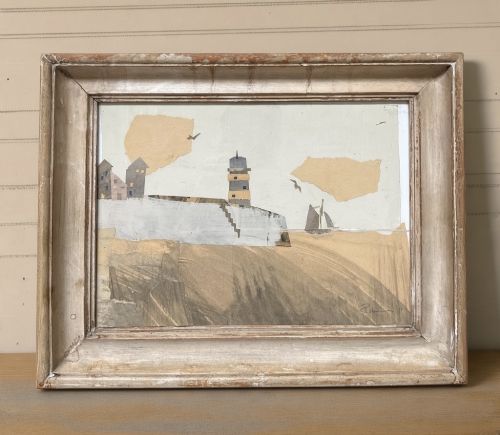
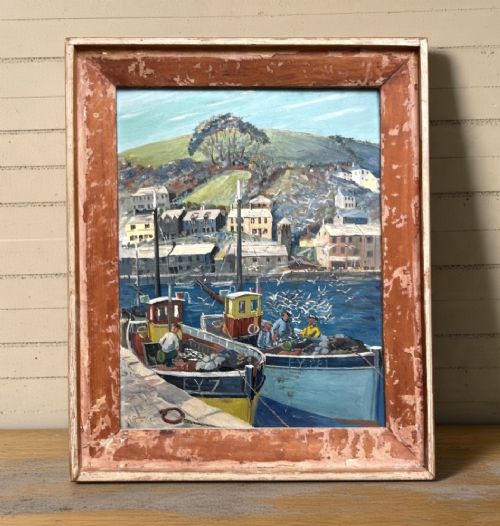
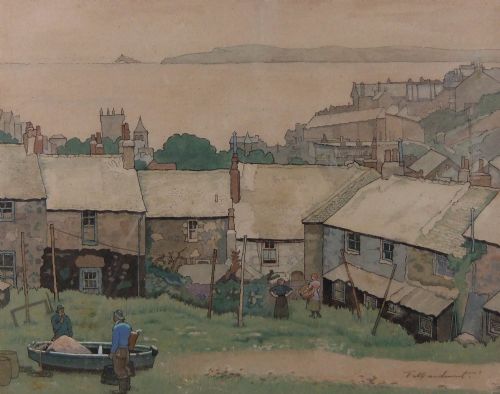
Cornish school art comprises paintings created across several centuries, reflecting the distinct coastal landscapes, harbours, and rural scenes of Cornwall. Buyers exploring this category encounter works ranging from early nineteenth-century marine watercolours to twentieth-century modernism and naive art.
Materials and methods
Artists working within this tradition primarily utilised oil paint on canvas or board, alongside watercolour applied to paper. These mediums suited both plein air sketching along the rugged coastline and more finished studio compositions.
Framed works often utilise wood surrounds that complement the period of the painting, preserving both paper and canvas supports.
Cornish School Art Retail Price Guide 2026
Typical asking prices for cornish school art among the pieces listed under this phrase on Sellingantiques today, from the lower quarter to the upper quarter. They describe what is for sale here now, not the wider market.
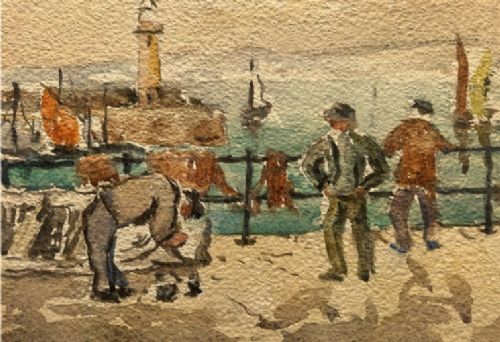
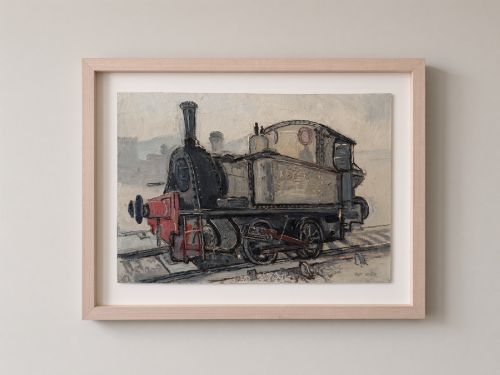
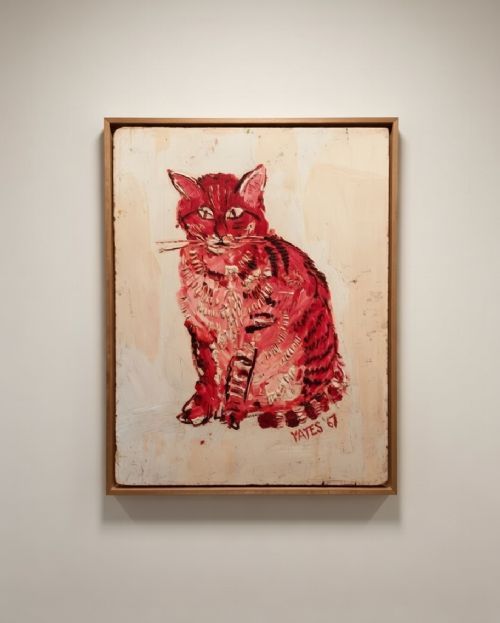
Steam locomotives occasionally share gallery space with Cornish fishermen and local cats.
Distinctions in quality
Quality in these works rests upon the artist's ability to capture light and atmosphere, particularly in marine and coastal subjects. Stronger examples demonstrate confident brushwork and a distinct personal interpretation of the landscape rather than purely mechanical recording.
The distinction between standard regional records and exceptional pieces often lies in the provenance and the artist's connection to established groups such as the St Ives or Newlyn schools.
Fred Yates·Thomas Maidment·Joan Gillchrest·Tony Giles·Denis Mitchell·George Turland Goosey·William Lambert Bell·Ralph Todd·William Lee Hankey·S J Lamorna Birch·Cuthbert Crossley
The Cornish School Art Glossary
- Newlyn School
- An art colony based in the Cornish fishing village of Newlyn during the late nineteenth and early twentieth centuries. Artists focused on naturalistic depictions of local plein air life.
- St Ives School
- A twentieth-century designation for artists based in and around St Ives, encompassing both traditional painters and leading figures of British modernism.
- Oil on Board
- A painting technique where oil paint is applied directly to a rigid wooden or composite board rather than stretched canvas. This method provided a stable and portable surface for outdoor painting.
- Watercolour
- A paint consisting of water-soluble pigments on paper supports. It was widely utilised for rapid topographical sketches and finished coastal scenes.
Cornish School Art: Frequently Asked Questions
What is Cornish school art?
Cornish school art encompasses paintings produced by artists inspired by the landscapes, harbours, and communities of Cornwall across various historical periods.
These works range from traditional nineteenth-century marine watercolours to mid-century modernist and naive interpretations.
Which materials were used?
Artists working in this region primarily used oil paint on canvas or board, alongside watercolour on paper.
These materials allowed painters to capture the distinct light and weather conditions of the Cornish coast.
How do I identify periods?
Periods are identified through stylistic approaches, clothing in figurative works, and documentation regarding the artist's active dates.
Early pieces often feature detailed maritime or rural realism, while later works lean towards modernism and expressive brushwork.
How should I display them?
These paintings suit traditional and contemporary interiors alike, particularly when paired with appropriate wooden frames that complement the artwork.
Direct sunlight should be avoided to protect watercolours on paper and oil pigments over time.