




Cornish Art Painting
A cornish art painting captures the particular light and rugged coastlines of the southwest peninsula through traditional maritime and landscape subjects.
Cornish Art Painting
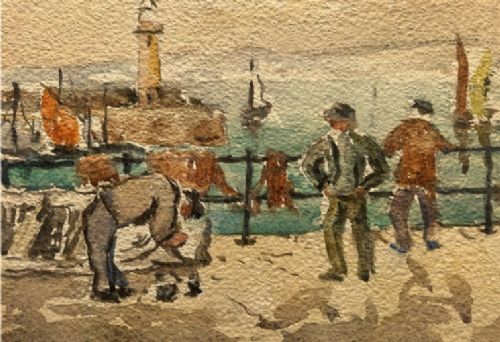
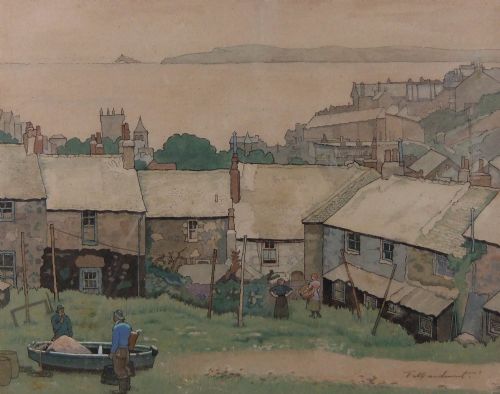
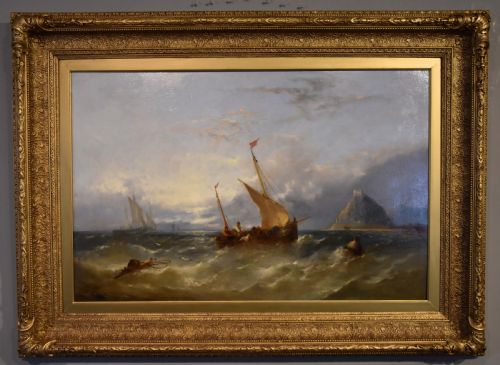
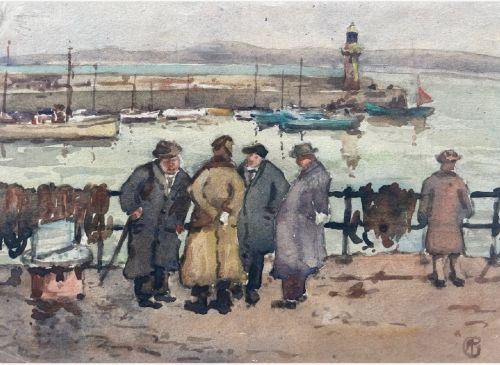
A cornish art painting gathers works produced across the nineteenth and twentieth centuries, spanning Victorian maritime studies to mid-century modern interpretations. These pieces record the changing light, bustling harbours, and fishing communities of ports like St Ives, Newlyn, and Polperro.
Buyers most frequently encounter watercolours and oil paintings on canvas or board, created by artists drawn to the distinct coastal geography of the region. The works range from tightly detailed nineteenth-century watercolours to looser impressionist and modernist oils.
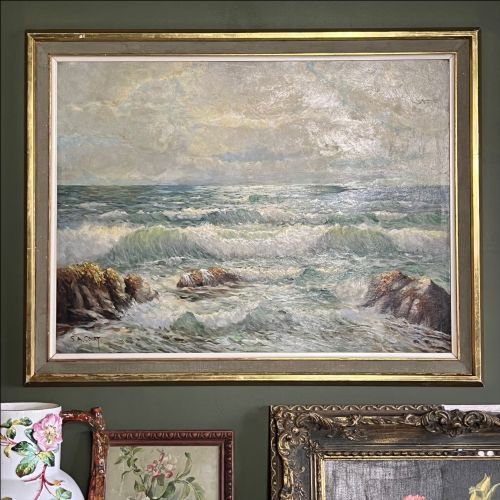
The selection reflects the output of established regional colonies and visiting artists who captured local scenes en plein air. Subjects focus heavily on working harbours, fishing luggers, crashing tides, and quiet village streets.
Materials and technique
Artists relied primarily on oil paint applied to canvas, board, or panel, alongside watercolour pigments worked onto heavy paper surfaces. These traditional media suited both studio composition and rapid outdoor recording of shifting weather.
En plein air techniques allowed painters to capture natural light directly on location along the exposed coastline. Brushwork varies from meticulous nineteenth-century academic detail to vigorous, impasto applications characteristic of later schools.
Framing typically involves gilt wood or moulded timber surrounds that complement the tonal palette of the maritime scenes.
Cornish Art Painting Retail Price Guide 2026
Typical asking prices for cornish art painting among the pieces listed under this phrase on Sellingantiques today, from the lower quarter to the upper quarter. They describe what is for sale here now, not the wider market.
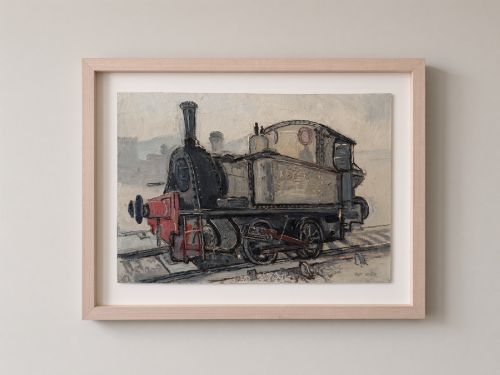
Steam locomotives occasionally share wall space with coastal fishing luggers, proving artists painted whatever caught their eye.
Assessing quality
Quality rests on the sureness of the brushwork and the artist's ability to render the specific atmospheric conditions of the Cornish coast. Stronger works demonstrate confident handling of light and shadow, particularly in complex marine settings.
The importance of the hand and the clarity of composition elevate certain pieces above standard topographical records. Provenance linked to recognised regional art colonies or documented exhibition history further distinguishes finer examples.
Fred Yates·Sidney A Court·William Banks Fortescue·Thomas Maidment·William Henry Williamson·George F Pennington·Joan Gillchrest·Tony Giles·Denis Mitchell·Edward Matthew Elliott·Charles Napier Hemy·Richard Harry Carter·Gyrth Russell·George Turland Goosey·Charles Sim Mottram·William Pitt·Ernest F Hill·Frederick Stuart Richardson·William Lambert Bell·Ralph Todd·Jack R Mould·William Lee Hankey·Walter Sweet·Hendrik Yan Wolter·S J Lamorna Birch
The Cornish Art Painting Glossary
- En plein air
- Painting outdoors to capture direct observation of natural light and weather. This practice defined much of the work produced by regional art colonies.
- Impressionism
- A style focused on accurate depiction of light in its changing qualities rather than rigid detail. British interpretations often retain strong structural drawing beneath looser paint applications.
- St Ives School
- A group of artists associated with the Cornish port who developed modernist and abstract approaches alongside traditional landscape painting. Their work marked a significant shift in twentieth-century British art.
- Newlyn School
- An art colony established in the late nineteenth century centred on realist depictions of local fisherfolk and village life. Painters worked closely with natural light and observed subjects directly in their daily routines.
- Watercolour
- A paint consisting of water-soluble pigments applied to paper. It allows for transparent washes and rapid sketching of coastal views.
Cornish Art Painting: Frequently Asked Questions
What subjects appear most often?
Harbours, fishing vessels, and coastal cliffs dominate the imagery across both watercolours and oils. Artists consistently returned to working ports like St Ives and Newlyn to record maritime activity.
Scenes of local towns, rural farmyards, and the specific play of light on the Atlantic swell also feature prominently throughout the selection.
How do I care for these paintings?
Keep works away from direct sunlight to prevent fading on watercolours and yellowing of varnish on oil paintings. Stable room humidity protects both canvas and paper supports from warping.
Glazed watercolours benefit from acid-free mounts and backing boards to ensure long-term preservation of the paper.
How can I tell the period?
Nineteenth-century works generally employ tighter academic brushwork and detailed narrative focus on maritime toil. Twentieth-century examples shift towards looser impressionist handling and bolder colour palettes.
Framing styles, artist signatures, and recorded exhibition labels often provide reliable chronological markers for dating individual works.
Where were these artists working?
Makers gathered primarily around established coastal settlements in Cornwall, attracted by the quality of the natural light and affordable living. Key locations included fishing villages along the southern and western peninsulas.
These communities fostered distinct regional schools that influenced British art for decades.