
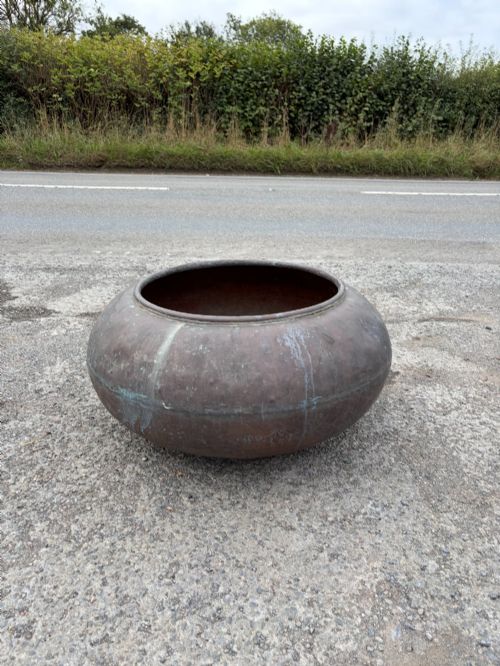
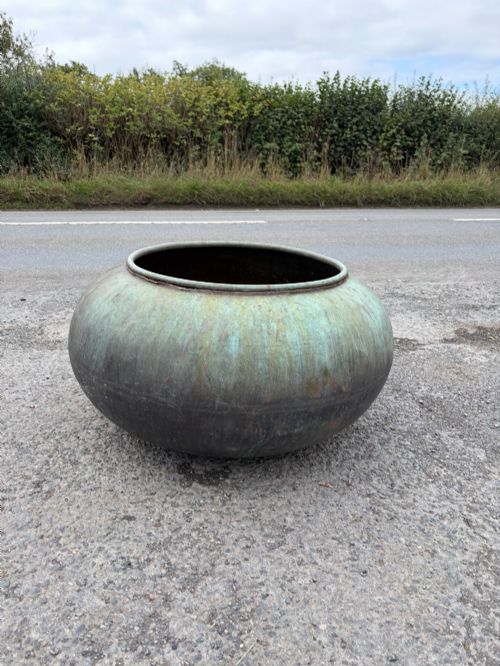
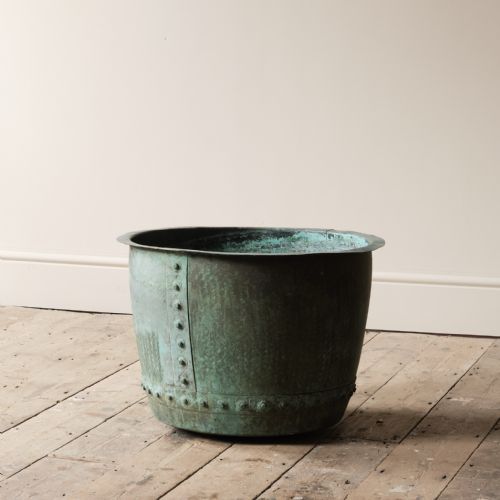
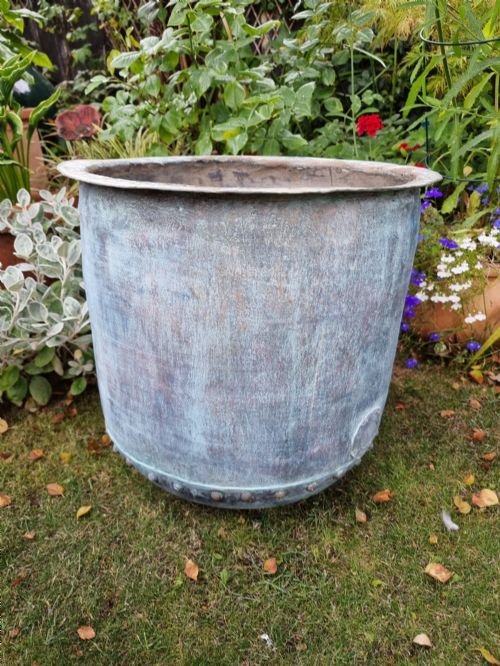


Copper Washing Boiler Tub
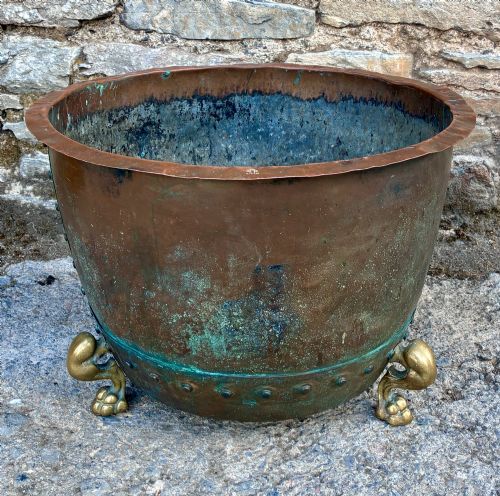
These heavy metal vessels built for laundering and boiling now serve as planters, log bins and garden display pieces.
Copper Washing Boiler Tub
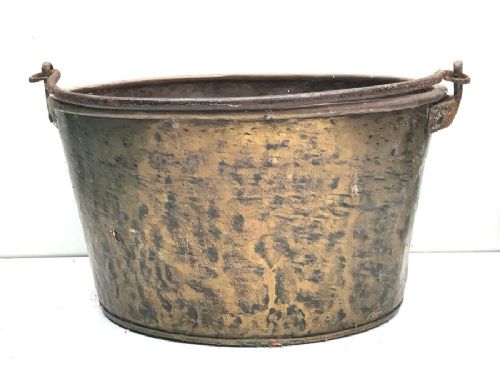
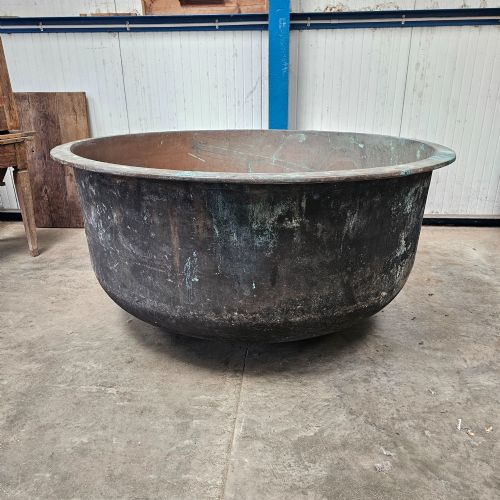
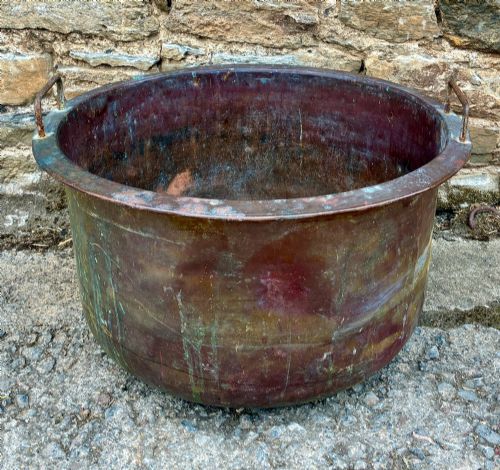
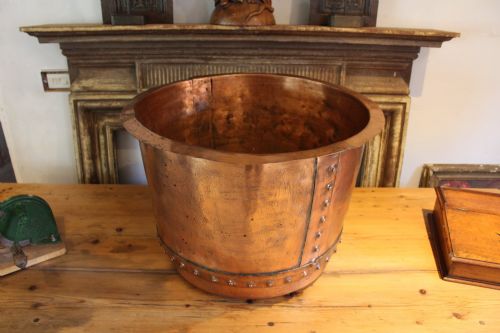
A copper washing boiler tub brings heavy utilitarian metalwork into the home and garden as large pots, log buckets and planters. Buyers seeking a copper washing boiler tub find substantial vessels dating from the eighteenth century through to the early twentieth century, with nineteenth-century examples predominating.
The selection encompasses diverse forms including French cheese vats, cauldrons, cooking pots and lidded log bins alongside standard wash tubs. Many pieces display the robust construction typical of Victorian utilitarian design, while others originate from French workshops.
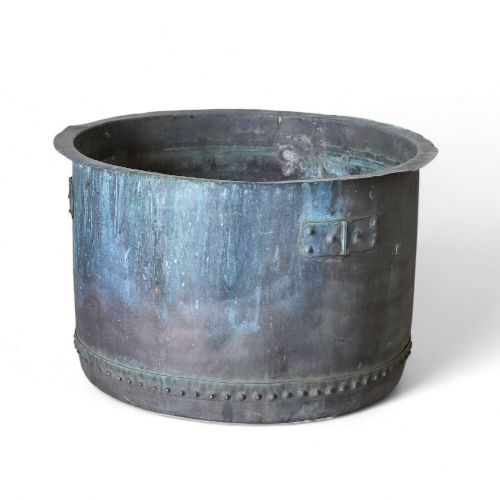
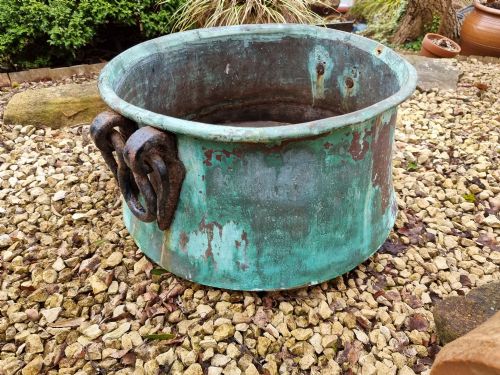
Most items retain traces of their original industrial or domestic purpose, often enhanced by patination, verdigris finishes and weathered surfaces. These repurposed vessels function primarily today as log holders by the hearth or as striking garden planters.
Assessing quality in antique copper vessels
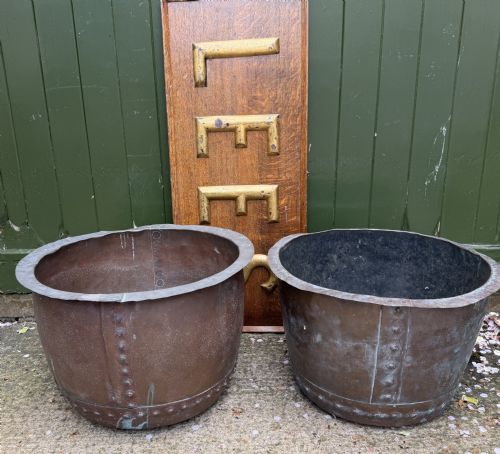
Quality rests upon the integrity of the metalwork, particularly the density and neatness of hand-riveting along the seams and joints. Substantial gauge copper retains its structural rigidity better over centuries than thinner sheet metal.
The character of the surface finish distinguishes superior examples, with desirable patinas showing authentic weathering, tone variation and verdigris rather than artificial treatment. Original iron swing handles and secure mounts add considerably to the integrity of the piece.
Many of these heavy laundry boilers escaped the scrap yard by finding a second career as oversized planters and rustic hearth log bins.
The Copper Washing Boiler Tub Glossary
- Patina
- The natural surface oxidation and sheen that develops on copper and iron over decades of age and exposure. This gradual accumulation of wear gives antique metalwork its distinct visual depth.
- Verdigris
- The green crust or patina that forms naturally on copper through atmospheric weathering. It indicates prolonged exposure to moisture and air over many years.
- Riveted
- Joined together using metal bolts or pins hammered flat at the ends to secure overlapping sheets. This technique predates modern welding and provides strong structural joints.
- Cauldron
- A large deep metal pot or kettle used traditionally over an open fire for boiling liquids. These vessels feature rounded bases and sturdy handles for lifting heavy loads.
- Log bin
- A deep container utilised beside a fireplace for storing firewood. Antique metal washing tubs are frequently repurposed for this role.
Copper Washing Boiler Tub: Frequently Asked Questions
How do I clean an antique copper tub?
Wash the vessel gently with warm soapy water and a soft cloth to remove surface dirt without disturbing the aged patina.
Avoid abrasive metal polishes and harsh chemicals that strip away the authentic verdigris and weathered character accumulated over centuries.
Can I use these copper tubs outside?
These robust metal vessels adapt readily to outdoor settings, functioning effectively as garden display pots and large plant containers.
Ensure adequate drainage if planting directly inside the tub to prevent standing water from accelerating internal corrosion.
How do I date an old copper boiler?
Examine the construction methods, noting whether the seams are hand-riveted with irregular spacing or joined by later industrial techniques.
Consult the overall form and accompanying ironwork, as eighteenth and nineteenth-century examples typically display heavier gauge metal and forged iron handles.
What is verdigris on copper?
Verdigris is the blue-green chemical layer that forms naturally on copper surfaces when exposed to moisture and oxygen over long periods.
Collectors prize this stable atmospheric finish as genuine proof of great age and environmental weathering.