



Copper Wall Lamps
Copper wall lamps bring warm metallic glow and enduring metalwork to hallways and porches, valued for their robust build and decorative presence.
Copper Wall Lamps
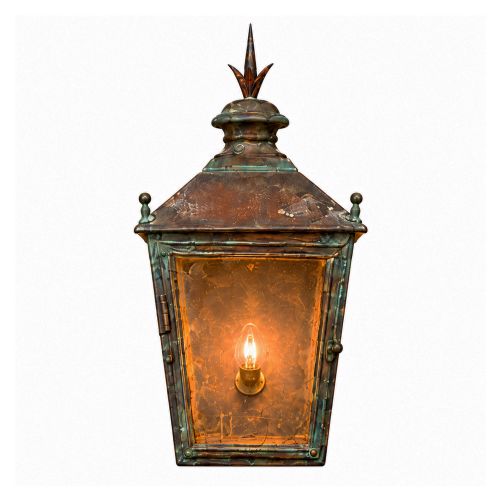
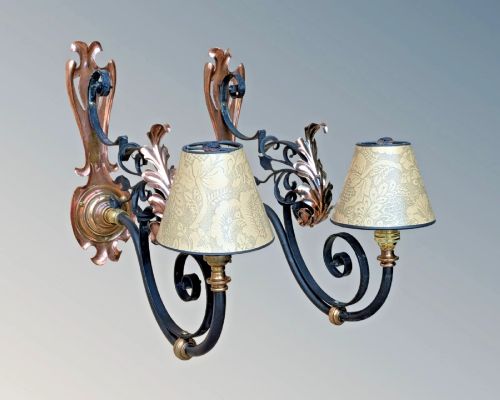
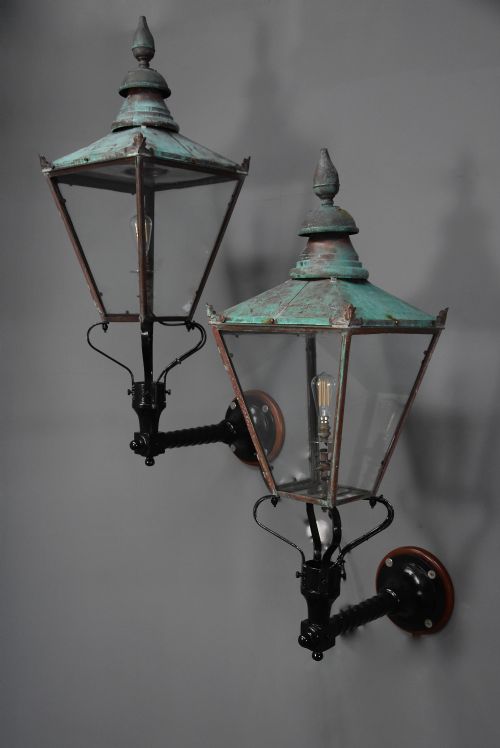
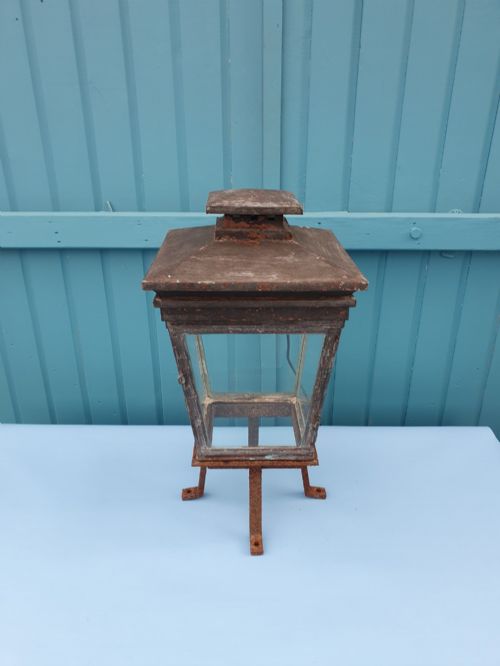
When you search for copper wall lamps, you encounter a varied selection of exterior and interior lighting fixtures designed to mount directly onto vertical surfaces. The items on this page span several decades and styles, ranging from robust street lanterns to refined interior wall sconces.
The assortment includes pieces from the nineteenth century up through the nineteen-forties. You will find examples influenced by Arts and Crafts design, Edwardian taste, Amsterdam School styling, and Victorian utility.
Most entries combine copper with other metals and glass to form functional illumination. Pairs of wall lights and single lanterns appear frequently across the current selection.
How they were made
The construction of these fixtures relies heavily on sheet copper shaped alongside brass, wrought iron, and cast iron. Artisans employed hand-chasing techniques and metal manipulation to form structural brackets and decorative lantern housings.
Many designs incorporate glazed panels of glass to protect the inner light source from drafts and weather. Early examples reflect conversion from gas burners to electric fittings while retaining their original metal chassis.
Copper Wall Lamps Retail Price Guide 2026
Typical asking prices for copper wall lamps among the pieces listed under this phrase on Sellingantiques today, from the lower quarter to the upper quarter. They describe what is for sale here now, not the wider market.
Railway carriage lamps from eighteen-eighty once illuminated the journeys of Victorian passengers before finding a new life on static walls.
What varies in quality
Distinction across the range lies in the complexity of the metalwork and the integrity of the supporting brackets. Sophisticated spiral twist wall brackets and detailed hand-chased ornamentation indicate a higher degree of artisan effort.
The choice of secondary materials, such as wrought iron framework or heavy cast brass mounts, influences the solidity of the piece. Matching pairs demonstrate greater uniformity in construction than single modified utility lamps.
The Copper Wall Lamps Glossary
- Gas conversion
- The adaptation of an antique lighting fixture originally designed to burn gas so that it houses modern electrical wiring. This process preserves the original metal body while ensuring contemporary utility.
- Hand-chased
- A metalworking technique where patterns are hammered directly into the surface of the copper without removing material. This adds texture and decorative depth to the metal.
- Porch lantern
- An enclosed outdoor lighting fixture positioned near an entrance to provide illumination and shelter against weather. These often feature glass panels held within a metal frame.
- Amsterdam School style
- An architectural and design movement from the early twentieth century characterised by expressive brickwork, organic forms, and rich surface ornamentation. Metal objects in this style display fluid, sculptural lines.
Copper Wall Lamps: Frequently Asked Questions
What periods do these lamps cover?
The pieces span from the nineteenth century through the mid twentieth century. Specific items originate from the Victorian era, the Edwardian period, and the nineteen-thirties and nineteen-forties.
Design influences range from traditional Arts and Crafts workshops to continental Amsterdam School aesthetics and industrial railway applications.
Were these lights meant for indoors?
The selection includes both interior and exterior fixtures designed for different settings. Porch lanterns and street lamps served outdoor spaces, while smaller sconces and carriage lamps functioned closer to living areas.
Many exterior pieces utilise durable metals like wrought iron and heavy copper to withstand exposure to the elements.
How do I identify a converted gas lamp?
Converted gas lamps retain the heavier metal supply pipes or burner assemblies hidden within their upper chambers. The external copper housing reflects nineteenth-century proportions and ventilation caps.
Inspect the internal wiring pathways to see where modern electrical components integrate with the antique chassis.
What materials accompany the copper?
Makers combined copper with brass, wrought iron, and cast iron to provide structural strength and contrasting colour. Glass panels enclose the light sources on the lantern forms.
Some variants incorporate wooden backs or painted finishes alongside the primary metal elements.