



Copper Fire Kerb
A copper fire kerb is a hearth surround that grounds a room with warm metal, and collectors prize them for their distinct period character.
Copper Fire Kerb
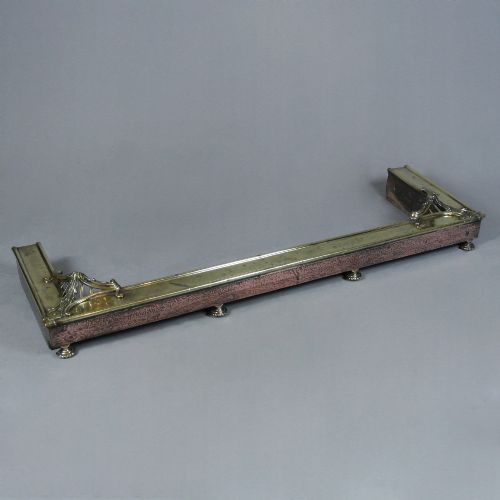
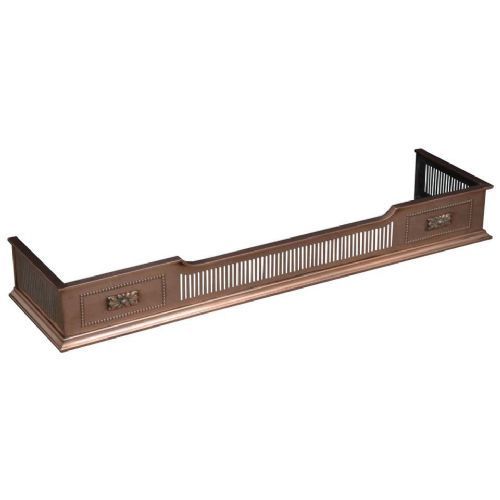
A copper fire kerb defines the hearth and protects the room from stray embers, typically encountered as a low metal surround framing the fireplace opening. These hearth furnishings appear across Victorian, Edwardian, and turn-of-the-century periods, bringing a warm metallic focal point to the fireplace.
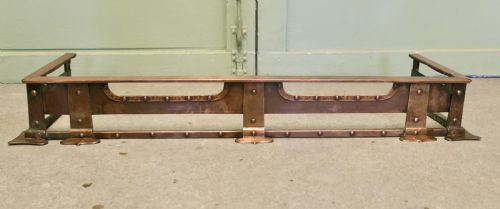
The pieces listed on this page span styles from plain industrial metalwork to ornate decorative designs. Buyers most frequently meet examples displaying Arts and Crafts or Art Nouveau characteristics alongside straightforward Victorian forms.
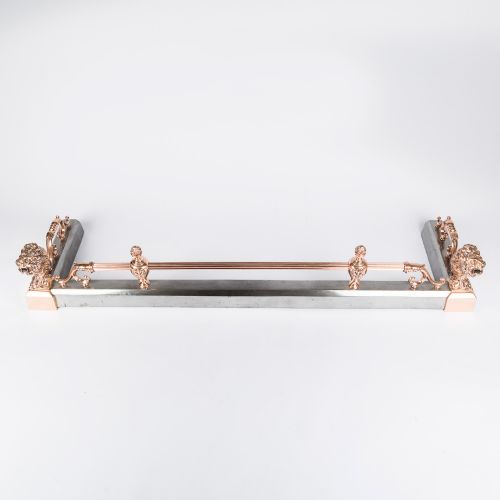
Makers of the period utilised combinations of metals, framing copper bodies with iron, steel, or brass. The resulting fireplace accessories range from simple low kerbs to elaborate hearth surrounds with integrated seats or plinths.
How they were made
Craftsmen built these kerbs using sheet copper shaped over structural iron or steel frames to provide rigid support around the hearth. Rivets, beaten surfaces, and applied brass or iron details define the construction methods recorded in the evidence.
Workshops employed hand-hammering and repoussé techniques to texture the copper panels, often incorporating floral patera or abstract motifs. Polished finishes highlight the natural warmth of the metal, contrasting with blackened iron components.
Copper Fire Kerb Retail Price Guide 2026
Typical asking prices for copper fire kerb among the pieces listed under this phrase on Sellingantiques today, from the lower quarter to the upper quarter. They describe what is for sale here now, not the wider market.
Current listings feature pieces spanning the Victorian and Edwardian eras, predominantly fashioned from copper combined with iron, brass, and steel.
What varies in quality
Quality in a copper fire kerb rests on the weight of the metal and the integrity of the construction rather than surface gleam. Heavier gauge copper and secure structural riveting distinguish better workshops from lighter production pieces.
The refinement of the decorative detail sets apart the finest examples, such as hand-beaten Arts and Crafts textures and carefully cast brass appliqués. Pieces with integrated iron bases and robust corner joints display superior manufacturing standards.
The Copper Fire Kerb Glossary
- Copper fire kerb
- A low metal barrier placed around a fireplace hearth to contain fuel and ash. These items serve both a protective and a decorative function in period rooms.
- Arts and Crafts
- A design movement favouring hand-craftsmanship and honest materials over mass production. Pieces from this tradition often feature exposed rivets and hand-beaten surfaces.
- Art Nouveau
- A style characterised by flowing, organic lines and stylised floral motifs. Kerbs in this taste display whiplash curves and botanical ornamentation.
- Patera
- A circular decorative plaque resembling a classical libation dish, frequently stamped or cast with floral patterns. They appear applied to the corners or front panels of hearth fenders.
- Fender
- An alternative term for a fire kerb or hearth guard. It creates a defined perimeter between the open fire and the room.
Copper Fire Kerb: Frequently Asked Questions
How do I clean a copper fire kerb?
Maintenance depends on the desired finish, though gentle dusting and occasional waxing preserve the aged patina. Avoid harsh abrasive cleaners that strip the historic surface.
Many collectors prefer to leave the natural oxidation undisturbed as a sign of age. Light polishing with a suitable metal cream suits bright polished examples.
What is the difference between a kerb and a fender?
The terms are largely interchangeable when describing fireplace surrounds of this type. Both refer to the low metal barrier placed around the hearth.
Historical listings use both names to describe identical functional guards. Regional terminology often dictates which word appears in the title.
How do I date an antique fire kerb?
Dating relies on stylistic clues such as Art Nouveau curves or Arts and Crafts hand-beating techniques. Victorian and Edwardian examples show distinct manufacturing methods and decorative motifs.
Construction details like rivet types and underlying iron frames also help establish the period. Comparing the piece with documented archive examples confirms the era.
Were these kerbs used with coal or wood fires?
These metal surrounds were designed to sit around domestic fireplaces burning coal, peat, or wood. They acted as a practical barrier to keep fuel and embers contained within the hearth.
The sturdy iron and steel internal frames withstood the daily heat of the fireplace. They served as a permanent fixture in the principal rooms of the house.