



Copper Decorative Plaque
These copper decorative plaque examples span Victorian wall art to Meiji chargers, offering tactile metalwork for interior display.
Copper Decorative Plaque
A copper decorative plaque encompasses wall chargers, trays, plates, and embossed panels produced across the eighteenth, nineteenth, and early twentieth centuries. Buyers search for these items to secure historical metalwork featuring repoussé, cloisonné enamel, and beaten surfaces designed for display.
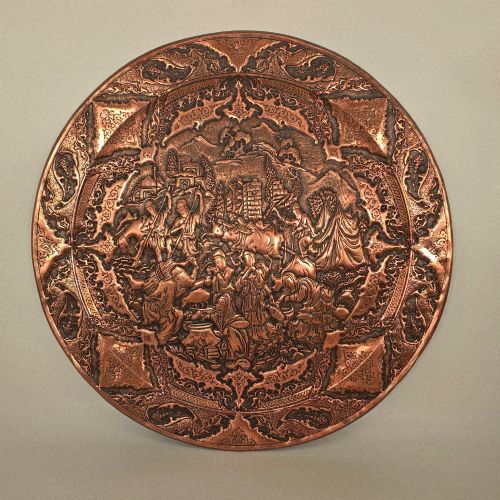
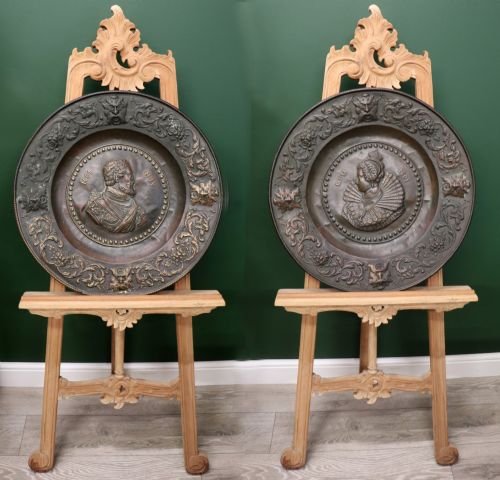
The selection on this page leans heavily toward Arts and Crafts chargers, Japanese Meiji period cloisonne enamel plates, and Indo-Persian repoussé work. Pieces range from large circular wall chargers and trays to specific decorative plaques depicting portraits, animals, and mythological scenes.
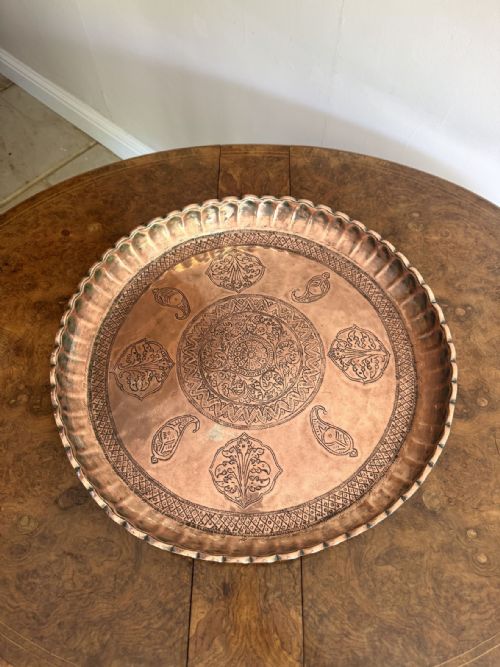
Origins stretch from British workshops and South Staffordshire to Japan, India, and the Middle East. Forms vary from simple hand-pierced trays to heavy bronze plaques and framed beaten copper panels.
Materials and construction methods
The construction centres on copper, often paired with brass, bronze, enamel, and gilt metal, sometimes mounted on wood or finished with silver plating. Artisans shaped these materials using hammer and anvil, resulting in hammered, beaten, and repoussé surfaces.
Enamelling techniques, particularly cloisonne, define the Japanese pieces on the page, where coloured glass pastes fill wire compartments on a metal base. Other items utilise hand-piercing, mixed-metal inlay in the Komai style, and detailed enamel painting as seen in Limoges works.
Copper Decorative Plaque Retail Price Guide 2026
Typical asking prices for copper decorative plaque among the pieces listed under this phrase on Sellingantiques today, from the lower quarter to the upper quarter. They describe what is for sale here now, not the wider market.
Listings feature items spanning the 18th Century through to the 1920s, incorporating Victorian and Edwardian production alongside Meiji period Japanese metalwork.
Factors separating standard items from superior works
Depth and crispness of hand-working dictate visual success in repoussé and beaten copper panels, where sharp relief and controlled hammering distinguish master smiths from routine production. The precision of wirework and the richness of the enamel palette separate fine cloisonne chargers from simpler wares.
Complexity of subject matter and signature status elevate certain examples, such as signed Japanese plates or items attributed to known enterprises like the Faulkner Bronze Company and the Newlyn School. The integration of mixed metals and the preservation of original patination remain central to overall merit.
Faulkner Bronze Company
The Copper Decorative Plaque Glossary
- Repoussé
- Metalworking technique where a design is hammered into relief from the reverse side. This method creates tactile three-dimensional patterns on the surface of chargers and plaques.
- Cloisonne
- Enamelling method using thin metal wires soldered to a base to create cells filled with paste. Japanese examples from the Meiji period utilise this technique for intricate pictorial scenes.
- Charger
- Large ornamental plate intended for display on a wall or sideboard rather than dining use. These form the dominant scale of metalwork in this category.
- Komai Style
- Japanese metal inlay technique involving iron or steel encrusted with gold and silver. It appears on detailed dishes alongside bronze and copper elements.
- Arts and Crafts
- Design movement prioritising handcraftsmanship and natural motifs like pomegranates and foliage. Pieces from this tradition often feature visibly beaten copper surfaces.
Copper Decorative Plaque: Frequently Asked Questions
What is a copper decorative plaque?
A copper decorative plaque is a wall-hanging or display piece fashioned from sheet copper, often decorated with hammered designs, enamel, or repoussé work. These items served ornamental purposes in Victorian and Edwardian interiors.
They encompass everything from Japanese cloisonne chargers to Arts and Crafts beaten panels and Indo-Persian pierced trays.
How were antique copper chargers displayed?
Antique copper chargers and decorative plaques were typically hung directly on walls or set upon sideboards to catch the ambient light. Their reflective metallic surfaces added warmth and texture to Victorian and Arts and Crafts interiors.
Many large chargers feature integrated hanging loops or heavy construction intended for secure wall mounting.
How do I identify Arts and Crafts copper?
Arts and Crafts copper work is characterised by visible hammer marks, hand-beaten textures, and motifs inspired by nature, such as pomegranates, foliage, and animals. These pieces often lack mass-produced regularity.
Some significant examples carry workshop attributions or signatures linked to groups like the Newlyn School or the Faulkner Bronze Company.
What is the difference between Japanese Meiji and European copper?
Japanese Meiji period metalwork frequently incorporates intricate cloisonne enamel, mixed-metal inlay, and precise pictorial depictions of dragons, koi, and samurai. European counterparts from the same era lean towards Gothic revival portraits, repoussé floral motifs, and the hand-beaten aesthetics of the Arts and Crafts movement.
While both utilise copper as a primary canvas, the decorative vocabularies and chemical treatments of the metal surface differ significantly between the regions.