

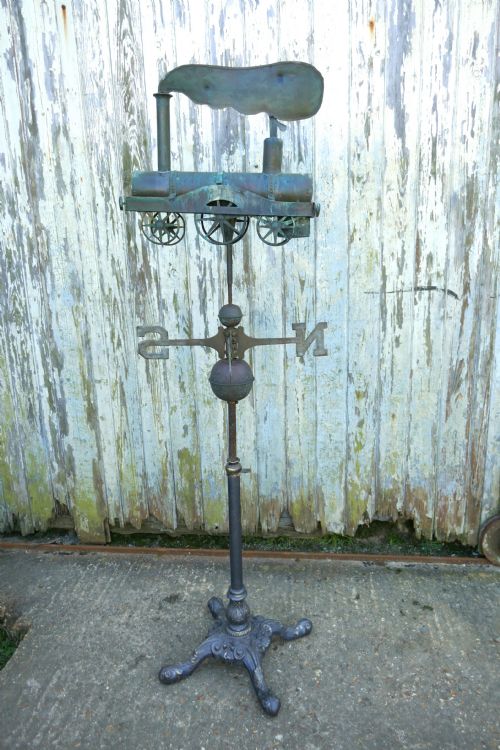


Copper Art Sculpture
These copper art sculpture pieces combine vernacular utility and decorative presence, bringing tactile warmth and metalwork character into modern interiors.
Copper Art Sculpture
A copper art sculpture encompasses varied forms including weather vanes, trade signs, wall reliefs, and independent figures spanning the eighteenth to the twentieth centuries. Buyers searching for a copper art sculpture frequently encounter vernacular objects, architectural elements, and folk art interpretations rooted in British and international traditions. The material expresses itself through weathered surfaces, beaten sheet metal, and cast components developed across multiple decades.
Pieces originating from the nineteenth and early twentieth centuries dominate the selection, bringing distinct patination formed by exposure and age. Folk art examples share space with neoclassical plaques, industrial pieces, and tribal figures, demonstrating the broad scope captured under this heading. Each object retains the marks of its original function or artistic intent, whether intended for exterior mounting or interior display.
Materials and construction
Makers shaped sheet metal and cast copper into sculptural forms, frequently combining these components with iron brackets, wooden mounts, and stone supports. Beating, riveting, and soldering formed the primary techniques for weather vanes and trade signs, allowing artisans to construct hollow, three-dimensional animal and symbol figures. Engraved details and relief work on wall panels reveal precision cutting and hammering directly into the metal surface.
The integration of secondary materials like brass, paper, and ink appears across specific plaques and graphic works associated with the broader material record. Surface treatments range from natural oxidation to applied patination and bronzing, creating durable finishes designed to withstand elements or age gracefully indoors.
Copper Art Sculpture Retail Price Guide 2026
Typical asking prices for copper art sculpture among the pieces listed under this phrase on Sellingantiques today, from the lower quarter to the upper quarter. They describe what is for sale here now, not the wider market.
Listings feature periods from the eighteenth century up to the 1940s, utilising copper, iron, wood, and stone.
Assessing quality and character
Quality rests upon the sculptural strength of the form, the dexterity of the metalworking, and the depth of the natural patination accumulated over time. Superior examples display confident silhouette lines and deliberate hand-hammered detailing that elevates a utilitarian object into compelling folk art or decorative sculpture. The harmony between the primary copper element and any surviving iron or wooden mount contributes significantly to the integrity of the piece.
Condition involves the preservation of the original surface skin rather than sterile restoration, valuing honest wear, stable oxidation, and minor structural ageing. Pieces that retain their original mounting brackets or show exceptional vitality in their modeling stand apart within the category.
The Copper Art Sculpture Glossary
- Weather vane
- An architectural instrument mounted on roofs to show wind direction, typically featuring a directional arrow and a decorative sculptural top such as a cockerel. These functional objects formed a major category of early metal sculpture.
- Trade sign
- A bold dimensional object or board hung outside a shop to advertise a trade or profession to passers-by. They relied on instantly recognisable silhouettes made from sheet metal.
- Wall relief
- A sculptural technique where figures or designs project minimally from a flat background plane. Cast or beaten copper panels utilised this method to depict classical or allegorical scenes.
- Folk art
- Artistic work created within a cultural tradition by self-taught or untrained makers, prioritising utility and expressive form over academic rules. Pieces often use readily available materials like copper and sheet metal.
- Patina
- The surface coloration and texture developed on metal through age, handling, and environmental exposure. Collectors value this natural skin for confirming authenticity and historical depth.
Copper Art Sculpture: Frequently Asked Questions
What is a copper art sculpture?
A copper art sculpture is a three-dimensional or relief object fashioned from copper, encompassing traditional weather vanes, trade signs, architectural plaques, and folk art pieces. These items bridge utilitarian craftsmanship and decorative display.
They reflect the aesthetic priorities of makers from the eighteenth century through to the mid-twentieth century, utilising the malleable properties of sheet and cast metal.
How were old weather vanes used?
Weather vanes were mounted on the highest points of barns, steeples, and civic buildings to catch the wind and indicate its direction to local communities.
Their striking sculptural forms served as visible landmarks while performing a practical meteorological function for farmers and mariners.
How should I display these pieces?
These sculptures suit interior wall mounting, tabletop presentation, or placement on custom stands depending on whether they were originally designed for architectural display or as flat panels.
Ensuring stable support protects fragile joints and historical mounting points from undue stress.
How do I identify the period?
Dating relies on stylistic clues, construction methods such as hand-riveting versus modern welding, and the character of the surface patination.
Comparing the form against documented examples from Victorian, Edwardian, and earlier eras helps narrow down the approximate decade of manufacture.