



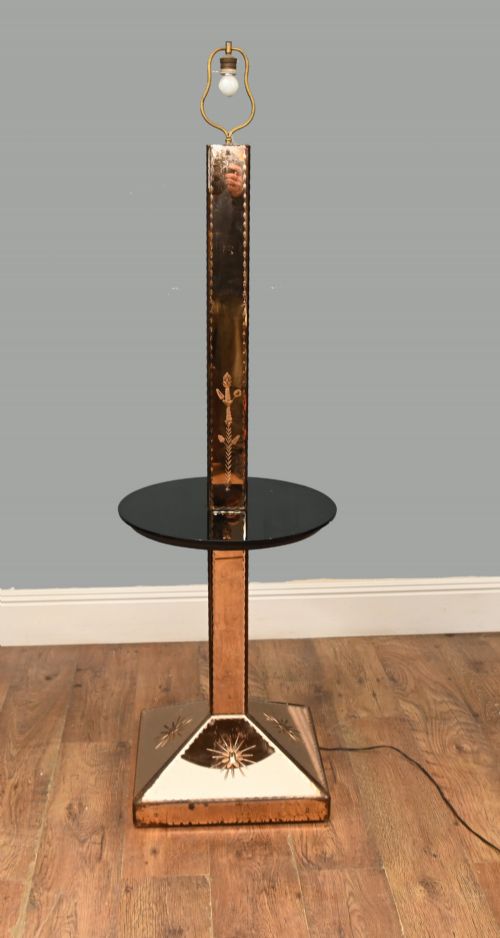

Copper and Glass Light
A copper and glass light brings together warm metal and translucent panes to illuminate a room with architectural character.
Copper and Glass Light
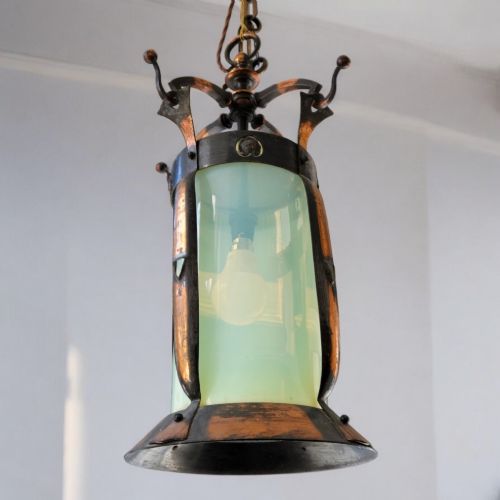
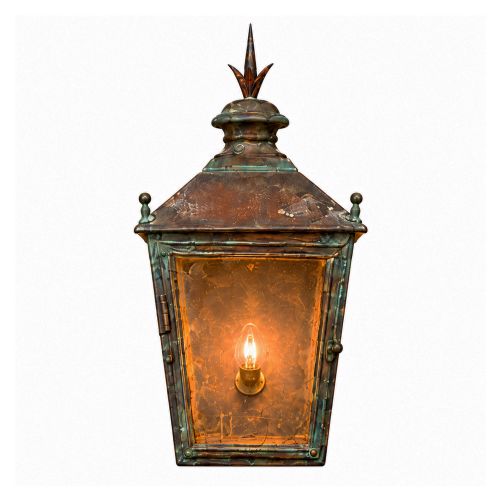
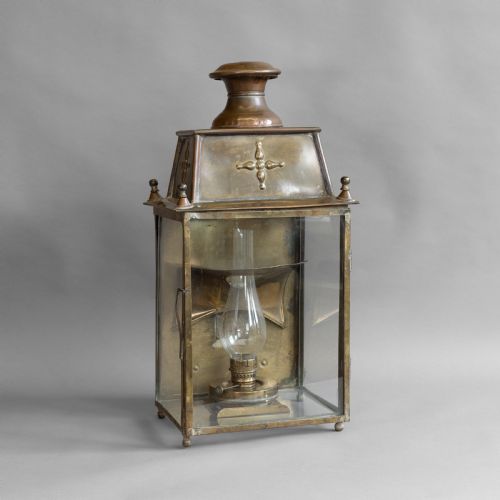
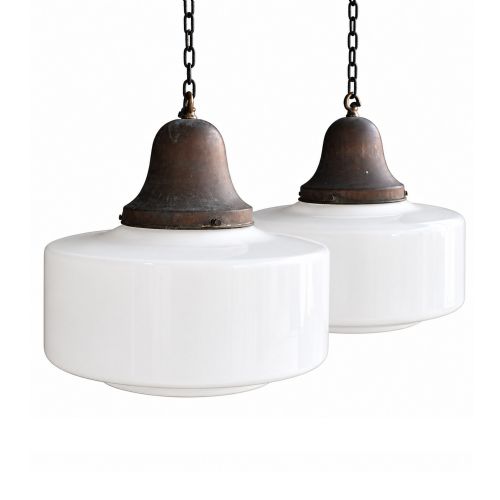
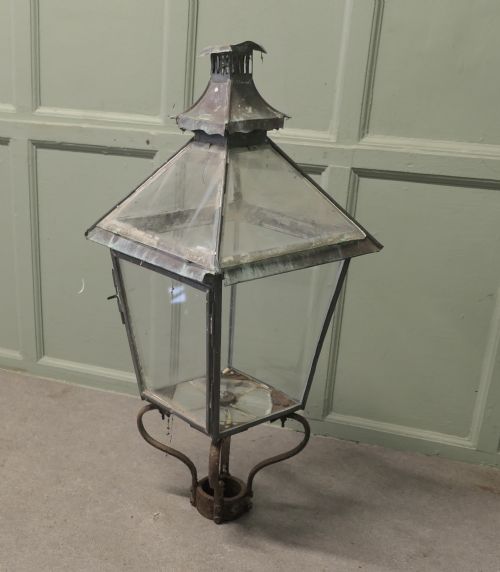
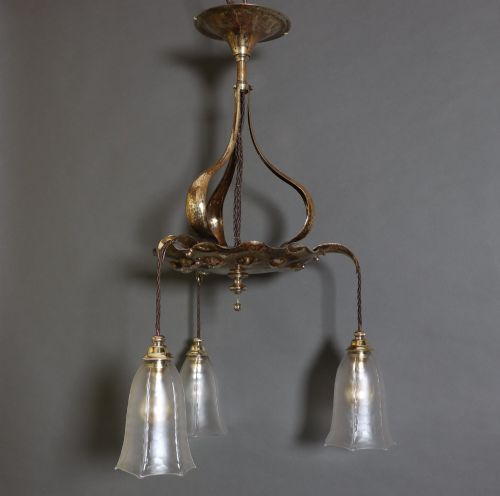
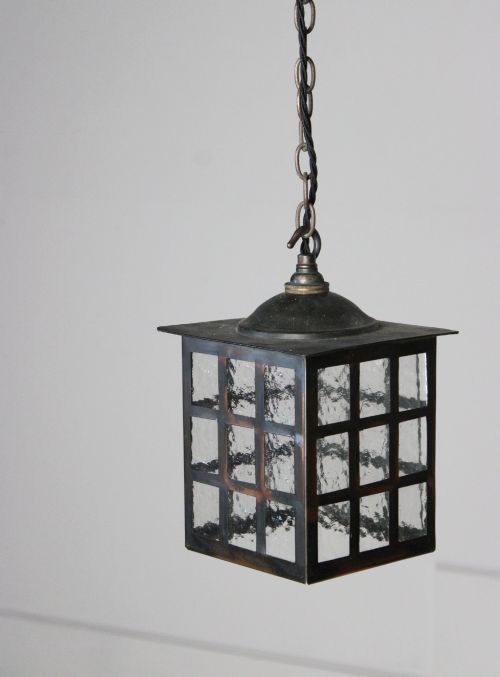
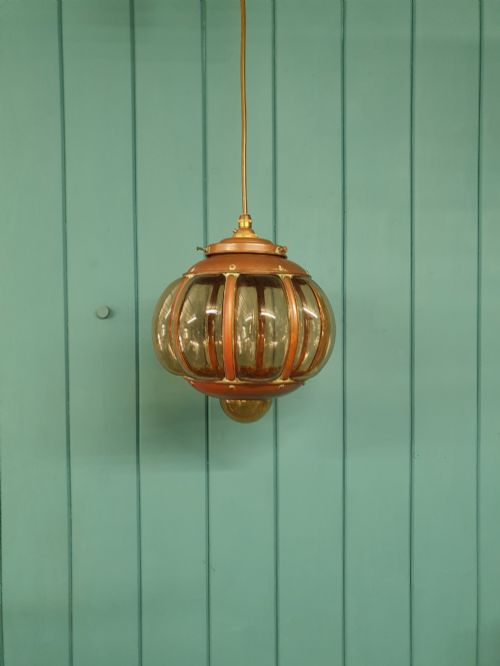
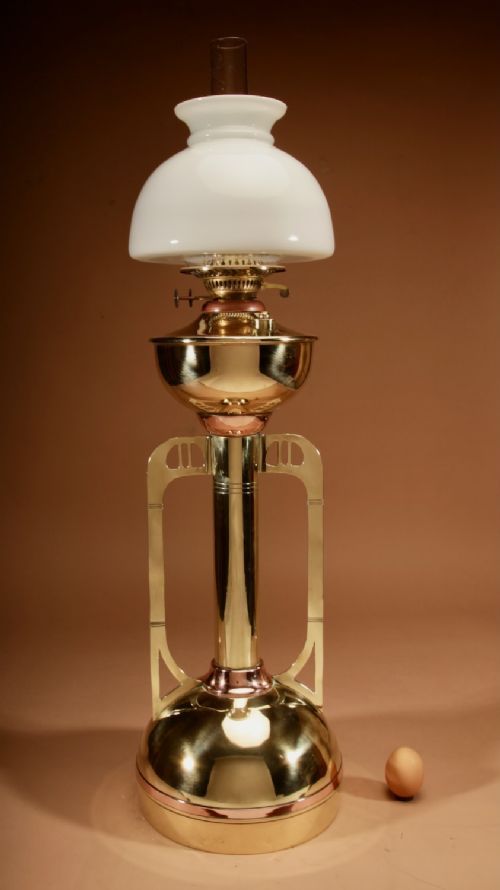
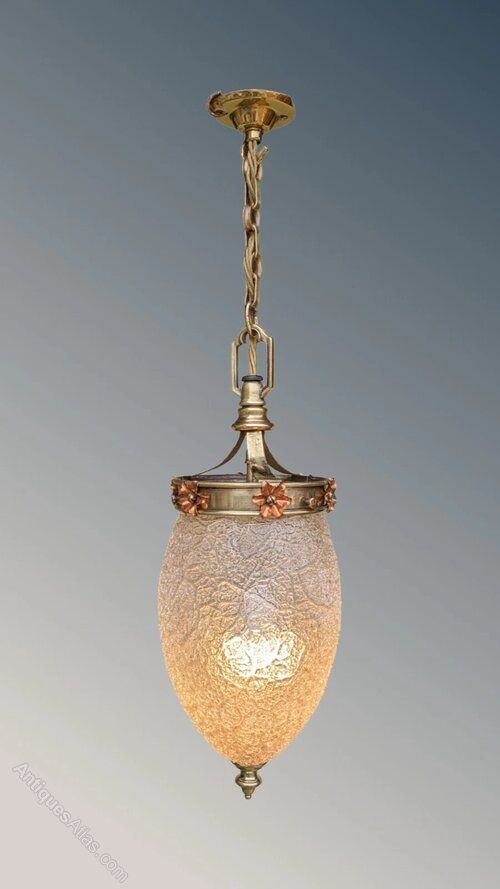
When you search for a copper and glass light, you encounter hanging lanterns, ceiling lights, pendants, wall lights, and floor lamps from the nineteenth century through the mid-twentieth century. The selection ranges from industrial street lights and railway hanging lanterns to domestic Arts and Crafts pendants and Art Deco chandeliers.
You are most likely to meet wall lanterns, hall lanterns, and pendant lights originating from the Victorian, Edwardian, and Art Deco periods. These pieces often combine utilitarian origins, such as railway or street use, with decorative domestic design.
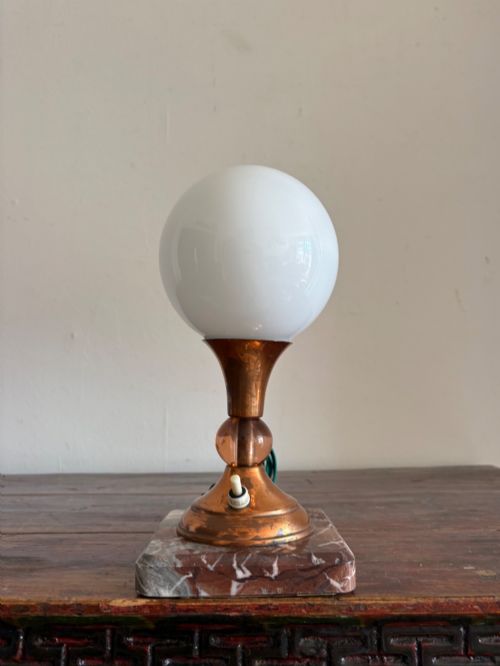
The materials span plain and beaten copper paired with clear, frosted, opaline, stained, or smoked glass, sometimes supported by brass, iron, or steel frames.
Materials and technique
The construction relies on sheet copper formed into bodies, frames, and shades, often joined with brass rivets, solder, or iron structural supports. Planished and beaten surface treatments show manual hammer work, particularly on Arts and Crafts examples.
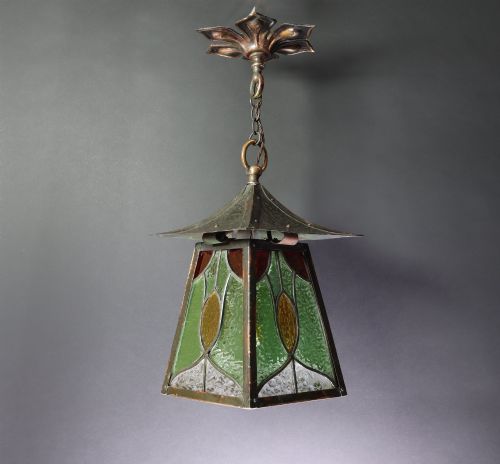
Glazing techniques include leaded stained-glass panels, curved glass inserts, and blown opaline or vaseline shades fitted securely into metal collars. Frames frequently incorporate brass or iron components to provide rigidity for heavier street and railway lanterns.
Copper and Glass Light Retail Price Guide 2026
Typical asking prices for copper and glass light among the pieces listed under this phrase on Sellingantiques today, from the lower quarter to the upper quarter. They describe what is for sale here now, not the wider market.
Listings feature copper combined with clear, frosted, opal, stained, and smoked glass across Victorian, Edwardian, and Art Deco periods.
Judging the range
The distinction between ordinary utility items and exceptional pieces lies in the articulation of the metalwork and the integrity of the glass. Hand-beaten surfaces and signed designs by known makers elevate a piece above standard mass-produced industrial stock.
Proportion and material thickness dictate the presence of a light, where heavier gauge copper and well-matched original glass panels retain their structural and visual balance over time.
Maison Jansen·Andre Arbus·Gustave Serrurier Bovy·Jean Gauthier·A Benson
The Copper and Glass Light Glossary
- Planished
- Metalwork finished with light hammer blows that leave a textured, light-reflecting surface pattern. This technique is typical of Arts and Crafts metalwork.
- Opaline glass
- An opaque or translucent white glass that softens and diffuses bulb illumination evenly. It appears frequently in Art Deco and Edwardian light fittings.
- Vaseline glass
- A pale yellow-green glass containing uranium dioxide that glows under ultraviolet light. It is often found on late nineteenth and early twentieth century oil lamps.
- Lantern
- An enclosed lighting fixture with glass sides designed to protect the flame or bulb from drafts. These units hang from ceilings or mount directly to exterior and interior walls.
Copper and Glass Light: Frequently Asked Questions
Where were these copper and glass lights used originally?
Many of these fixtures served practical roles in domestic hallways, railway stations, and exterior street settings. Their robust construction allowed them to withstand outdoor weather or heavy daily use.
Over time, utility designs transitioned into interior domestic spaces where their utilitarian charm became a decorative feature.
How do I distinguish an Arts and Crafts light?
Arts and Crafts lighting typically displays hand-beaten or planished copper surfaces alongside leaded stained-glass panels. The construction emphasises visible craftsmanship rather than factory uniformity.
These pieces usually date from around nineteen hundred and avoid excessive ornamentation in favour of honest material expression.
What glass types are common in Art Deco fittings?
Art Deco lighting frequently incorporates opaline glass, frosted panes, or smoked glass panels within geometric copper or brass frames. These glass types soften the light output while complementing the clean lines of the period style.
Original shades often feature moulded textures or subtle colour variations unique to twentieth-century glasshouses.