





Coopered Brass Bucket
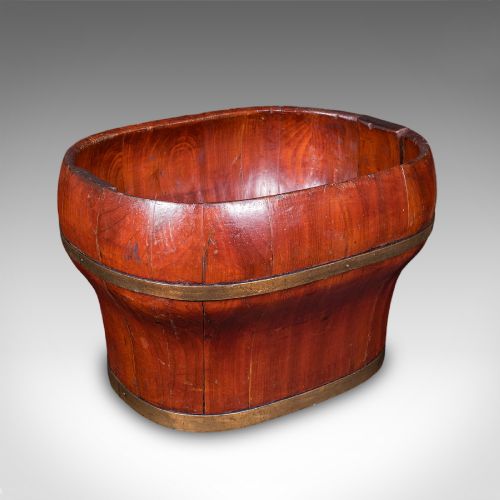
A coopered brass bucket brings warmth and tactile grain to a room, holding logs, wine or dried stems with quiet authority.
Coopered Brass Bucket
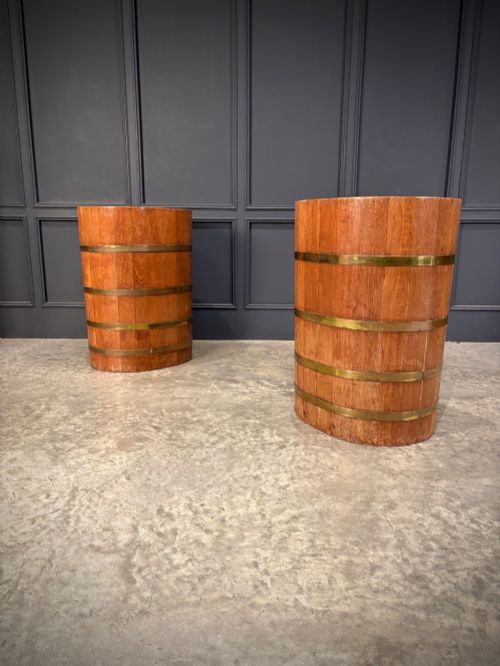
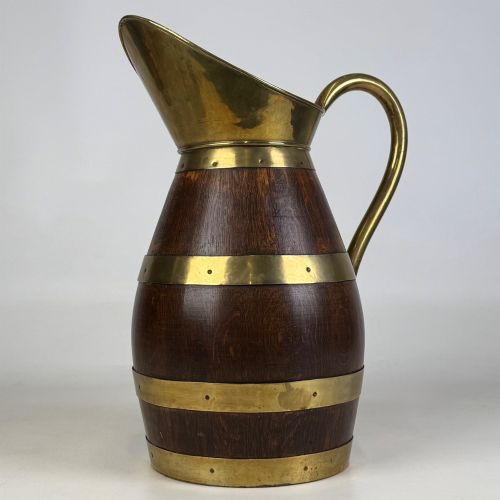
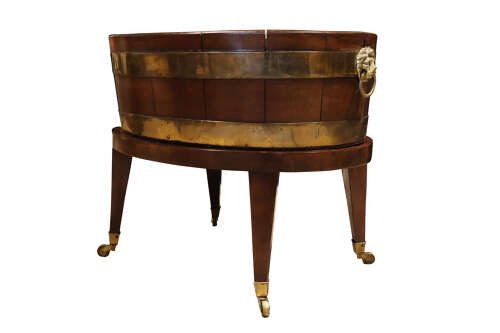
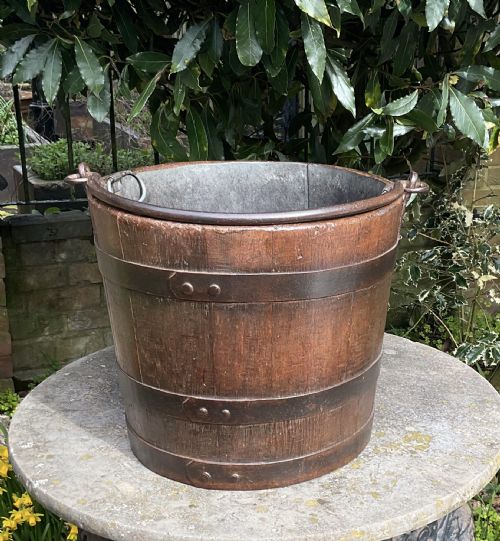
A coopered brass bucket is built from vertical wooden staves held tightly by heavy metal bands, following the traditional construction methods of barrel makers. When you search for a coopered brass bucket, you find versatile vessels that served historically as wine coolers, peat buckets, coal bins and umbrella stands.
Most examples on this page date from the Georgian period through to the early twentieth century, encompassing both refined mahogany wine coolers and sturdy oak or walnut country pieces. Dutch traditional designs frequently appear alongside English country and formal styles, reflecting a long European tradition of stave-built metal-bound vessels.
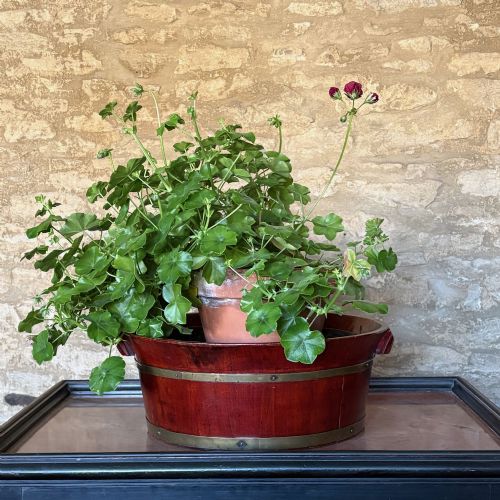
These objects adapt easily to modern interiors as umbrella stands in hallways, planters in living spaces, or fireside companions for logs and kindling. Their durable construction ensures they remain functional everyday items rather than purely decorative curiosities.
What varies in quality
The distinction between ordinary utility pieces and finer examples rests on the selection of timber and the precision of the joinery. Dense, highly figured mahogany or well-matched quarter-sawn oak with tight, seamless stave joints indicates superior workshop standards.
Quality also shows in the weight and finishing of the brass work, where thick, hand-beaten or cast metal hoops with secure rivets outlast thin, machine-pressed alternatives. Original surface patination on both the wood and the metal separates honest, undisturbed survivors from heavily restored items.
Coopered Brass Bucket Retail Price Guide 2026
Typical asking prices for coopered brass bucket among the pieces listed under this phrase on Sellingantiques today, from the lower quarter to the upper quarter. They describe what is for sale here now, not the wider market.
The Coopered Brass Bucket Glossary
- Coopered
- Built from curved wooden staves joined edge-to-edge and bound with metal hoops, exactly like a cask or barrel. This ancient technique allows timber to withstand outward pressure and moisture.
- Stave
- One of the narrow, tapered strips of wood that form the sides of a bucket or barrel. Their precise edge-bevelling ensures the vessel holds its shape under tension.
- Jardiniere
- An ornamental pot or stand for holding plants and flowers, often taking the form of a brass-bound wooden bucket. They protect indoor surfaces while displaying greenery.
- Cellarette
- A lockable or open container used in dining rooms for holding bottles of wine and spirits. Many Georgian versions utilise coopered wooden construction with brass bands.
- Teestoof
- A Dutch footstove or peat bucket used for domestic heating, frequently taking a coopered wooden form with metal mounts. Peat embers were placed inside to warm rooms or carriages.
Coopered Brass Bucket: Frequently Asked Questions
What were coopered brass buckets used for?
These vessels originally served specific domestic tasks such as cooling wine at the dining table, storing peat or coal by the fireplace, or holding umbrellas in the hallway. Their robust construction handled heavy, damp materials like melting ice or wet logs.
Today, buyers repurpose them as planters for large houseplants, stylish wastepaper bins, or sophisticated umbrella stands. Their versatility allows them to function in almost any room of the house.
How do I tell a Georgian piece from a later one?
Georgian pieces, particularly those from the eighteenth century, typically feature fine timbers like figured mahogany, hand-dovetailed or pegged components, and elegant proportions designed for formal dining rooms. Their brass hoops are often hand-forged and integrated with refined swing handles.
Later Victorian and Edwardian examples tend to use sturdy oak or walnut with heavier, more utilitarian brass bands. They often reflect a revival of country styles and were produced in greater quantities for general domestic service.
Are these buckets waterproof?
While many historic coopered vessels were built to hold liquids like wine and ice or damp peat, age can dry out the wooden staves and shrink the joints. Natural expansion and contraction over the centuries mean some pieces are no longer completely watertight.
If you plan to use one as a planter or flower holder, it is wise to place a modern plastic or metal liner inside to protect the historic wood from prolonged contact with standing water.
How do I care for the brass and wood?
Maintain the timber by dusting it gently with a dry cloth and feeding the wood occasionally with a quality beeswax to preserve its natural moisture and grain. Avoid placing wooden buckets near direct heat sources like radiators, which can cause the staves to shrink and crack.
Polish the brass bands sparingly with a soft cloth, taking care not to smear cleaner onto the surrounding wood. Leaving a natural, aged patina on the metal is often preferred by collectors.