




Continental Wooden Box
A continental wooden box brings centuries of regional craft, from painted pine marriage chests to intricate walnut caskets.
Continental Wooden Box
A continental wooden box encompasses storage pieces originating from European regions outside Britain, ranging from small table caskets to large coffers and blanket chests. These objects serve everyday utility and decorative storage, spanning centuries of local woodworking traditions.
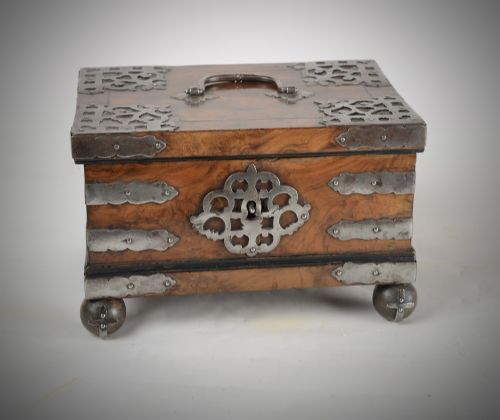
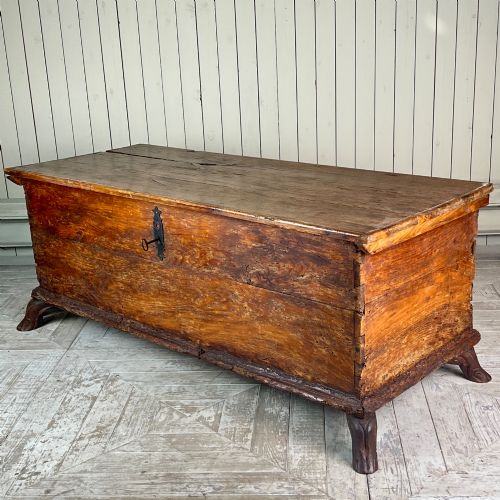
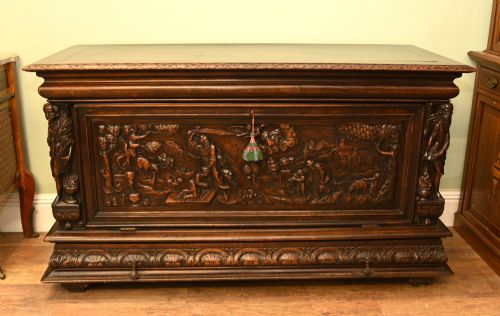
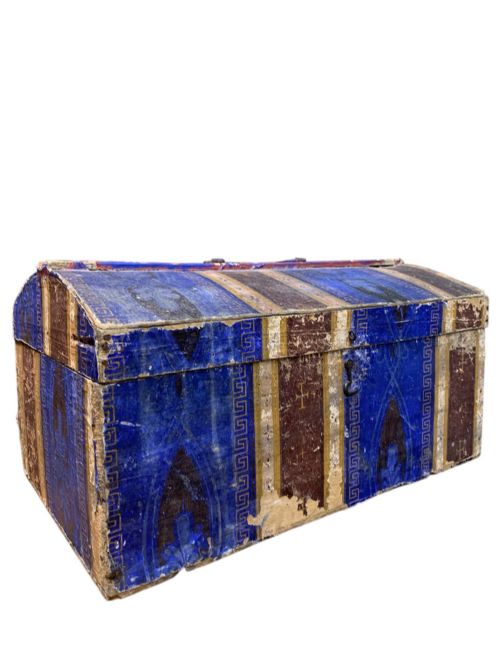
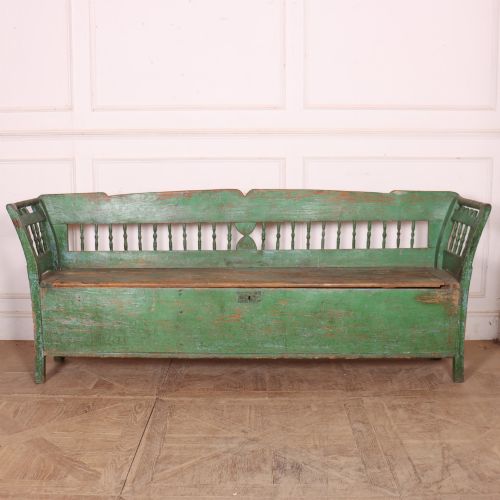
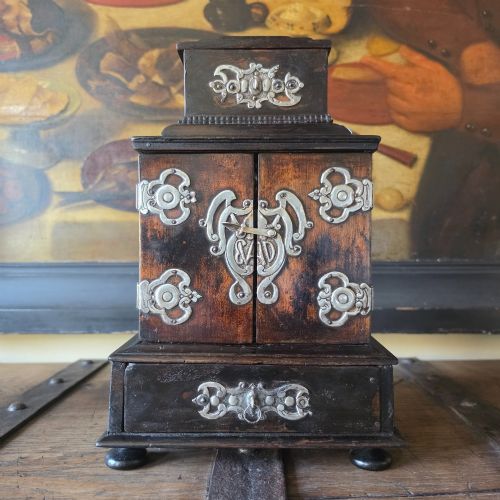
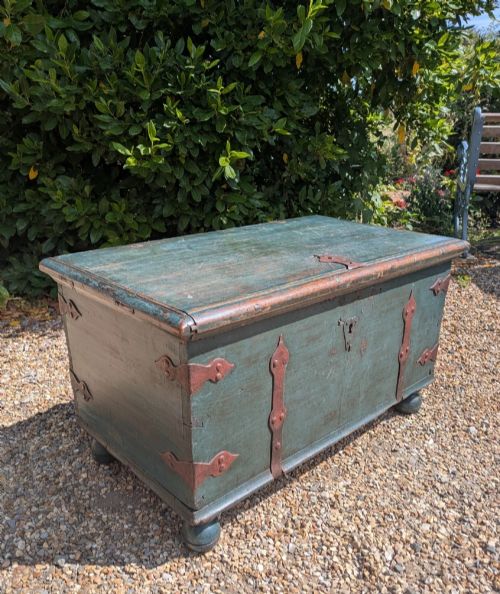
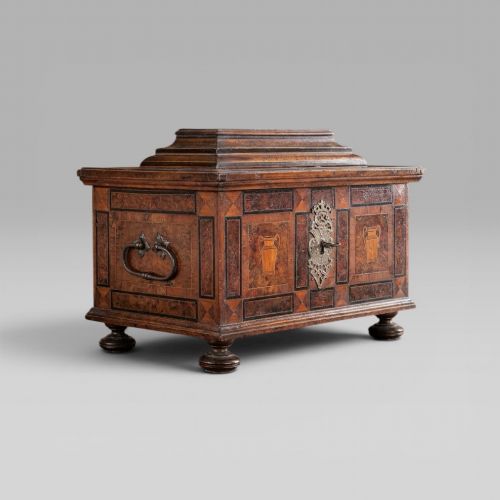
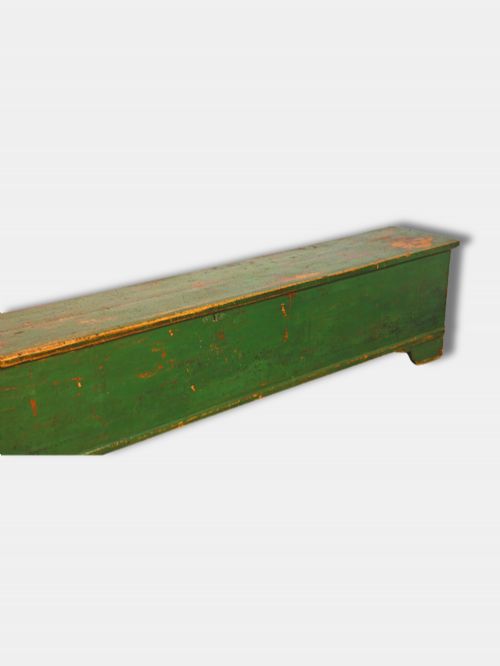
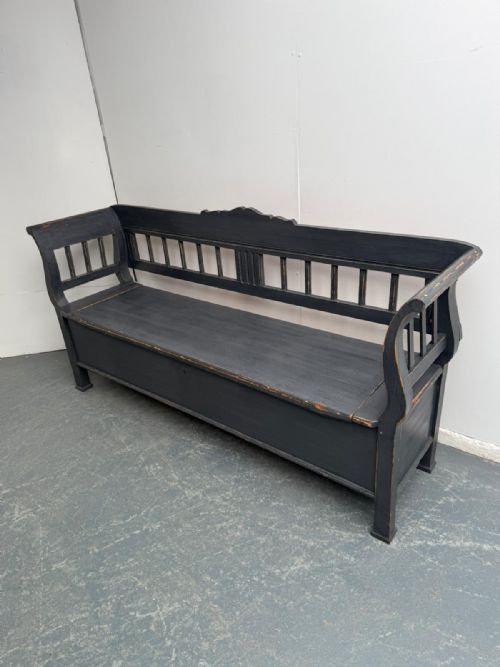
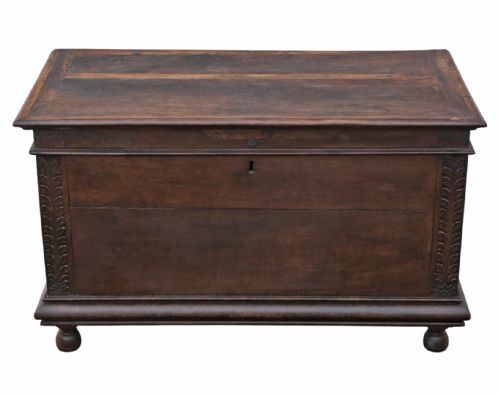
The varieties seen here include painted pine boxes from Hungary and the Alpine region, walnut coffers from Italy and Spain, and Flemish table cabinets in ebony and kingwood. Buyers meet both humble farmhouse pieces and formal Renaissance revival furniture.
Dated examples stretch from the seventeenth century through the Victorian era, showing distinct regional styles such as Frisian folk art and Flemish Baroque. This breadth means a collector can find a rustic storage box or a finely inlaid dome coffer.
Materials and technique
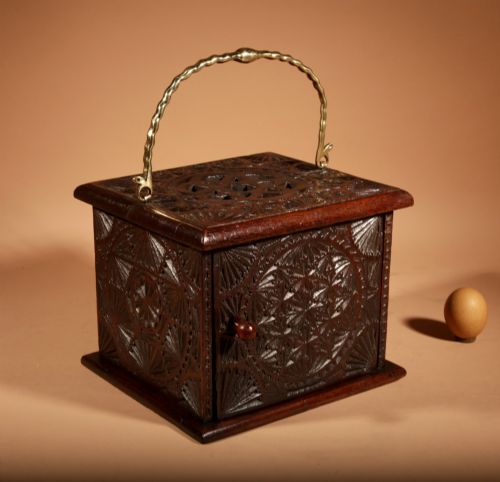
Carpenters constructed these boxes using regional timbers such as walnut, oak, pine, and chestnut, often incorporating secondary woods like burr wood. Joinery methods included hand-forged iron strapwork, chip carving, and parquetry.
Surface treatment defines many pieces, utilising original paint, floral decoration, and natural patination over plain wood. Master cabinetmakers also applied intricate inlays and ebony veneers to smaller tabletop cabinets and caskets.
Continental Wooden Box Retail Price Guide 2026
Typical asking prices for continental wooden box among the pieces listed under this phrase on Sellingantiques today, from the lower quarter to the upper quarter. They describe what is for sale here now, not the wider market.
Listings feature timbers including walnut, pine, oak, chestnut, and ebony, spanning the seventeenth to nineteenth centuries.
Quality and execution
The distinction between a standard utility chest and a superior piece lies in the ambition of the construction and the survival of original surfaces. Profuse inlays, fine parquetry, and detailed carving mark the upper tier of walnut and ebony cabinets.
For painted folk art boxes, the preservation of the original pigment and hand-forged ironwork determines the character of the piece. Unaltered patination and structural integrity separate genuine period examples from heavily restored items.
The Continental Wooden Box Glossary
- Casket
- A small decorative box, often lined, used for holding valuables or jewellery.
- Coffer
- A large strong box with a lid, traditionally used for storing money, documents, or textiles.
- Cassone
- A richly carved or painted chest associated with Renaissance Italy, often made for marriage ceremonies.
- Strapwork
- Ornamental metal bands, usually of iron, applied to reinforce and decorate the exterior of a chest.
- Parquetry
- Geometric patterns formed by fitting small pieces of wood veneer together on a surface.
- Chip carving
- A technique where wood is removed in chips from a flat surface to create geometric decoration.
Continental Wooden Box: Frequently Asked Questions
What is the difference between a coffer and a box?
A coffer is typically a large, heavy storage chest reinforced for security, whereas a box or casket is often smaller and portable.
Coffers frequently served domestic storage needs in farmhouses and halls, while caskets sat on tables for personal items.
How do I identify a painted pine marriage chest?
Marriage chests often feature specific regional floral motifs, dates, or initials applied by local craftsmen.
These pieces were commissioned for weddings in areas like Hungary and the Alpine region, utilising pine surfaces covered in original paint.
Where were walnut caskets typically made?
Walnut caskets and coffers frequently originated in workshop traditions across Italy, Spain, and Flanders.
Cabinetmakers in these regions utilised dense timbers for intricate carving, parquetry, and Renaissance revival designs.
How should I care for an antique wooden box?
Keep wooden boxes away from direct heat sources and fluctuating humidity to prevent timber movement.
Preserve original paint and patination by dusting gently without harsh chemical polishes or modern waxes.