



Continental Wood Cabinet
A continental wood cabinet brings European craftsmanship into a room, offering practical storage disguised beneath centuries of regional design traditions.
Continental Wood Cabinet
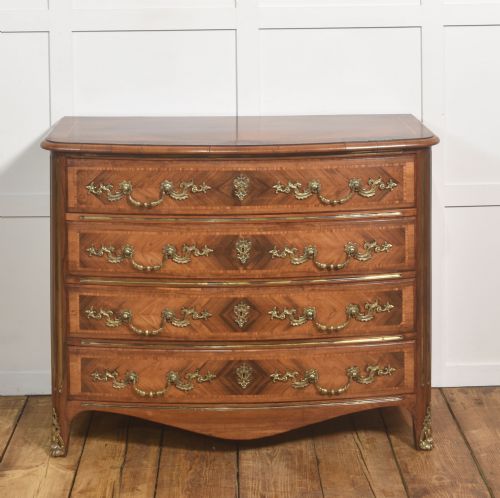
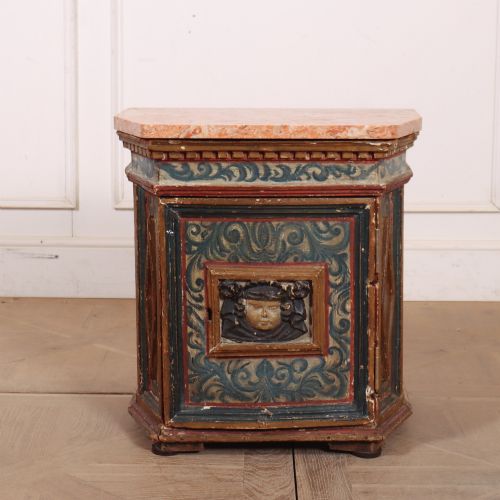
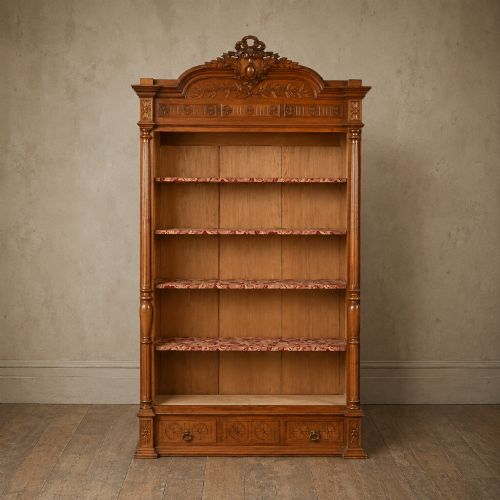
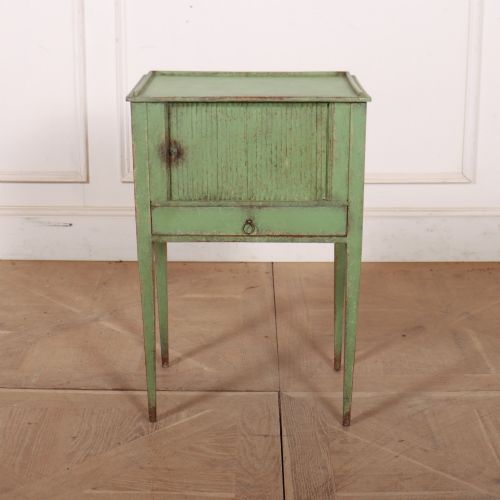
A continental wood cabinet encompasses a diverse group of storage pieces originating from mainland Europe, spanning centuries of craftsmanship from the seventeenth century onward. When searching for a continental wood cabinet, buyers encounter forms ranging from tall display vitrines and bookcases to smaller bedside cupboards and secretaire desks.
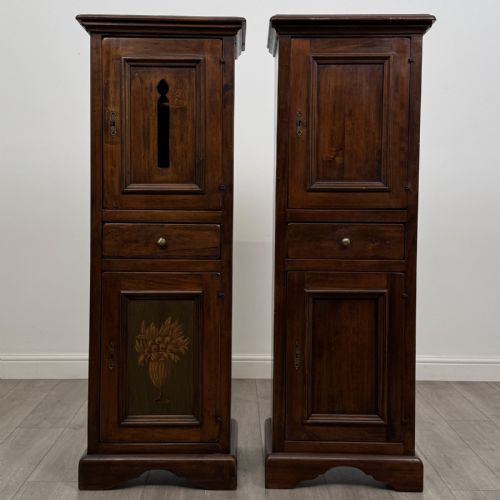
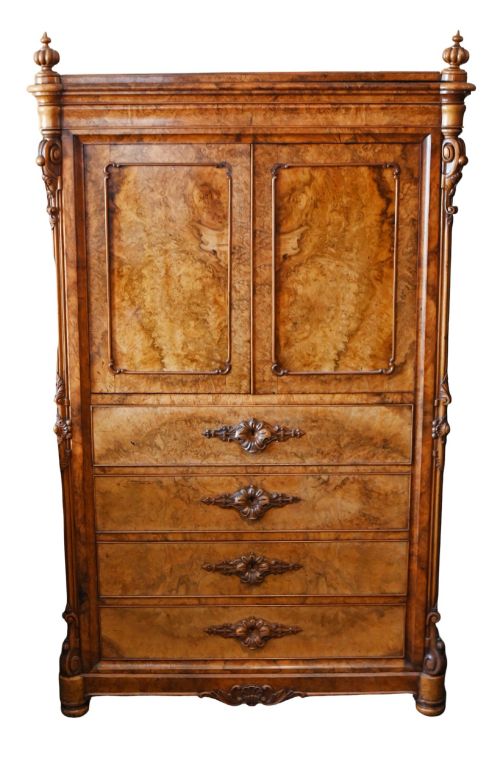
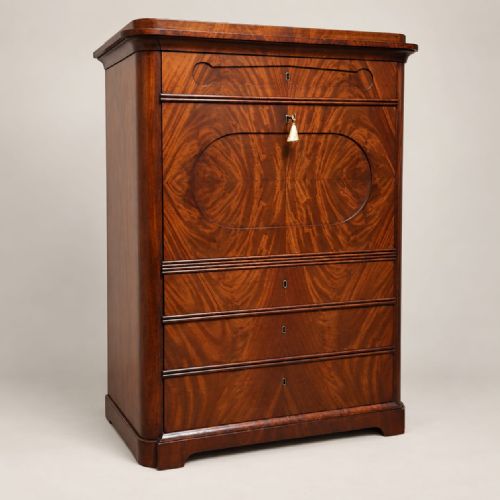
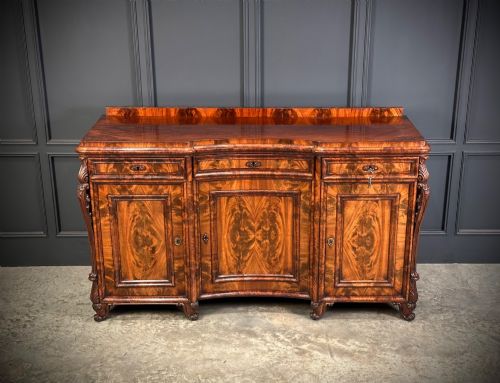
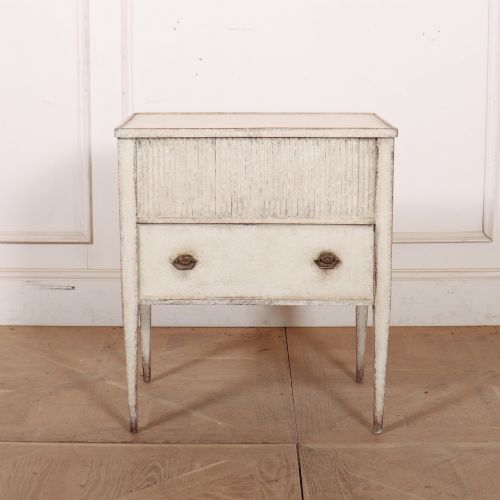
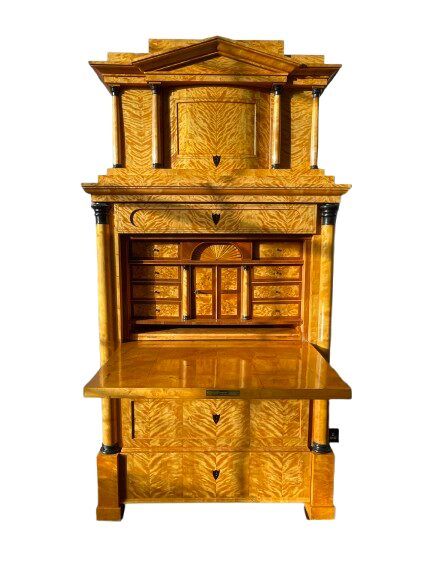
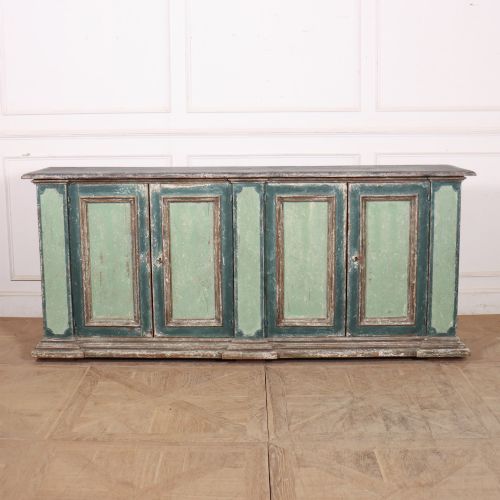
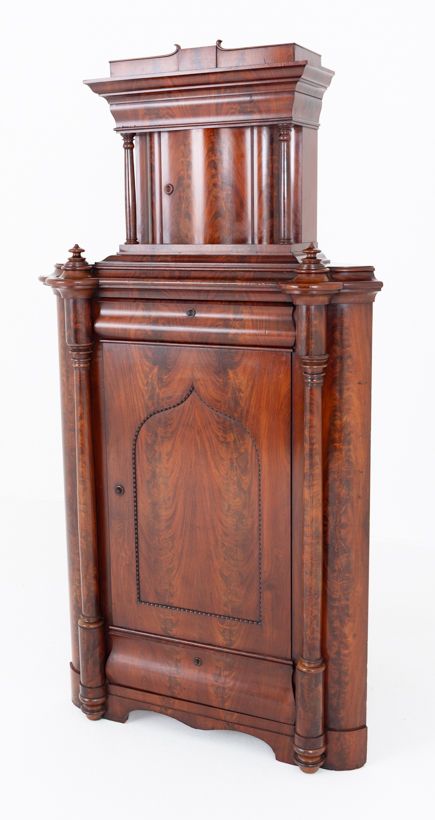
The selections on this page demonstrate the broad geographic spread of these items, featuring distinct regional aesthetics such as Dutch provincial painted finishes, Italian baroque flourishes, and Biedermeier structural restraint. Walnut, mahogany, and painted wood dominate the visible inventory, shaping the character of each functional storage piece.
Buyers frequently meet nineteenth-century interpretations alongside earlier eighteenth-century examples, revealing how cabinetmakers adapted traditional forms for domestic interiors. Whether configured as a corner cabinet, a side sideboard, or an apothecary chest, each piece reflects the specific utility required by its original European household.
Materials and construction methods
Cabinetmakers constructed these pieces using dense hardwoods including walnut, mahogany, and cherrywood, often applying flame mahogany or birds-eye maple veneers over secondary timbers. Workshops utilised solid wood framing alongside intricate parquetry and marquetry inlay patterns to create patterned surface decoration across doors and drawer fronts.
Finishes varied significantly by region, ranging from transparent French polish that emphasised natural grain figures to opaque painted surfaces decorated with floral motifs. Structural hardware typically involved brass hinges, escutcheons, and drop handles, while specialised storage forms incorporated glazed panels, iron fittings, and carved wooden detailing.
Continental Wood Cabinet Retail Price Guide 2026
Typical asking prices for continental wood cabinet among the pieces listed under this phrase on Sellingantiques today, from the lower quarter to the upper quarter. They describe what is for sale here now, not the wider market.
One child's high chair from the nineteenth century carries the distinct painted design style of Roosje Hindeloopen, proving that miniature furniture received the same artistic attention as grand cabinets.
Assessing quality in European cabinetry
Quality rests upon the integrity of the timber selection and the precision of the joinery used in the carcass and drawers. Superior examples display carefully matched veneer grains, tight dovetail joints, and original hardware that integrates seamlessly with the period of manufacture.
The execution of surface ornamentation distinguishes finer workshop output from standard domestic furniture. Hand-carved mouldings, balanced marquetry patterns, and well-preserved original painted decoration demonstrate a higher level of artisan skill during construction.
The Continental Wood Cabinet Glossary
- Biedermeier
- A style originating in Central Europe during the nineteenth century characterised by clean lines, minimal ornamentation, and a focus on the natural beauty of wood veneers such as mahogany and birch.
- Marquetry
- The art of applying pieces of veneer to a structure to form decorative patterns and pictorial designs. Artisans cut various woods, ebony, and kingwood to create intricate geometric or floral scenes across cabinet doors.
- Secretaire
- A desk or cabinet featuring a pull-down flap that conceals a writing surface and small pigeonholes or drawers. This form allows a piece of living room storage to double as a functional writing station.
- Vitrine
- A glass-fronted display cabinet designed for showing porcelain, books, or decorative objects. These items rely on glazed sides and doors to maximise internal light penetration.
- Parquetry
- A geometric mosaic of wood pieces used for decorative floors and cabinet surfaces. The technique creates repeating patterns using contrasting timbers like walnut and ebony.
Continental Wood Cabinet: Frequently Asked Questions
What is a continental wood cabinet?
A continental wood cabinet is a storage piece manufactured in mainland Europe, encompassing diverse regional styles from countries like Italy, France, the Netherlands, and Germany.
These items range from large bookcases and display cabinets to compact bedside tables and secretaires, utilising native and exotic timbers across multiple centuries.
How do I identify the period of a cabinet?
Dating relies on examining the construction methods, hardware, wood species, and stylistic markers visible across the piece. Stylistic categories like Biedermeier, Italian Baroque, or Gothic Revival provide clear chronological indicators.
Secondary woods, dovetail construction, and finish types further assist in narrowing the timeframe of manufacture from the seventeenth century through to the early twentieth century.
How were these cabinets used originally?
Original uses varied widely depending on the specific form and room destination within a European household. Larger pieces stored household linens, books, or valuable dinnerware, while specialised forms served as writing desks or bedside storage.
Display cabinets specifically showcased collections of ceramics and curiosities, reflecting the domestic habits of their owners.
How do I care for antique wood furniture?
Preserving these pieces requires maintaining stable indoor humidity and temperature levels to prevent timber splitting or veneer lifting. Direct sunlight should be avoided to protect organic finishes and painted surfaces from fading.
Routine maintenance involves gentle dusting with a dry cloth and occasional application of appropriate natural waxes recommended for historic furniture.