



Continental Silver Trinket
Continental silver trinket pieces are small ornamental boxes and dishes crafted abroad, and a buyer wants one for holding keepsakes on a dressing table.
Continental Silver Trinket
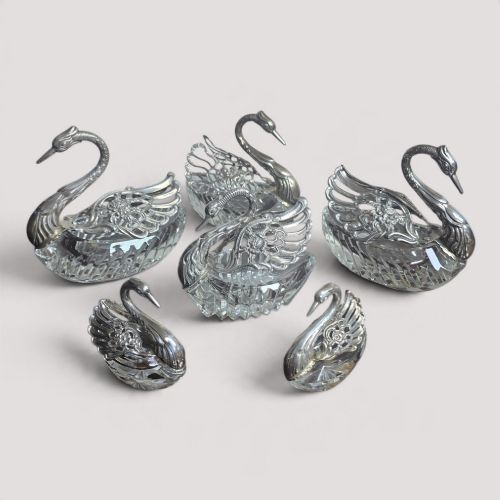
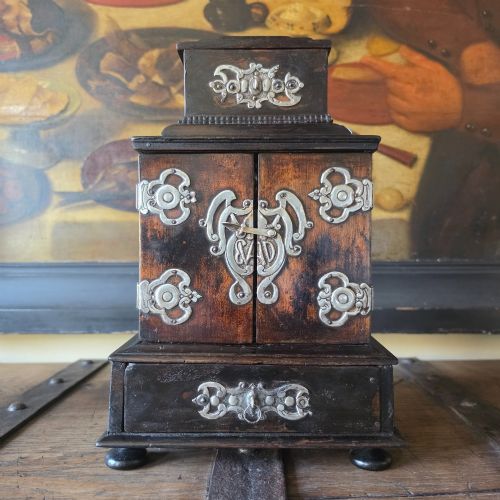
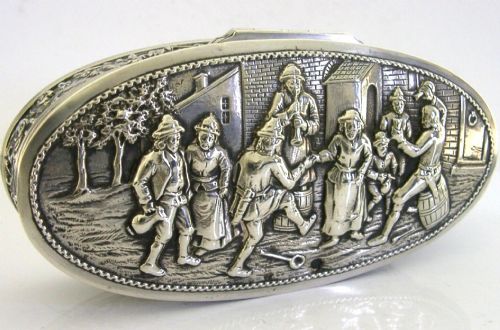
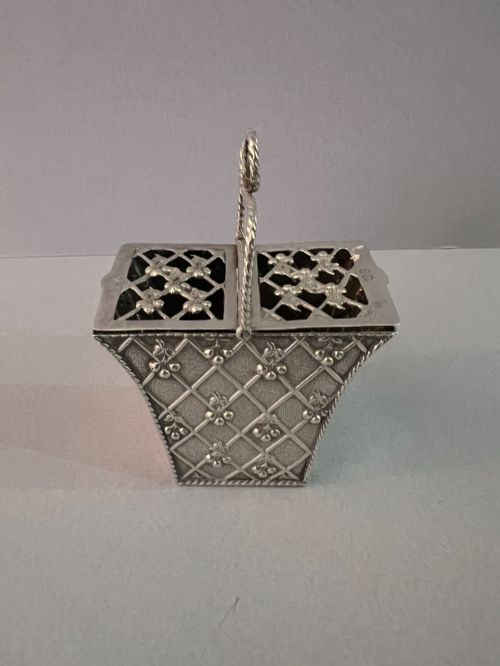
When you search for continental silver trinket items, you are looking at small decorative containers, snuff boxes, and miniature furnishings originating from European workshops outside Britain. The selection spans centuries from the eighteenth century onwards, taking forms such as table boxes, sedan chairs, and sweetmeat baskets.
You are most likely to meet solid silver and silver-plated boxes carrying nineteenth-century dates and revival styles. Many pieces combine silver work with cut glass or walnut, reflecting diverse continental European tastes from Dutch traditional to French Empire and Rococo Revival.
How they were made
Craftsmen shaped these items using solid silver and silver-plated metals, often combining metalwork with cut glass or walnut bodies. Hinged lids and miniature structural elements required precise metal-shaping and joining techniques.
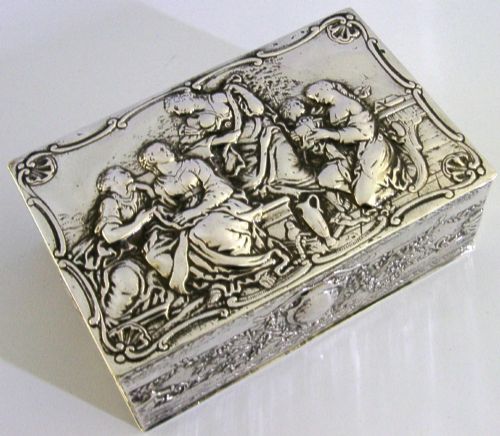
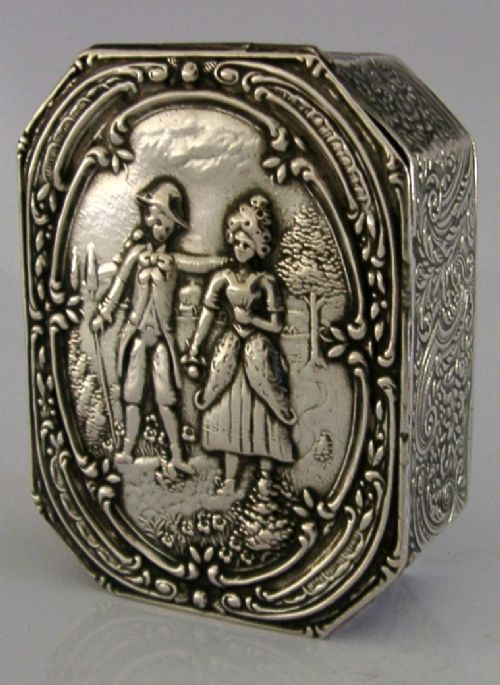
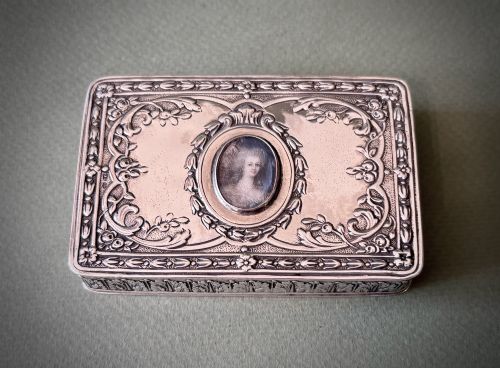
Decorative surfaces frequently employed revival styles such as Neo-Rococo and Neoclassical motifs, requiring skilled embossing, chasing, or casting to achieve detailed ornamental relief.
Continental Silver Trinket Retail Price Guide 2026
Typical asking prices for continental silver trinket among the pieces listed under this phrase on Sellingantiques today, from the lower quarter to the upper quarter. They describe what is for sale here now, not the wider market.
Listings span periods from the eighteenth century to the twentieth century, utilising materials including silver, cut glass, walnut, and silvered metal.
What varies in quality
The standard of workmanship rests in the crispness of the chased or embossed detail on the silver surface and the weight of the metal used. Heavier boxes and finely articulated miniatures demonstrate greater substance than lighter stamped alternatives.
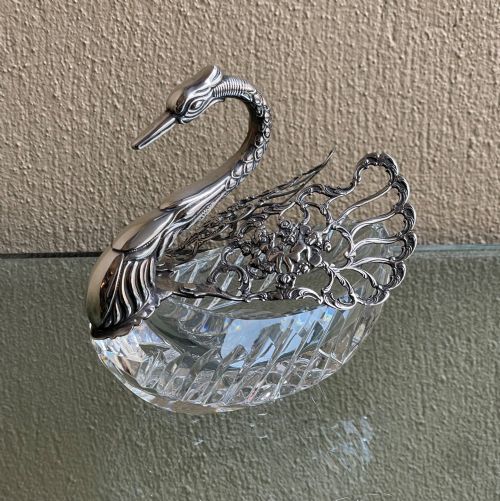
The integration of mixed media, such as fitted cut glass bodies or walnut cabinetry, distinguishes standard containers from more ambitious sculptural forms like swans and sedan chairs.
Posen of Frankfurt and Berlin
The Continental Silver Trinket Glossary
- Solid silver
- Metal content denoting high purity throughout the object rather than a surface plating. This ensures durability in small decorative items.
- Snuff box
- A small pocket-sized container historically used for holding powdered tobacco. These typically feature tightly closing hinged lids.
- Sweetmeat basket
- An open ornamental container designed for small confectioneries or sweet items. Miniature versions often incorporate pierced metalwork or glass liners.
- Rococo Revival
- A nineteenth-century design style emulating the ornate, asymmetrical scrolls and natural motifs of the eighteenth century. It appears frequently on continental boxes and decorative silverware.
- Pot pourri box
- A small lidded container pierced to allow scent to diffuse from dried aromatic plant materials. These objects combine metalwork with functional ventilation.
Continental Silver Trinket: Frequently Asked Questions
What are continental silver trinket boxes?
These are small decorative containers made in European workshops outside Britain, designed to hold small personal items.
They encompass various forms including snuff boxes, desk boxes, and miniature furniture pieces.
How were silver swan dishes used?
These figural pieces combine cut glass bodies with silver components to serve as decorative table ornaments or small dishes.
Their hinged or open designs allowed them to hold sweets or small trinkets.
How do I identify nineteenth century pieces?
Nineteenth-century examples often feature revival aesthetics such as Rococo or Neoclassical details alongside solid silver or silver-plated construction.
Stylistic cues and material combinations help distinguish these from later twentieth-century items.
Where were Dutch silver boxes made?
Dutch pieces originated from silversmithing traditions in the Netherlands, frequently displaying traditional motifs and substantial solid silver weight.
They represent a distinct regional output within the broader continental category.