


Continental Silver Trinket Box
These continental silver trinket box examples bring intricate European metalwork to your dressing table, offering a secure home for small valuables.
Continental Silver Trinket Box
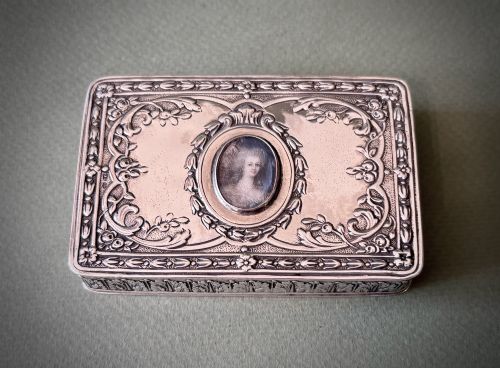
When you search for a continental silver trinket box, you encounter a range of decorative containers spanning the eighteenth, nineteenth, and early twentieth centuries. These pieces originate from European workshops and take the form of small desktop boxes, snuff containers, and hinged jewellery cases.
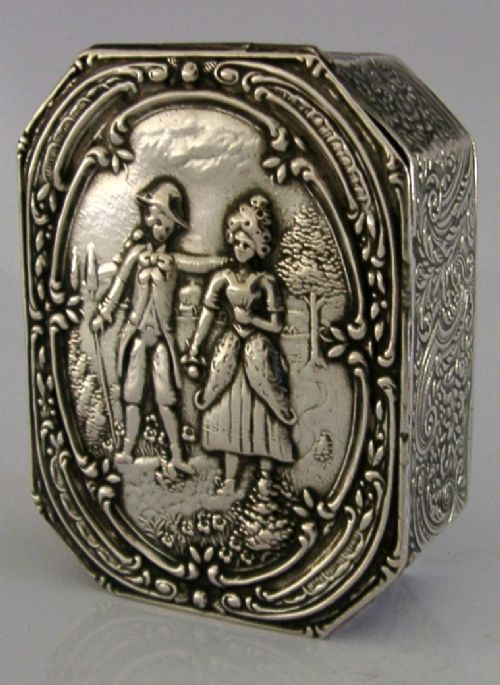
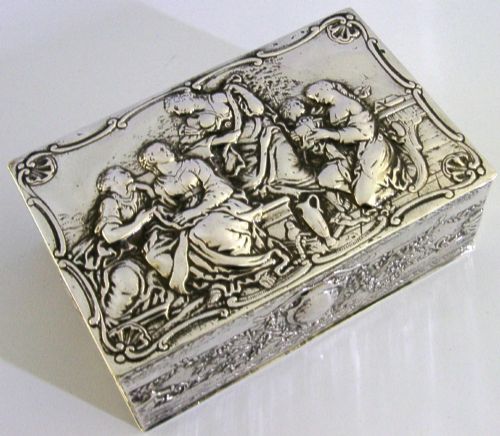
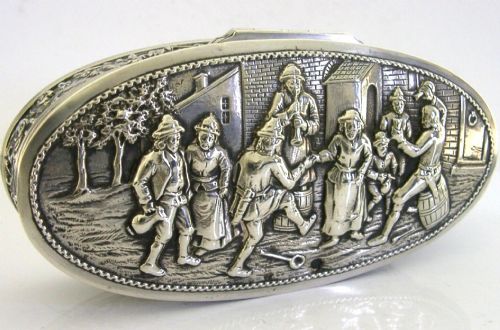
The most common examples on this page date from the late nineteenth and early twentieth centuries, reflecting Victorian and Edwardian tastes for revivalist styles. German Hanau and Dutch silversmiths produced many of these surviving items, often drawing inspiration from earlier Rococo and Neoclassical motifs.
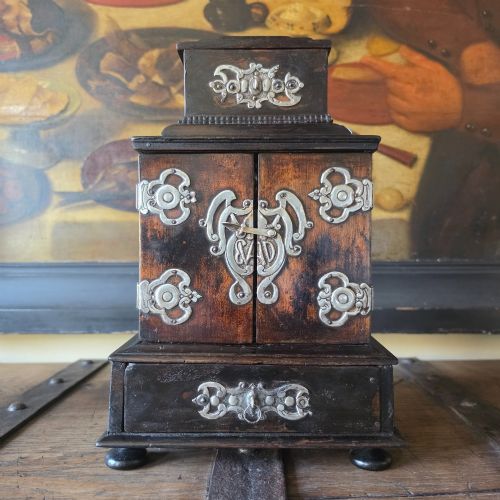
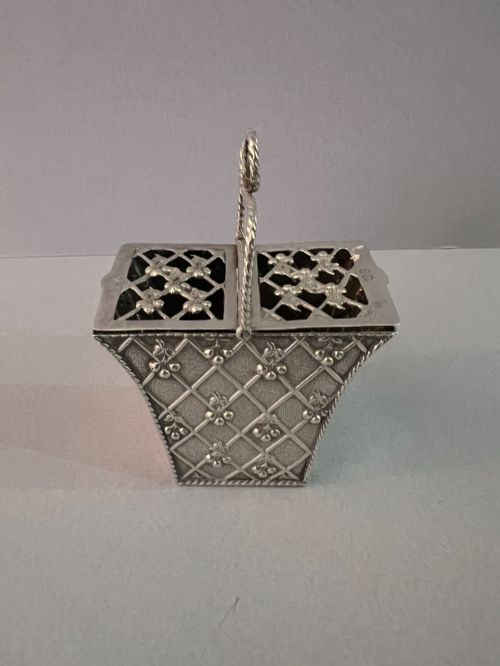
The forms vary from simple hinged boxes to more elaborate multi-compartment tables and potpourri containers. Alongside solid silver constructions, you also find pieces combining precious metal with cut glass or walnut woodwork.
Materials and construction methods
Silversmiths utilised solid silver, sterling grades, and continental metal standards to shape these containers, often employing heavy gauge sheets for larger desk boxes. Metalwork techniques included intricate embossing, chasing, and repoussé to create the characteristic high-relief surface ornamentation.
Many boxes incorporate other media to complement the metalwork, such as cut glass bodies, wooden carcasses in walnut, and decorative guilloché enamel panels. Hinges and clasps were engineered to fit flush, securing the lids while maintaining the decorative integrity of the exterior design.
Listings feature items from the 18th Century through to 1914, incorporating materials such as walnut, cut glass, and solid silver.
Factors determining quality
The distinction between standard containers and superior pieces rests upon the crispness of the chasing and the weight of the metal utilised. Heavier boxes with substantial gram weights demonstrate greater durability and a more tactile presence in the hand.
Artisanal execution in the decorative motifs separates everyday wares from exceptional workshop output. Pieces bearing clear maker attributions or complex multi-part hinges display the higher tiers of European silversmithing skill.
Posen of Frankfurt and Berlin
The Continental Silver Trinket Box Glossary
- Repoussé
- A metalworking technique where the silversmith hammers the design from the reverse side to create a raised relief on the exterior. This method defines the sculptural surface detail seen on many continental boxes.
- Guilloché
- An ornamental engraving technique producing precise, intricate geometric patterns beneath a translucent layer of enamel. It frequently appears on early twentieth-century pieces.
- Hanau silver
- Refers to items produced by various manufacturing silversmiths in the German town of Hanau during the late nineteenth and early twentieth centuries. These workshops often specialised in revivalist styles referencing earlier European eras.
- Potpourri box
- A small container featuring a pierced or perforated lid designed to diffuse scent from dried botanical materials. They share similar hinged constructions with standard trinket boxes.
Continental Silver Trinket Box: Frequently Asked Questions
How do I clean a silver trinket box?
Use a soft microfiber cloth and a gentle, non-abrasive silver cleaner specifically formulated for antique metals. Avoid harsh chemical dips that can strip away the dark oxidation highlighting recessed chased details.
Take care around hinged areas and inset glass or enamel panels to prevent moisture seepage. Regular, light dusting is preferable to heavy polishing.
Are these boxes safe for jewellery storage?
Most of these containers feature original velvet, silk, or satin linings designed to protect delicate rings and brooches from scratching against the metal base. The hinged lids close securely to keep dust away from your daily accessories.
For valuable pieces, ensure the clasp mechanism holds firmly before trusting the box to desktop storage. The interior velvet can be gently brushed with a dry cloth if needed.
How can I identify German Hanau silver?
German Hanau pieces often feature pseudo-marks or historical hallmarks that mimic eighteenth-century Dutch or German silver standards rather than standard official stamps of the era. The styling heavily favours ornate Rococo Revival scenes with high-relief figures and scrollwork.
Look closely at the weight and the depth of the chasing, as Hanau manufacturers produced substantial desk and table boxes. These items are typically dated around the 1900 period in listings.
What is the difference between a snuff box and a trinket box?
Snuff boxes are generally smaller, pocket-sized containers engineered with tight-fitting lids to keep powdered tobacco dry and secure. Trinket and jewellery boxes are built larger for dressing tables, offering more internal capacity.
While both share hinged designs and silversmithing techniques, their intended daily contents dictated their scale and interior lining.