



Continental Silver Novelty
Continental silver novelty pieces are playful, masterfully crafted containers and figures designed to amuse, and every collector wants one for their distinct character.
Continental Silver Novelty
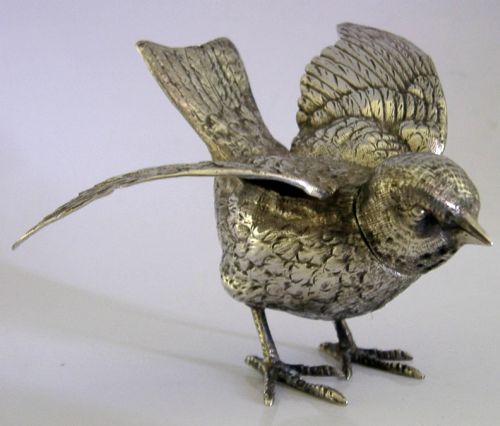
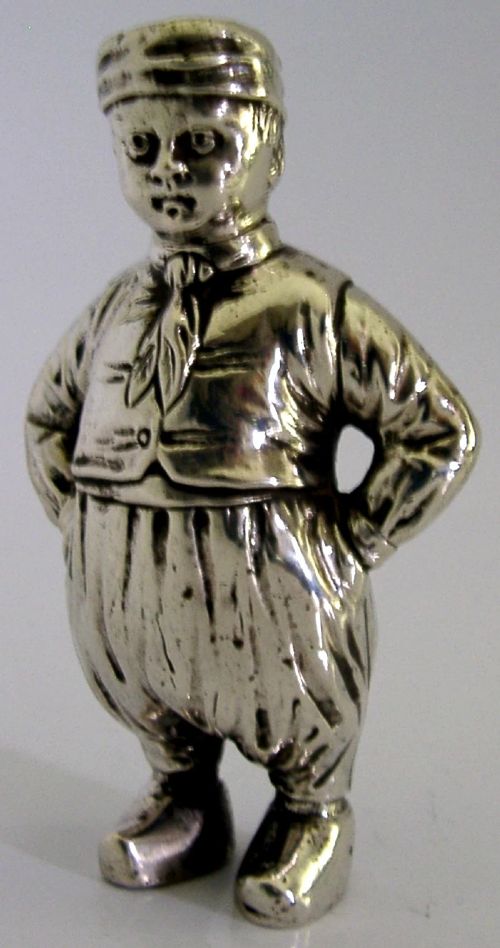
When you search for continental silver novelty, you are looking at whimsical items shaped as animals, birds, figures and everyday objects intended to surprise the observer. The pieces on this page span the nineteenth century, the Edwardian era, and the nineteen-thirties, emerging from workshops across Europe.
The most common forms you will meet are animal and bird pepper pots, snuff boxes, and miniature table figures. Many items take the shape of creatures like parrots, pheasants, goats, cows, and fish, while others adopt human forms or miniature objects like violins and sedan chairs.
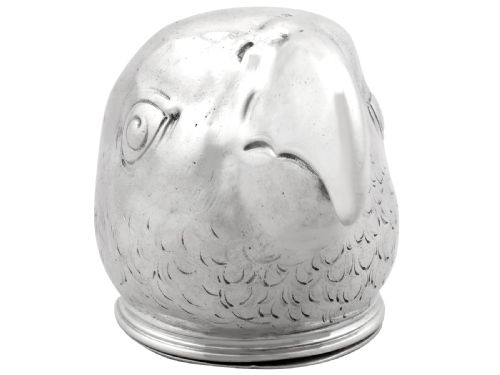
Makers utilised various traditional formats, ranging from articulated fish boxes to walking stick handles formed as boar heads. These items functioned as practical tableware, desk accessories, and personal containers, combining utility with playful design.
What varies in quality
Quality also rests on the mechanical precision of moving parts, such as the hinges on animal snuff boxes and the joints on articulated bodies. Pieces that maintain a convincing weight and balanced proportions distinguish the finer productions from simpler work.
Materials recorded across the listings include silver, sterling silver, solid silver, 800 silver, cork, German silver, glass, and wood.
The Continental Silver Novelty Glossary
- 800 Silver
- An alloy containing 80 percent pure silver, commonly utilised in continental European silverware. This standard appears frequently in German and other continental items.
- Chasing
- A metalsmithing technique where the silver is worked from the front with hammers and punches to raise or impress details. This method creates the surface textures seen on animal figures and decorative boxes.
- Articulated
- Designed with flexible joints that allow sections of the object to move independently. Fish novelty boxes often feature this construction to mimic swimming movement.
- Novelty
- An object manufactured in an unusual or amusing shape rather than a standard utilitarian form. These pieces prioritize clever design and entertainment alongside their functional purpose.
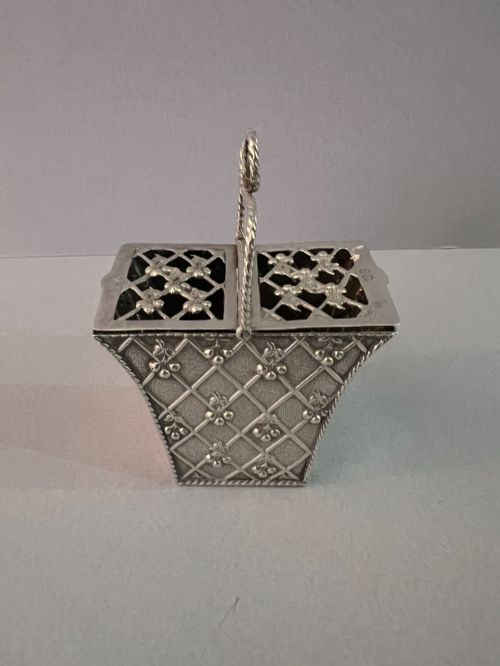
- Sweetmeat basket
- A small decorative container intended for holding small confections, nuts, or sweetmeats at the table. Miniature versions appear among continental silver tableware.
Continental Silver Novelty: Frequently Asked Questions
What is a silver novelty?
A silver novelty is a functional or decorative item shaped into an amusing, unusual, or unexpected form, such as an animal, bird, or vehicle. These pieces combine craftsmanship with a sense of playfulness.
They were produced across Europe during the nineteenth and early twentieth centuries to entertain guests and serve as conversation pieces on dining tables and desks.
How were these silver items used?
Many of these objects served practical purposes at the dining table as pepper pots, salt cellars, sugar boxes, and toothpick holders. Others functioned as personal accessories like snuff boxes, scent bottles, and pin cushions.
Despite their whimsical shapes, they were designed to be used in daily domestic life while adding a decorative element to the room.
How do I date continental silver?
Dating these items involves examining maker's marks, hallmarks, style periods, and the specific fabrication techniques used by the workshop. Stylistic markers range from Rococo Revival and German Renaissance Revival to Art Deco.
Comparing the object to dated pieces in archives helps narrow the period of manufacture, which frequently spans the nineteenth century through the nineteen-thirties.
How do I care for silver novelties?
Caring for these pieces requires gentle cleaning with a soft cloth and specialised silver polish only when necessary to remove tarnish. Avoid harsh abrasives that can wear away fine hand-chased details and surface textures.
Display them away from direct sunlight and excessive moisture, particularly items that incorporate secondary materials like wood, cork, or fabric pin cushions.