






Continental Oak Furniture
Continental oak furniture brings solid substance to a room, offering robust storage and seating shaped by centuries of European craftsmanship.
Continental Oak Furniture
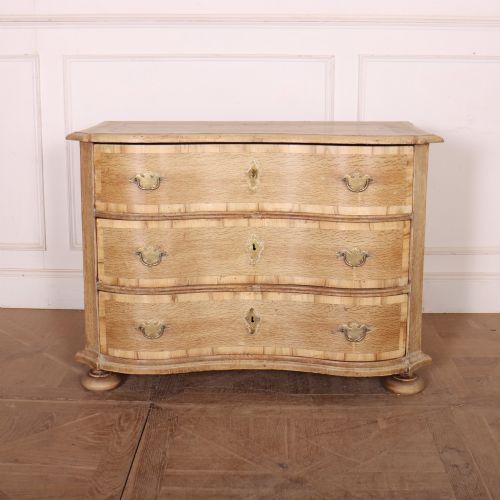
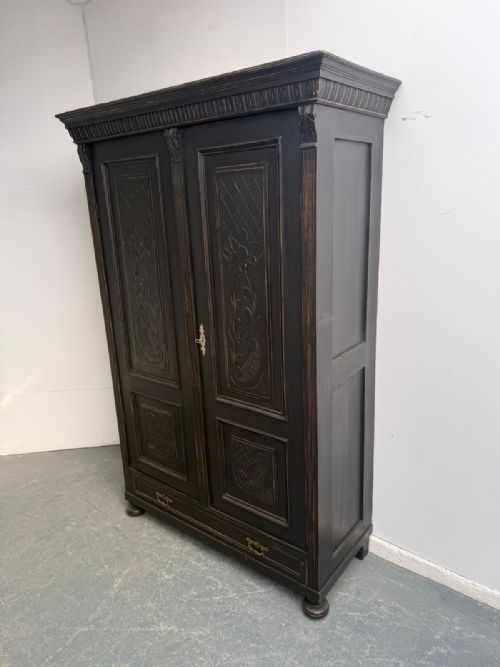
Continental oak furniture encompasses heavy storage items, seating, and cabinets produced across European regions from the sixteenth century into the twentieth. Buyers seeking continental oak furniture typically encounter items such as commodes, chests of drawers, wardrobes, and bookcases originating from countries like Holland, Austria, and Flanders.
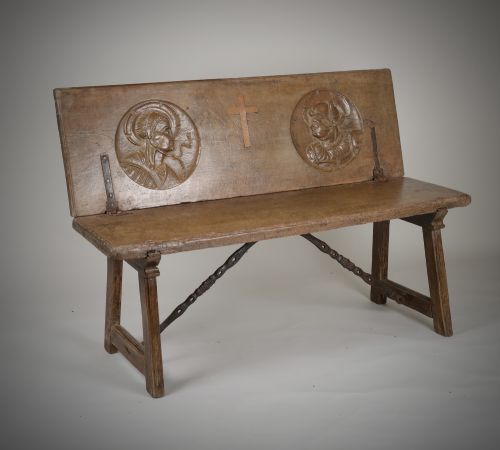
The selection ranges from sixteenth-century benches and seventeenth-century forms to eighteenth-century serpentine chests and nineteenth-century Revival styles. Forms like the Dutch bombé commode and Flemish side cabinets dominate the offerings, alongside country pine and oak painted pieces.
Regional variations display distinct structural traits, from the swells of Dutch commodes to the linear gravity of Austrian bleached oak pieces. These items serve primary domestic functions, acting as functional storage and architectural anchors within traditional and eclectic interiors.
What varies in quality
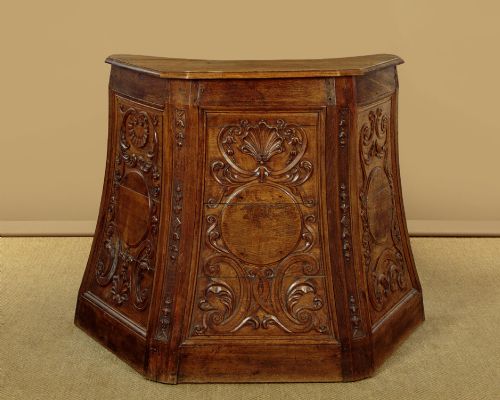
Quality diverges significantly in the crispness of hand-carved details and the precision with which secondary timbers integrate with primary oak surfaces. Superior examples demonstrate careful selection of timber grain, particularly in serpentine and bombé fronts where veneer or solid shaping requires exact execution.
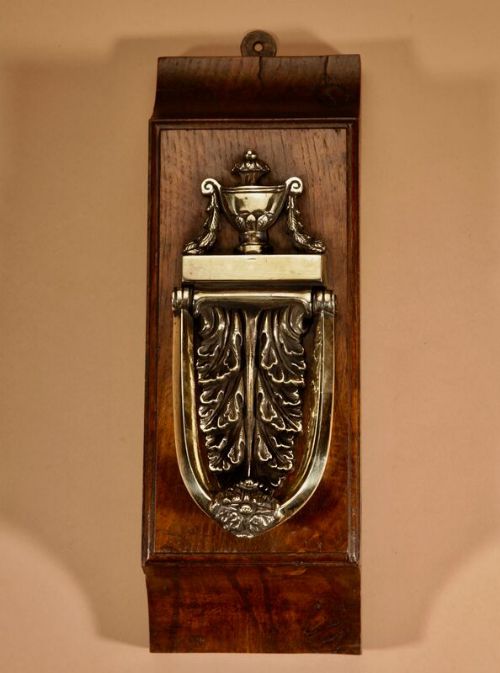
The sophistication of regional hardware, such as brass door knockers or drawer pulls, distinguishes standard utilitarian output from high-status workshop production. Original structural integrity, minimal timber replacement, and the retention of early surface treatments elevate the standing of any given piece.
A solitary brass door knocker stands guard among the heavy oak wardrobes and sideboards.
The Continental Oak Furniture Glossary
- Bombé
- A bulging, outward-curving furniture profile popular in eighteenth- and nineteenth-century Dutch pieces. This sweeping contour requires advanced woodworking skill to maintain structural stability.
- Marquetry
- The art of applying decorative veneer pieces in various woods to form geometric or pictorial designs. It creates rich surface patterns across drawer fronts and cabinet doors.
- Serpentine
- A furniture front shape curving outward at the centre and inward at the sides. This fluid outline demands precise timber shaping.
- Settle
- A wooden bench featuring a high solid back and enclosed arms to block draughts. Early examples provide functional seating with integrated box storage beneath the seat.
Continental Oak Furniture: Frequently Asked Questions
How do I date continental oak furniture?
Dating relies on examining construction techniques, tool marks, and stylistic motifs corresponding to specific historical periods like the Renaissance or Gothic Revival.
Secondary woods and hardware types also offer reliable clues to the era of manufacture.
Are these pieces suitable for modern homes?
These robust items integrate well into contemporary interiors by providing substantial storage and strong focal points.
Their sturdy construction ensures they withstand daily domestic use while adding historical character.
How should I care for antique oak?
Maintain the timber by keeping pieces away from direct heat sources and sudden humidity changes that cause wood to split.
Apply gentle beeswax periodically to nourish the surface without building up heavy chemical residues.
What is a bombé commode?
A bombé commode is a chest of drawers defined by its pronounced, convex swelling curves across the front and sides.
Originating largely in Dutch workshops, this form showcases dramatic eighteenth- and nineteenth-century silhouette shaping.