



Continental Carved Cherub
Continental carved cherub figures bring the dramatic theatricality of European Baroque sculpture into domestic interiors through expressive woodcarving and rich pigment.
Continental Carved Cherub
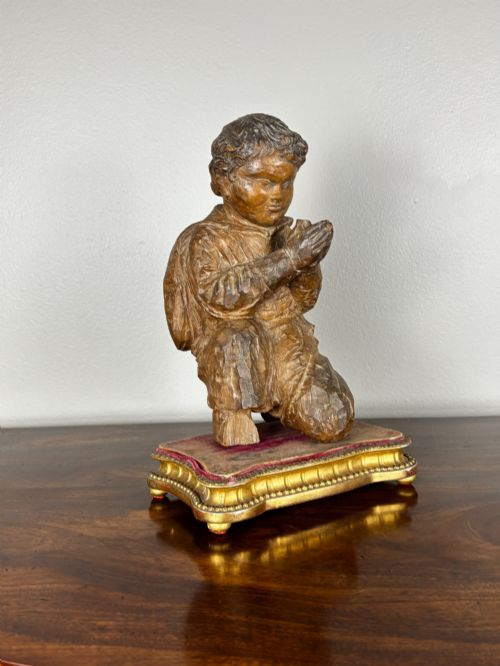
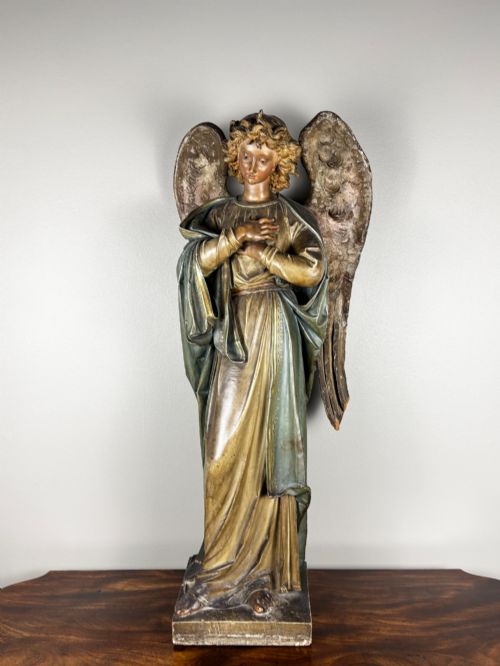
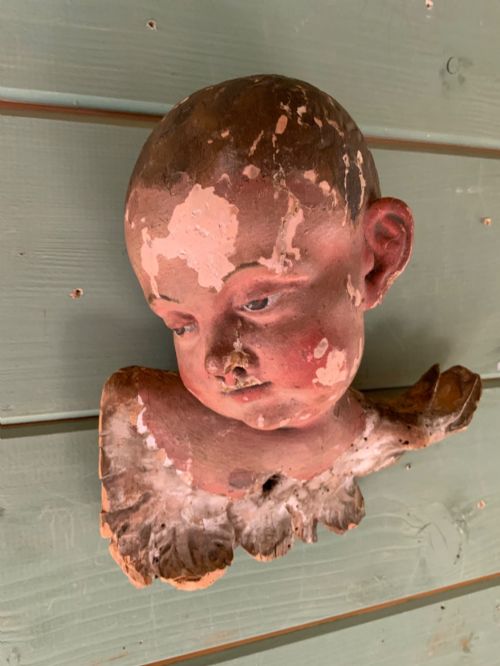
A continental carved cherub represents a heavenly messenger captured in wood, frequently taking the form of a winged putto, a kneeling angel, or a disembodied cherub head emerging from stylized clouds. These figural woodcarvings span from the seventeenth century through the nineteenth century, reflecting the devotional and decorative impulses of diverse European workshops.
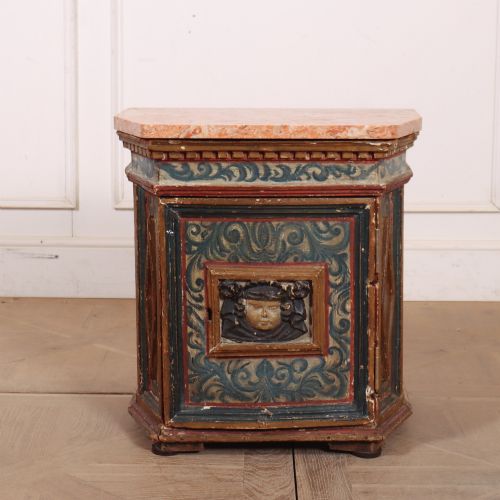
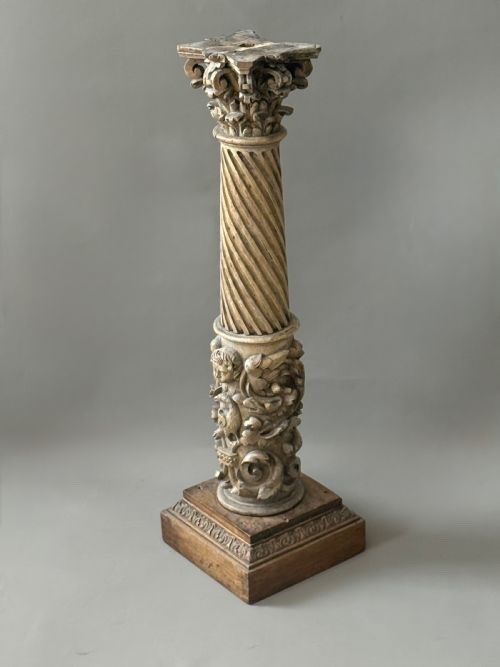
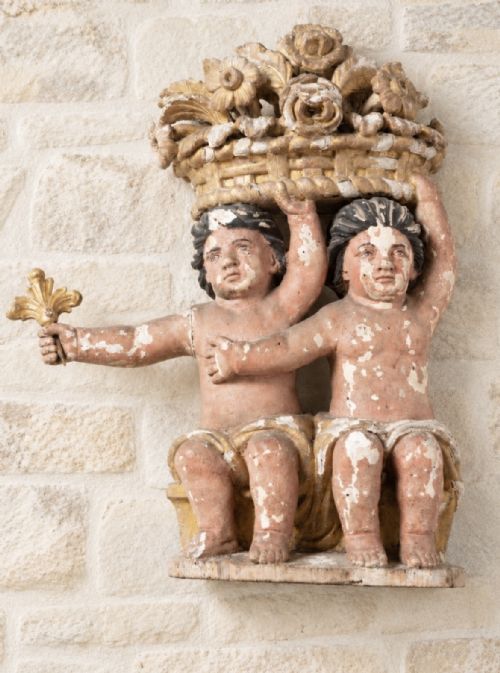
The pieces appearing here include German lime wood praying figures, Italian polychrome angels, and monumental Baroque lamp bases incorporating cherubic motifs. Buyers encounter individual devotional sculptures alongside matched pairs designed for architectural ornament or ecclesiastical furniture.
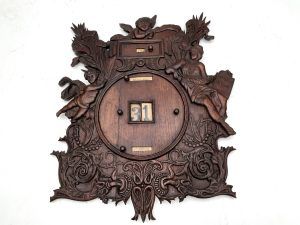
Originating predominantly from continental traditions such as Italian and German Baroque, these sculptures range from small cabinet ornaments to substantial architectural fragments. Each piece displays the distinct regional approach to facial expression, drapery, and anatomical proportion characteristic of its period.
Materials and construction
Surfaces were frequently finished with gesso and applied gold leaf, or painted with polychrome pigments to achieve lifelike skin tones and vibrant drapery. The interaction of aged wood, crackled gesso, and remnants of original paint defines the physical presence of these surviving sculptures.
Continental Carved Cherub Retail Price Guide 2026
Typical asking prices for continental carved cherub among the pieces listed under this phrase on Sellingantiques today, from the lower quarter to the upper quarter. They describe what is for sale here now, not the wider market.
Several cherubs appear caught mid-prayer or peering out from carved clouds, reminding us that even seventeenth-century wood spirits needed a day off from holding up heavy furniture.
Assessing quality in carved figures
The standard of a continental carved cherub rests upon the anatomical understanding and expressive depth demonstrated by the carver. Superior pieces display fluid movement in the hair and drapery, harmonious proportions in the face and limbs, and a vitality in the carving that transcends rigid symmetry.
The preservation of original surface treatments, whether polychrome pigment, gesso, or gold leaf, significantly influences the integrity of the piece. Subtle tool marks left by the gouge or chisel reveal the direct hand of the maker, distinguishing master carvers from commercial workshops.
The Continental Carved Cherub Glossary
- Putto
- A plump, often winged male child figure frequently found in classical and religious art. These figures populate Baroque sculpture and architectural decoration.
- Polychrome
- The practice of decorating architectural elements, sculpture, or pottery in a variety of colours. Pigments were typically applied over a gesso ground on wooden substrates.
- Gesso
- A plaster mix used as a base for paint or gold leaf on wood. It provided a smooth surface for fine gilding and painting.
- Lime wood
- A pale, fine-grained timber favoured by European woodcarvers for detailed sculpture. It resists splitting and holds sharp chisel edges well.
- Pricket stick
- A candlestick featuring a central spike upon which a candle is impaled. These are common in ecclesiastical settings from the seventeenth and eighteenth centuries.
Continental Carved Cherub: Frequently Asked Questions
What is a putto?
A putto is a chubby, wingless or winged infant figure derived from classical mythology and frequently adopted in Christian art. Artists used these figures to convey heavenly presence or emotional warmth in sacred spaces.
In continental carving, putti appear clambering on clouds, supporting ecclesiastical furnishings, or flanking devotional figures. Their appearance shifted subtly across seventeenth and eighteenth-century European styles.
How were these carvings used originally?
Many of these pieces originated as components of church altarpieces, furniture mounts, or architectural ornament. Figures of angels and cherubs were integrated into ecclesiastical interiors to elevate the spiritual atmosphere.
Others served a domestic function as decorative brackets, lamp bases, or architectural fragments displayed within elite European residences. Their current status as standalone sculptures reflects a later shift in how historic woodwork is collected and exhibited.
How do I care for antique wood carvings?
Historic woodcarvings require stable environmental conditions with moderate humidity to prevent the timber from splitting or warping. Direct sunlight should be avoided to protect original polychrome paint and gold leaf.
Dusting should be performed gently with a dry, soft brush rather than a cloth that might snag on delicate carved edges. Applied polishes or oils should be avoided on historic surfaces retaining original finishes.