



Continental Bedside Nightstand
These continental bedside nightstand pieces bring character and practical surface space to a bedroom through diverse regional European styles.
Continental Bedside Nightstand
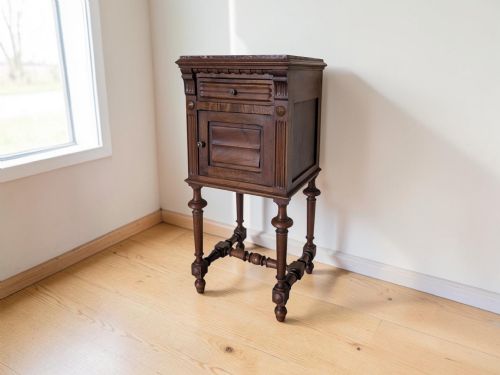
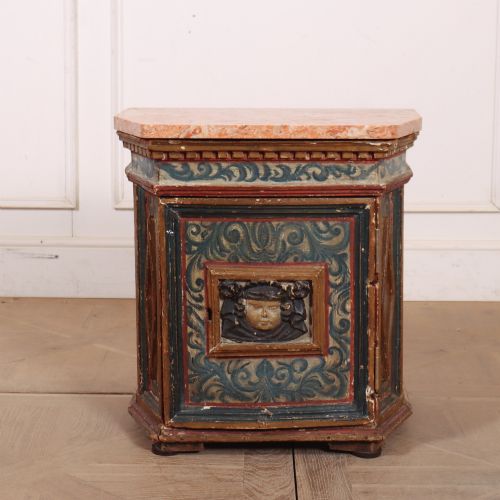
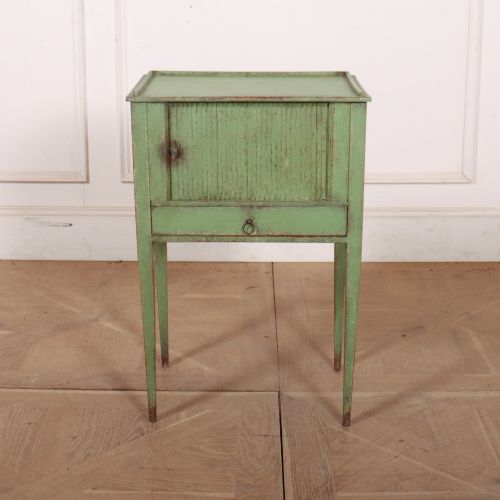
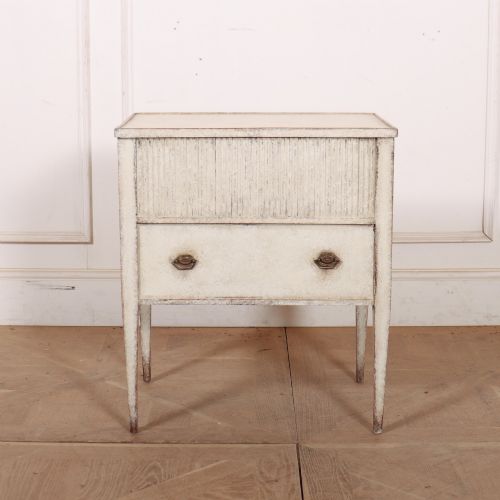
A continental bedside nightstand is a compact piece of bedroom furniture designed to sit beside a bed, taking the form of a small cabinet, cupboard, or table. When searching for a continental bedside nightstand, buyers encounter items ranging from simple painted pine versions to elaborate marble-topped and walnut varieties.
The selections span distinct historical periods from the eighteenth century through to the art deco era of the nineteen thirties. Common regional expressions include Dutch provincial designs, Italian baroque and rococo pieces, and French chateau styles.
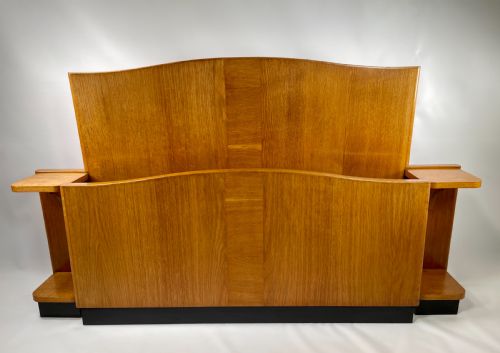
Forms vary from standalone bedside cabinets and side cupboards to integrated headboards with attached tables. Many examples appear in matched pairs, offering symmetry for twin setups or larger master beds.
Materials and construction methods
Cabinet makers utilised a variety of solid timbers including oak, walnut, burr walnut, pine, and satinwood. Construction frequently involved panelled doors, dovetailed drawers, and decorative marquetry inlay to enhance the visual appeal of the wood grain.
Painted finishes play a significant role, particularly on Dutch and Hungarian pieces where applied pigments and aged paint define the surface character. Marble slabs provide durable, polished tops on many nineteenth and early twentieth century examples, while brass fittings offer functional hardware for handles and hinges.
Listings feature woods such as walnut, oak, and pine, alongside painted finishes, marble tops, and brass hardware spanning from the seventeen-fifties to nineteen-thirty.
Evaluating craftsmanship and condition
Quality rests upon the selection of timber and the precision of the joinery, distinguishing finely figured walnut veneers and neat marquetry from simpler utility builds. The integrity of original painted surfaces or the natural veining and thickness of fitted marble tops also mark the upper tier of production.
Proportion and structural soundness dictate how well a piece functions in a modern interior. Well-preserved internal shelving, smoothly operating drawers, and original brass hardware retain the integrity intended by the original maker.
The Continental Bedside Nightstand Glossary
- Marquetry
- The art and craft of applying pieces of veneer to a structure to form decorative designs. This technique frequently employs contrasting timbers to create geometric or floral patterns.
- Bombe
- A term describing furniture with outward-curving sides or fronts. This swelling contour is characteristic of certain continental baroque and rococo designs.
- Satinwood
- A durable, lustrous timber native to India and Ceylon with a yellowish sheen. It gained popularity in fine cabinet making during the eighteenth and nineteenth centuries.
- Parquetry
- A geometric mosaic of wood pieces used for floors or furniture surfaces. It differs from marquetry through its strict reliance on angular, repeating patterns.
Continental Bedside Nightstand: Frequently Asked Questions
How do I clean a marble top?
Wipe the marble surface regularly with a soft, damp cloth and mild, neutral soap. Avoid abrasive cleaners or acidic liquids like citrus juice that can etch the polished stone.
Dry the surface thoroughly after cleaning to prevent water spots and maintain the natural lustre of the material.
Are these nightstands sold in pairs?
Many continental bedside cabinets and tables are offered as matched pairs, which makes them suitable for flanking a double or king-size bed.
Single pieces also appear frequently, often originating from smaller bedroom suites or apothecary contexts repurposed for domestic use.
What is Dutch provincial furniture?
Dutch provincial furniture refers to pieces made in the Netherlands outside major urban centres, reflecting local tastes and practical needs. These items often feature painted finishes and straightforward structural forms.
The style prioritises functional utility alongside regional decorative motifs, distinguishing it from grander court furniture.
How do I date a painted cabinet?
Dating a painted piece involves examining the underlying timber construction, hand-cut nails, and the chemical composition of the pigment layers. Underlying wear patterns help confirm age.
Stylistic cues such as columned corners, panel configurations, and overall proportions align the piece with periods like the Victorian era or the eighteenth century.