
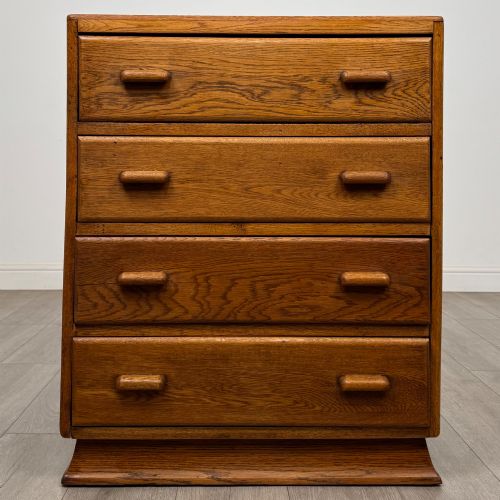
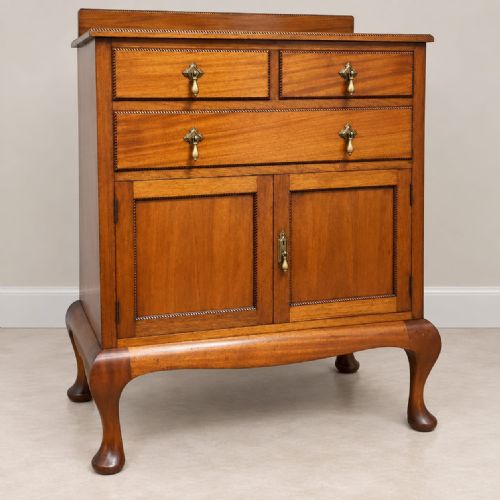
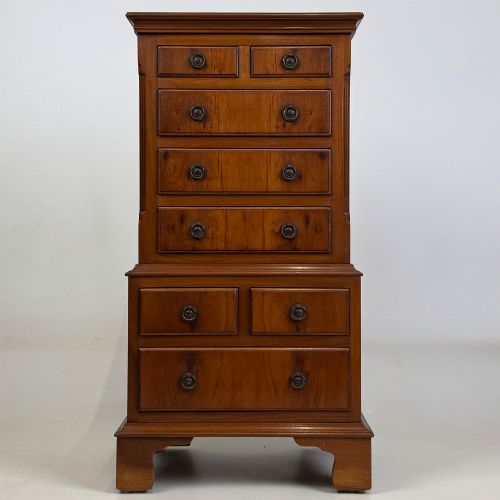
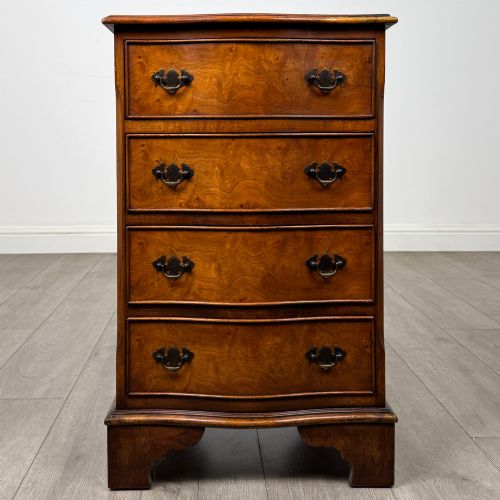
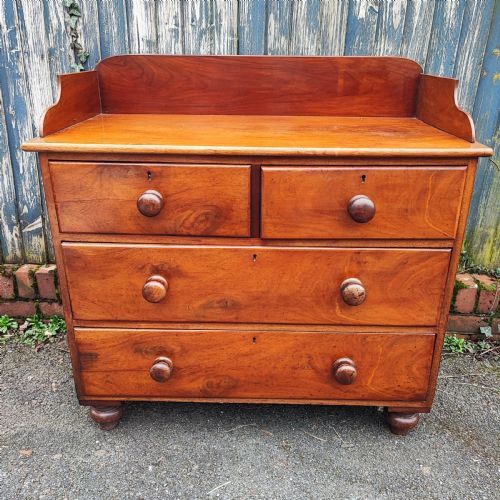


Compact Wooden Storage Chest
A compact wooden storage chest offers practical organisation in a modest footprint, making it a sensible choice for smaller rooms.
Compact Wooden Storage Chest
A compact wooden storage chest provides a neat and functional solution for keeping belongings orderly without overwhelming floor space. When searching for a compact wooden storage chest, buyers typically encounter pieces ranging from the eighteenth century through to the Edwardian period and the early twentieth century.
How They Were Made
Cabinet makers utilised a selection of durable timbers suited to domestic furniture, most notably mahogany, oak, walnut, burr walnut, yew, pine, and olive wood. These woods provided the structural integrity needed for daily use while offering varied natural grain patterns.
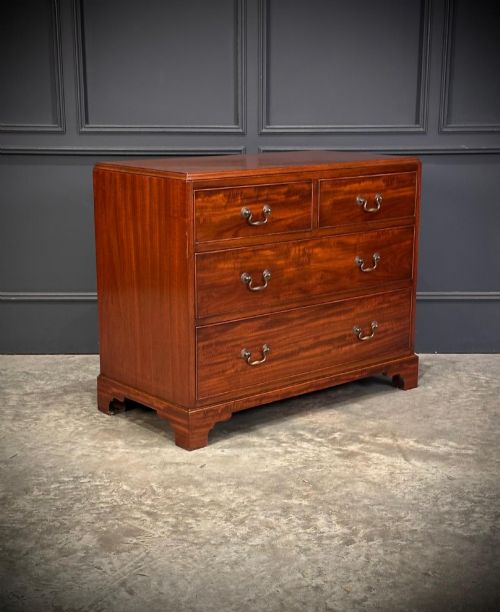
Construction techniques involved traditional joinery to house multiple drawers within restricted dimensions. Pieces frequently incorporate metal hardware such as brass drop handles to facilitate operation of the drawer mechanisms.
Listings feature timbers such as mahogany, oak, burr walnut, yew, pine, and olive wood across pieces dating from the seventeenth to the twentieth century.
What Varies In Quality
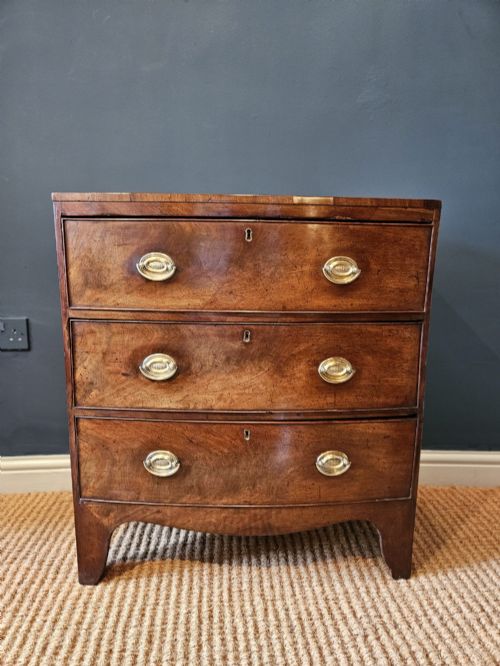
The standard of a piece often relates to the choice of timber and the prominence of its natural figuring, such as the use of burr walnut, fiddle back mahogany, or oyster olive wood. Superior examples display careful matching of wood grain across the drawer fronts and cabinet facade.
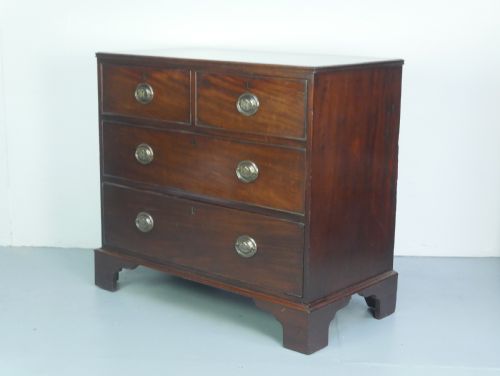
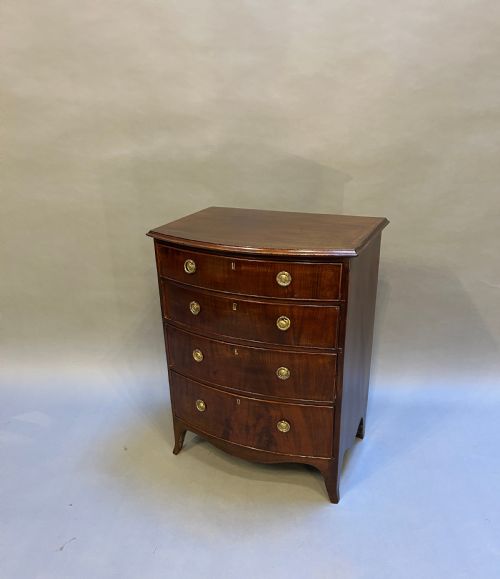
Refinement in proportion and detailing also distinguish pieces, with items exhibiting neat serpentine fronts, well-executed bracket feet, or high-grade brass hardware indicating skilled workmanship by the maker.
Gillows of Lancaster
The Compact Wooden Storage Chest Glossary
- Tallboy
- A tall chest of drawers, often constructed by placing a smaller chest on top of a larger base. This form maximises vertical storage capacity while retaining a narrow footprint.
- Wellington chest
- A tall, narrow chest of drawers secured by a hinged locking stile on one side. This design safely held multiple shallow drawers within a compact structure.
- Bachelor's chest
- A small chest of drawers typically featuring a folding top surface intended for writing or dressing. These versatile pieces were designed for personal chambers.
- Serpentine front
- A furniture front curving outward in the centre and inward at the sides. This contour requires precise woodworking skill to execute cleanly.
- Fiddle back mahogany
- Mahogany timber displaying a wavy, undulating grain pattern resembling the back of a violin. Cabinet makers selected this decorative wood for high-status surfaces.
Compact Wooden Storage Chest: Frequently Asked Questions
What periods do these chests come from?
The pieces span multiple centuries, with examples originating from the seventeenth, eighteenth, nineteenth, and early twentieth centuries.
Specific eras represented include William and Mary, Georgian, Regency, Victorian, and Edwardian periods.
Which woods were used for these chests?
Cabinet makers built these items using a variety of hardwoods and softwoods depending on availability and fashion.
Commonly seen materials include mahogany, oak, walnut, burr walnut, yew, pine, olive wood, and brass for handles.
What types of compact chests are available?
The selection includes several distinct forms designed for smaller spaces and specific domestic functions.
Buyers will find standard chests of drawers, tallboys, miniature chests, bachelor's chests, and narrow banks of drawers.
How do I identify a bachelor's chest?
A bachelor's chest is distinguished by its small proportions and a hinged top surface that folds open.
This practical design provided a compact writing or dressing desk within a traditional chest of drawers.