


Compact Wooden Dresser
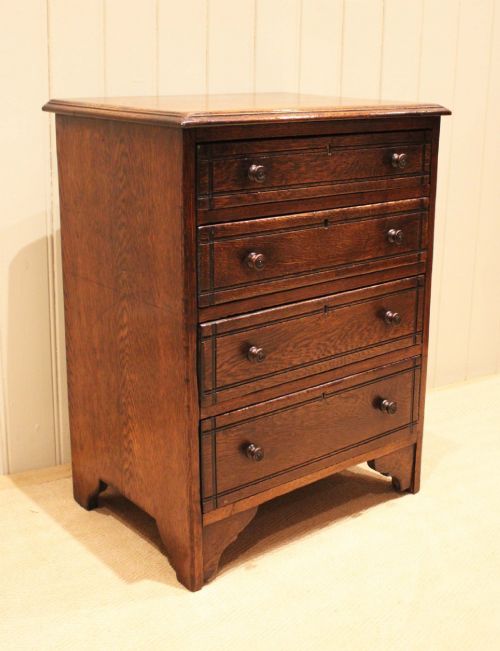
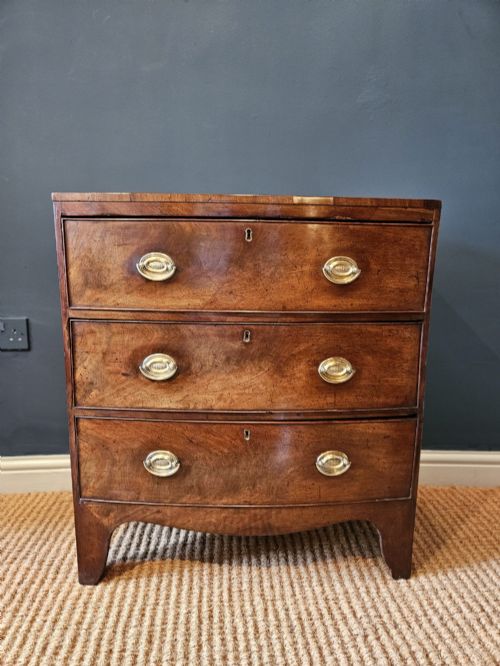
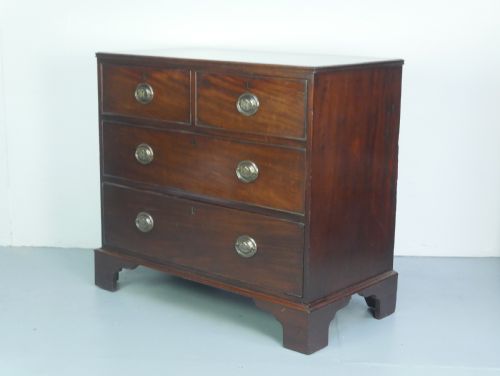
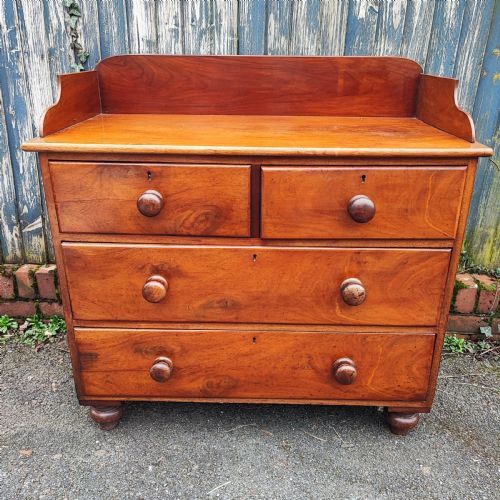
A compact wooden dresser offers neat storage without dominating a room, combining practical proportions with traditional craftsmanship.
Compact Wooden Dresser
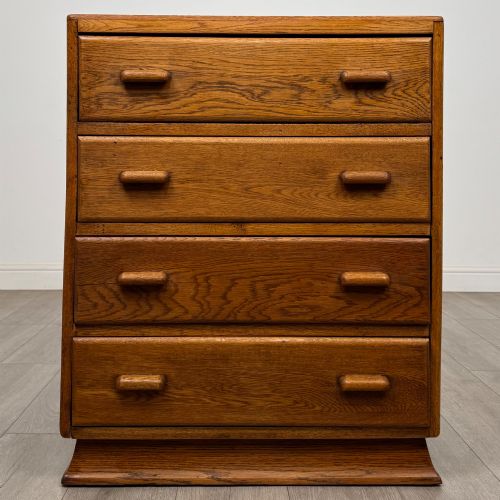
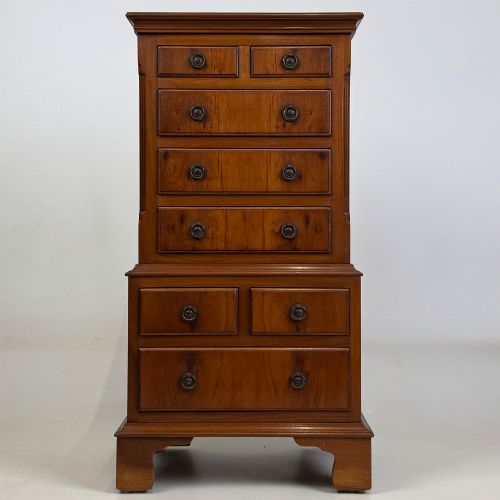
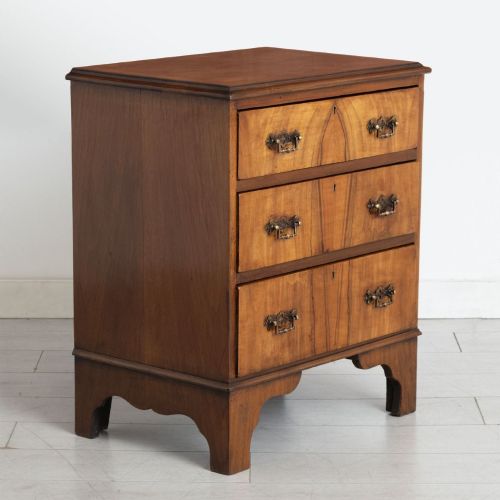
A compact wooden dresser or small chest of drawers provides essential storage while occupying a minimal footprint in smaller rooms. Buyers seeking this phrase encounter practical scaled-down storage pieces that suit various interior layouts.
The selection ranges from early examples dating back to the late seventeenth century through Georgian, Victorian, and Edwardian periods up to the 1930s. Pieces appear in distinct styles including Georgian Revival, Regency, and Art Deco.
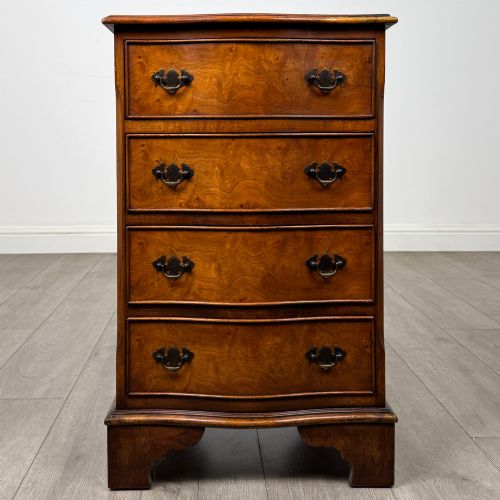
Forms include straightforward chests of drawers, narrow four-drawer chests, serpentine fronts, bow fronts, and specific variants such as Wellington chests and bachelors chests. Oak, mahogany, walnut, yew, and pine form the backbone of these pieces.
Materials and construction methods
Cabinet makers utilised dense hardwoods such as mahogany, oak, and walnut, frequently selecting figured veneers like burr walnut and oyster olive wood for visual depth. Secondary timbers like pine appear on internal drawer linings and carcass backs.
Joinery techniques relied on traditional hand-cut dovetails for drawer construction and sturdy mortise and tenon joints for the main frames. Brass handles, escutcheons, and drop pulls provide original functional hardware across the periods.
Listings feature pieces spanning from the late seventeenth century through the Georgian, Victorian, and Edwardian eras up to the 1930s.
Factors determining quality
Quality rests heavily on the selection of timber and the natural figuring displayed on the primary surfaces, where highly figured mahogany or burr walnut elevate a piece. The crispness of the cabinet work, particularly the tightness of the dovetail joints and the smooth running of the drawers, separates standard examples from superior ones.
Originality of the surface finish and hardware preserves the historical integrity of the piece. Subtle details such as neat proportions, finely moulded edges, and well-executed serpentine or block fronts distinguish the finer items in this category.
Gillows of Lancaster
The Compact Wooden Dresser Glossary
- Serpentine front
- A furniture front curving outward in the centre and inward at the sides. This undulating shape requires advanced woodworking skill to construct.
- Bachelors chest
- A small, low drawer chest traditionally featuring a fold-over top for writing. These versatile pieces served multiple functions in domestic spaces.
- Wellington chest
- A tall, narrow chest of drawers secured by a hinged vertical locking side bar. This locking mechanism protected the contents securely.
- Oyster veneer
- Cut cross-sectionally from small branches to produce circular or oval patterns resembling oyster shells. This technique gained popularity in the late seventeenth century.
- Block front
- A cabinet front divided vertically into three sections, with the two outer sections projecting forward and the central section recessed. This style creates a strong architectural appearance.
Compact Wooden Dresser: Frequently Asked Questions
What is a compact wooden dresser?
A compact wooden dresser generally refers to smaller chests of drawers and cabinets designed to provide storage in restricted spaces without overwhelming a room.
These pieces span multiple centuries and feature timbers like mahogany, oak, and walnut, adapting well to modern room layouts.
How do I date a wooden chest?
Dating relies on observing construction methods, timber choices, handle styles, and overall decorative motifs associated with specific periods.
Hand-cut dovetails, secondary woods, and distinct hardware designs help narrow down the decade or century of origin.
Where should I place a small chest?
Their modest proportions allow these items to fit comfortably in hallways, bedrooms, or tighter reception spaces as supplementary storage.
They function effectively as bedside tables, entryway surfaces, or accent storage units.
What woods are most common?
Mahogany and oak appear most frequently across the historical ranges, alongside walnut, yew, and pine.
Cabinet makers also used specialised veneers such as burr walnut and oyster olive wood for decorative effect.