
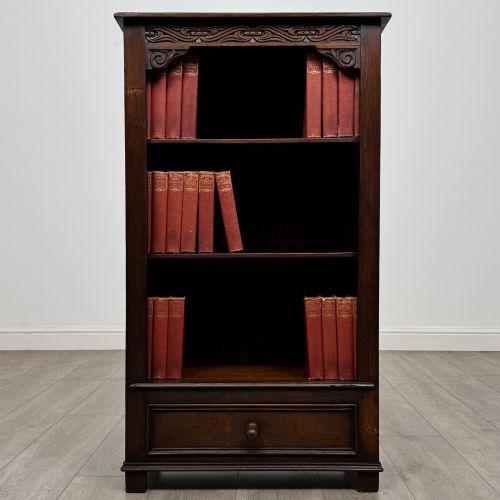


Compact Shelving Unit
A compact shelving unit is a practical smaller bookcase or etagere that saves floor space while holding a proper library.
Compact Shelving Unit
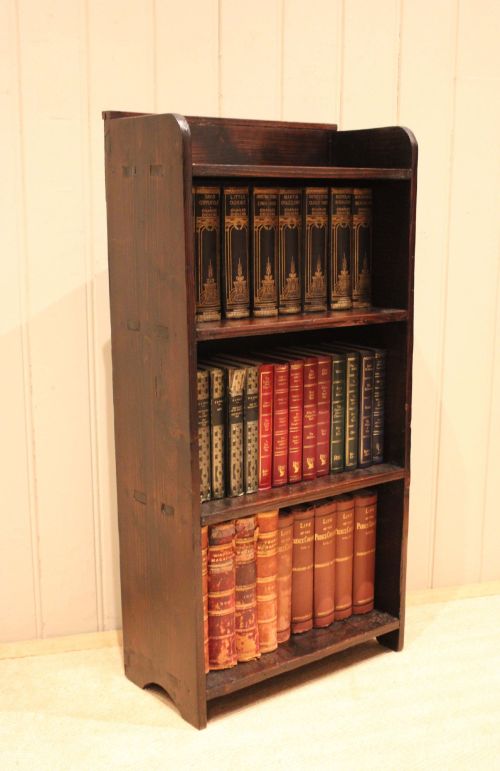
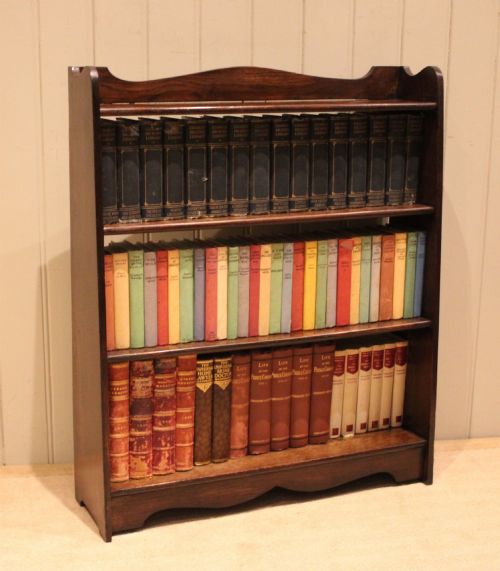
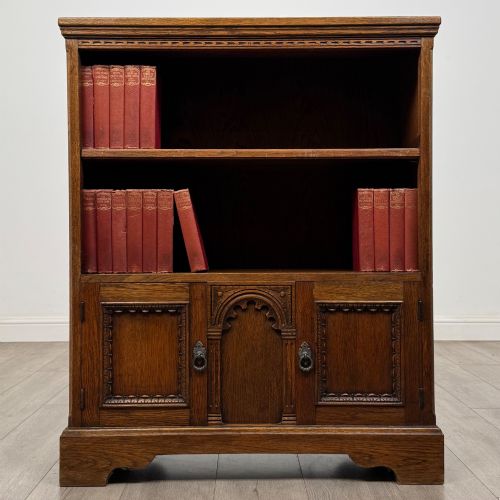
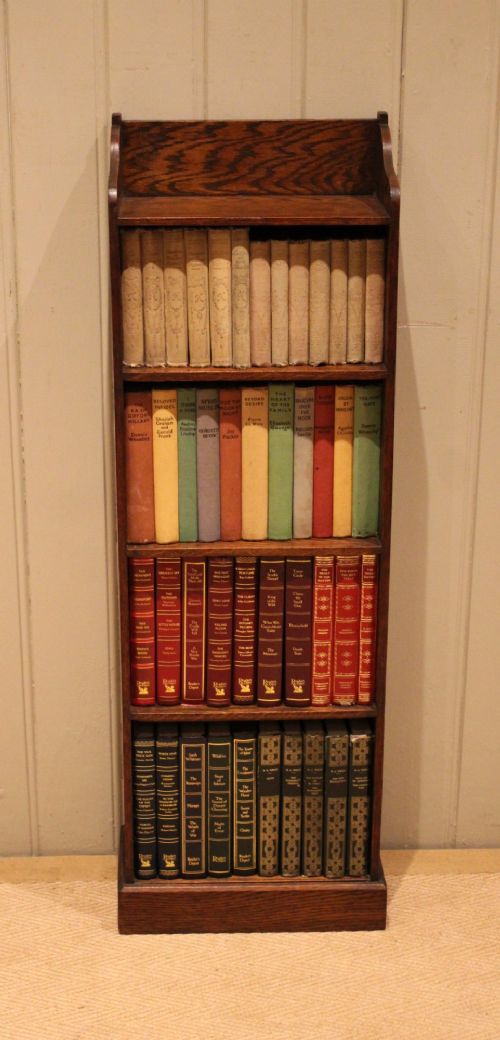
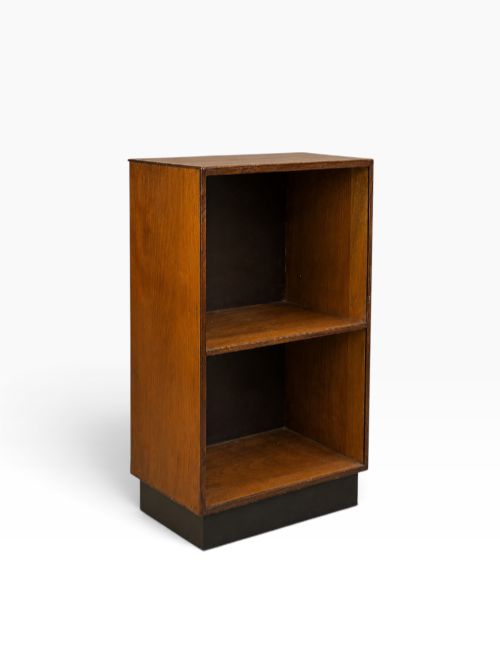
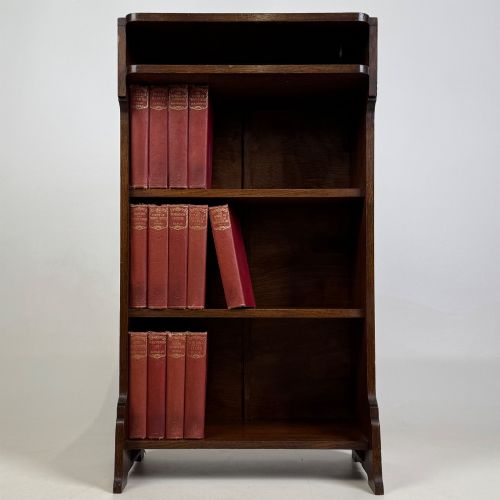
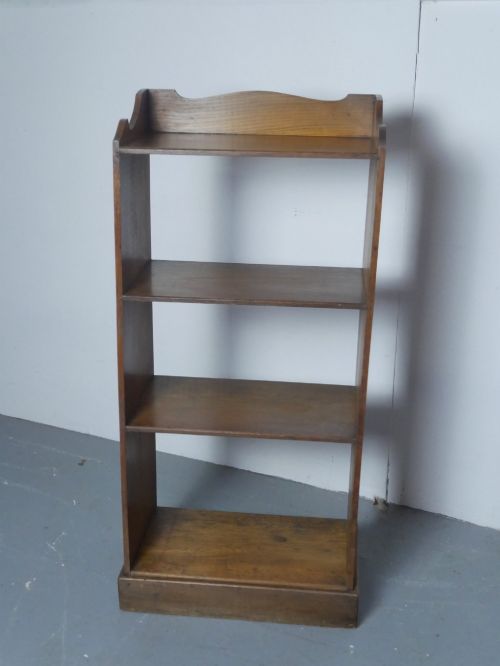
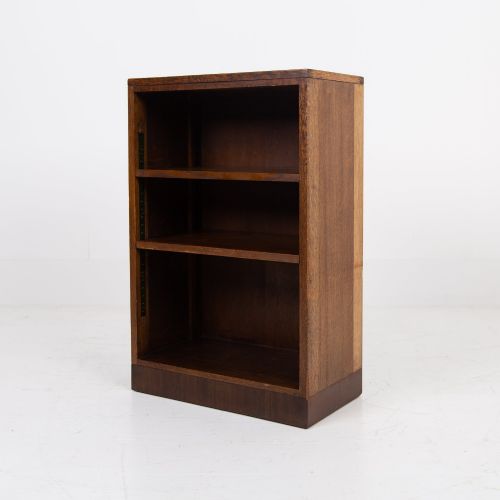
A compact shelving unit is essentially a smaller bookcase or etagere designed for tighter spaces without sacrificing storage capacity. When you search for a compact shelving unit, you will most commonly encounter small open bookcases and dwarf proportions spanning the Edwardian period, the 1910s, 1920s, and 1930s. These pieces often feature shallow depths and modest heights, making them versatile for alcoves and narrow walls.
The material palette leans heavily towards oak, alongside ash, mahogany, pine, and timber, sometimes accented with brass or topped with leather. Styles range from simple rustic country and English country interpretations to Edwardian utility and Art Deco designs. Whether you find a diminutive French dwarf bookcase or a Georgian open bookcase of small proportions, the focus remains on efficient vertical storage.
These pieces serve modern rooms just as well as period interiors by offering accessible shelving in limited footprints. The selection covers everything from straightforward Edwardian oak frames to early nineteenth-century mahogany etageres of compact scale. Each version provides a direct link to historical furniture-making traditions tailored for modest living areas.
How they were made
Makers constructed these shelving units using durable hardwoods such as oak, mahogany, and ash, combined with structural pine or general timber for hidden elements. Joinery relied on traditional methods suited to everyday furniture production, ensuring stable open frames capable of holding heavy rows of books. Surfaces were often left with a natural wood finish or polished lightly to highlight the grain.
Detailing on these pieces ranges from plain, utilitarian rustic country boards to decorative brass fittings and leather tops found on select examples. Art Deco and Edwardian variations demonstrate distinct styling through angled shelves or streamlined uprights. Construction prioritises sturdiness at a reduced scale, maintaining structural integrity across narrow proportions.
A leather-topped oak shelf proves that nineteenth-century readers appreciated a writing desk surface right inside their bookcase.
What varies in quality
The choice of timber creates a fundamental distinction among these pieces, separating standard pine or mixed timber constructions from dense, richly grained oak and fine mahogany. Superior examples display careful selection of wood matching across the visible uprights and shelves. Finer craftsmanship also shows in the precision of the joinery and the restraint of any decorative elements.
Proportion and scale dictate the visual success of a smaller shelving unit. The best pieces maintain a balanced relationship between height, width, and depth, avoiding a clumsy appearance. Refined surfaces, subtle period details like leather inserts, and well-executed stylistic flourishes elevate certain pieces above purely utilitarian examples.
The Compact Shelving Unit Glossary
- Etagere
- A set of open shelves for displaying small objects or books. This form provides multiple tiers of storage in a freestanding unit.
- Dwarf bookcase
- A low-standing bookcase designed to sit below window height or in restricted spaces. These pieces maintain easy access to the top shelf.
- Open bookcase
- A shelving unit without doors, allowing direct access to the contents. This style became popular for everyday domestic libraries.
- Angled bookcase
- A shelving unit featuring shelves set at a slanted angle for easier reading of titles. Such variations add distinctive visual interest to the form.
Compact Shelving Unit: Frequently Asked Questions
Where should I put a compact shelving unit?
These smaller pieces fit well in narrow hallways, alcoves, or beside seating areas where full-sized bookcases overwhelm the room.
Their restricted depth allows them to hold books and display items without blocking natural walkways.
How do I distinguish Edwardian bookcases from earlier periods?
Edwardian pieces often feature simpler oak construction and lighter proportions compared to heavier Victorian predecessors.
Look for honest utility and straightforward Edwardian styling that prioritises domestic space-saving.
Can these units support heavy hardback books?
Solid timber construction in oak and mahogany provides the natural strength needed for substantial book collections.
Solid wood shelves resist sagging better than modern manufactured boards when loaded properly.
What is the difference between a bookcase and an etagere?
A bookcase is primarily built for storing rows of books, whereas an etagere traditionally serves as an open tier for display.
Both fall under compact shelving options depending on the exact configuration of the shelves.