

Commercial Shop Antiques
Commercial shop antiques bring the utilitarian honesty of past trades into modern interiors through authentic signs, counters, and cabinets.
Commercial Shop Antiques
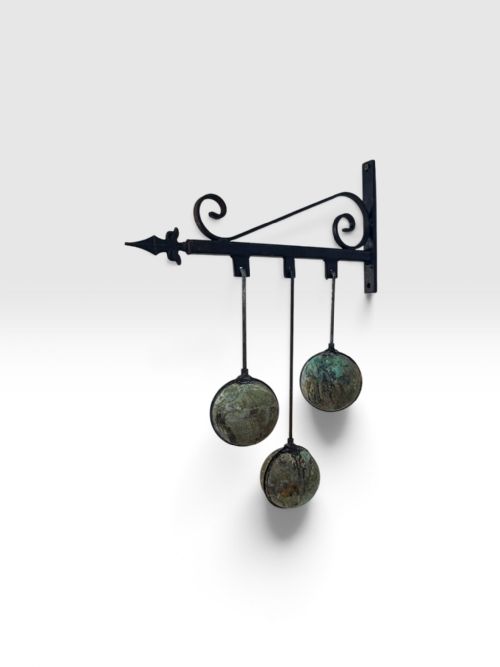
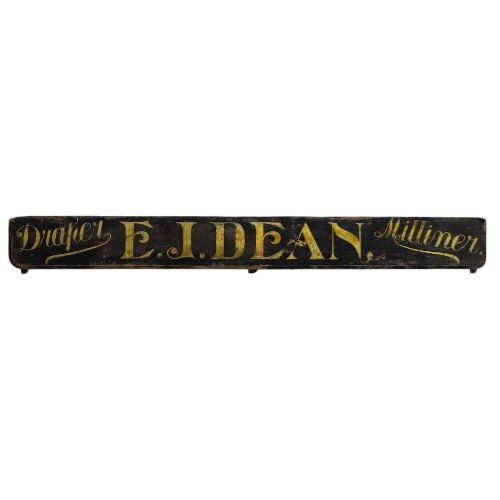
Commercial shop antiques encompass the tangible fixtures and advertising media used in nineteenth and early twentieth-century commerce. Buyers searching this phrase encounter trade signs, display counters, and storage fittings originating from pharmacies, drapers, and grocers.
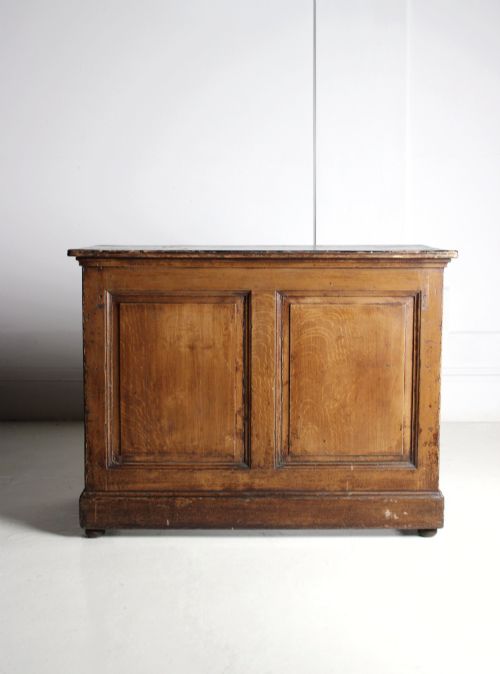
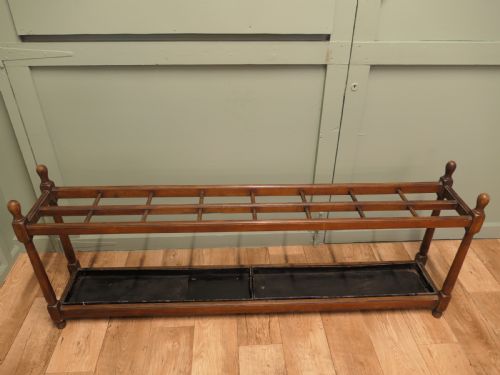
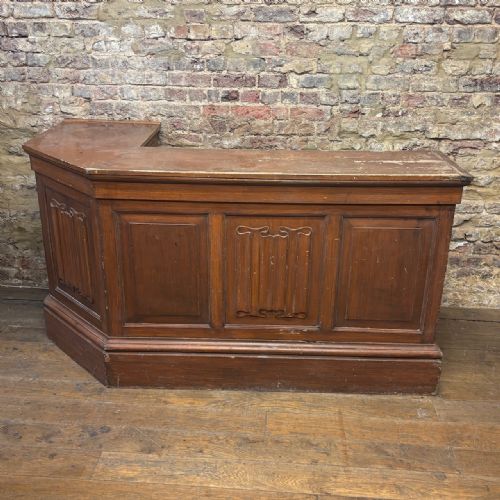
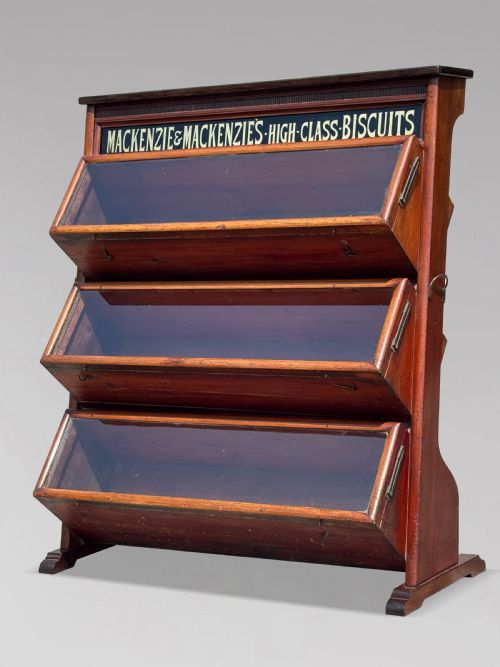
The pieces on this page span the Victorian, Edwardian, and Art Deco eras, reflecting the shift from small-scale merchant shops to early department stores. Common forms include oak and mahogany display cabinets, painted pine signs, and multi-drawer apothecary fittings.
Originating largely from British and French commercial premises, these items combine practical retail utility with bold graphic appeal. They serve today as functional furniture and wall displays in domestic settings.
Materials and construction
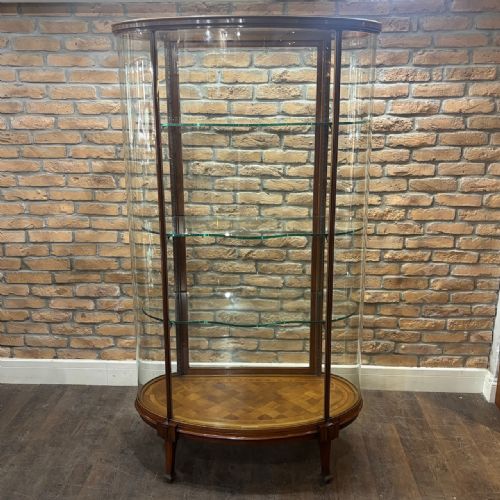
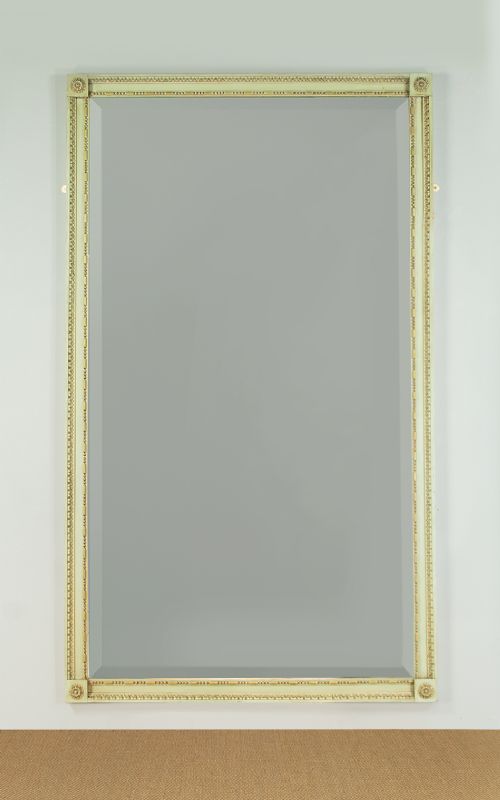
Makers utilised durable timbers such as oak, mahogany, and pine to build heavy counters and display cabinets capable of withstanding daily retail traffic. Glass panels and mirrors were frequently integrated into cabinetry to showcase goods effectively.
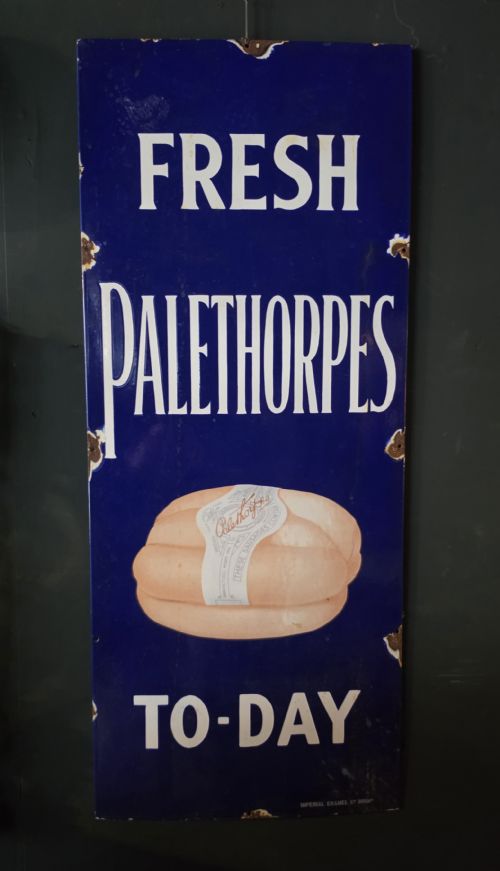
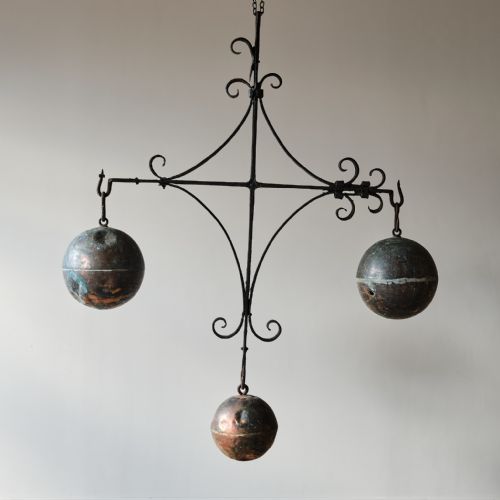
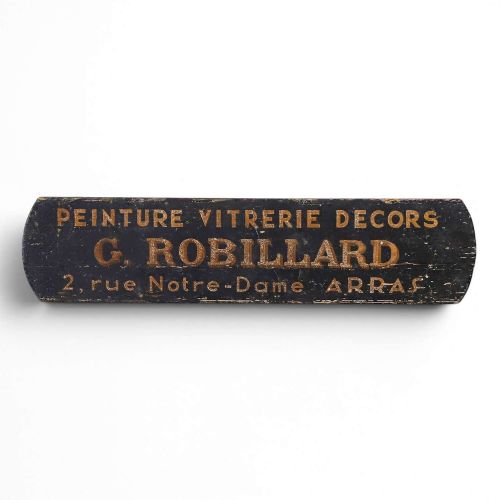
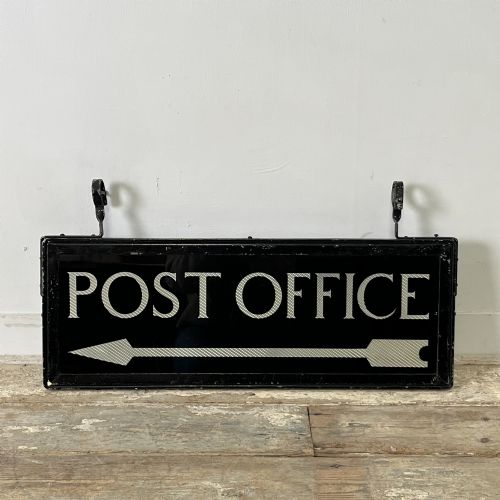
Signs and advertising pieces relied on enamel, reverse-painting on glass, and hand-painted lettering on wood or metal surfaces. Iron, brass, and copper provided structural support and hardware fittings across counters and trade symbols.
Automated cobblers display models once worked tirelessly in shop windows to attract customers.
Factors of quality
Quality in these commercial pieces rests upon the integrity of original paintwork, lettering, and hardware rather than smooth, polished perfection. Surviving original glass panes and maker stamps elevate the standing of a cabinet or sign.
The proportion and scale of the woodwork distinguish standard utility fittings from pieces designed for high-end urban establishments. Construction details, such as dovetailed drawer joints and solid timber backs, indicate superior workshop origins.
F. Sage & Co·Dudley & Co·G H Gledhill Halifax·Day & Millward
The Commercial Shop Antiques Glossary
- Haberdashery counter
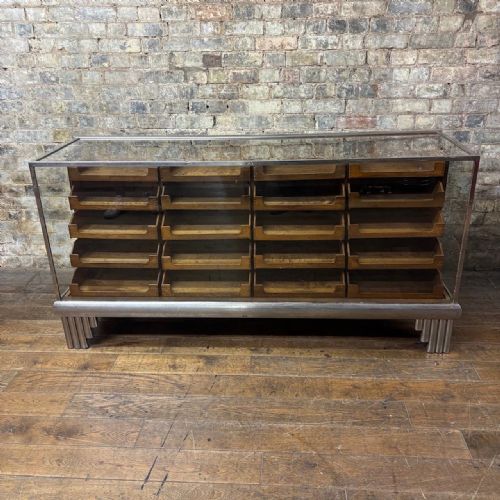
- A retail shop counter featuring numerous shallow drawers, originally designed for storing ribbons, threads, and small sewing accessories.
- Trade sign
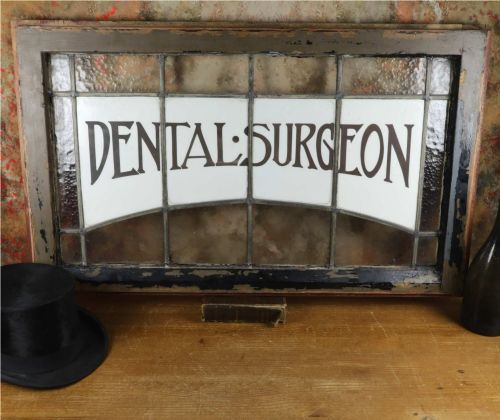
- A hanging or wall-mounted board shaped or painted to advertise a specific trade, such as a pawnbroker or dentist.
- Toleware
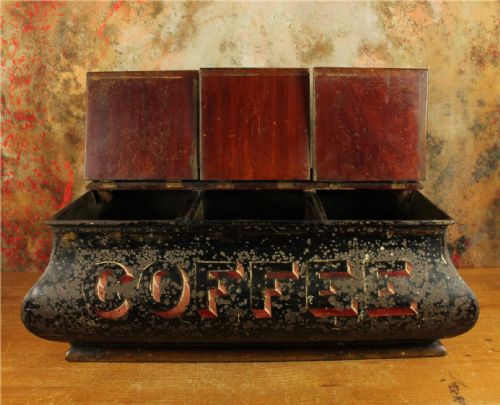
- Painted or lacquered tin metalware used for storage boxes and canisters in commercial settings.
- Reverse-painted glass
- A technique where lettering and imagery are painted on the reverse side of a glass panel to create a glossy, protected front surface.
Commercial Shop Antiques: Frequently Asked Questions
What defines commercial shop antiques?
Commercial shop antiques are original fittings, signs, and display furniture salvaged from nineteenth and early twentieth-century retail premises. They include items built for daily trade use like counters, cabinets, and advertising plaques.
These objects carry the authentic wear of past commerce, offering distinct character for interior display today.
How were trade signs used?
Trade signs hung outside or inside shops to identify the proprietor's profession to passing pedestrians. Many utilised bold lettering, symbols, or pictograms so illiterate customers could recognise the business.
Materials varied from hand-painted wood and carved figures to vitreous enamel and glass.
How do I date a shop counter?
Dating relies on timber choices, construction methods, and hardware styles found on the piece. Victorian examples often utilise heavy mahogany or pine with hand-dovetailed drawers, while 1930s versions incorporate chrome and oak.
Maker stamps or patent plaques embedded in the woodwork also help narrow down the period of manufacture.
Can I use old shop fittings at home?
Old shop fittings integrate well into modern residential layouts for practical storage and display. Haberdashery counters and chemist drawers provide segmented organisation for clothes or kitchen items, while glass cabinets showcase collections.
Their robust construction ensures they remain functional pieces of furniture.