



Column Framed Wall Mirror
A column framed wall mirror brings architectural proportion and reflective light into a room, spanning periods from Regency elegance to Edwardian scale.
Column Framed Wall Mirror
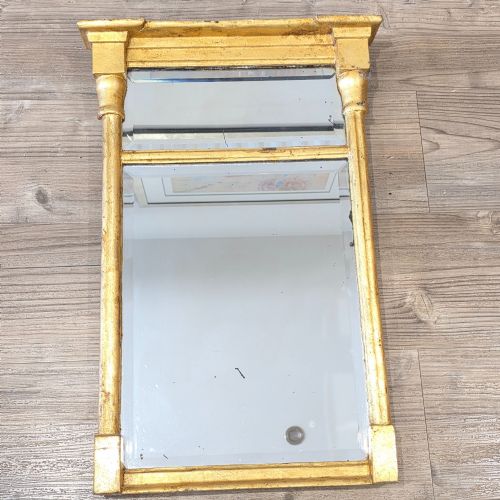
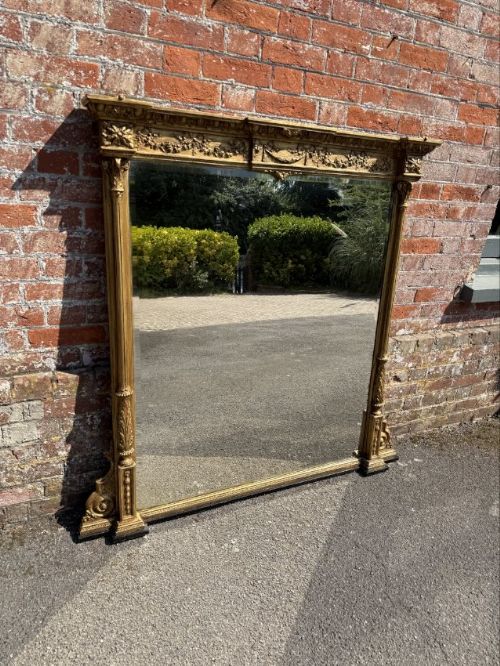
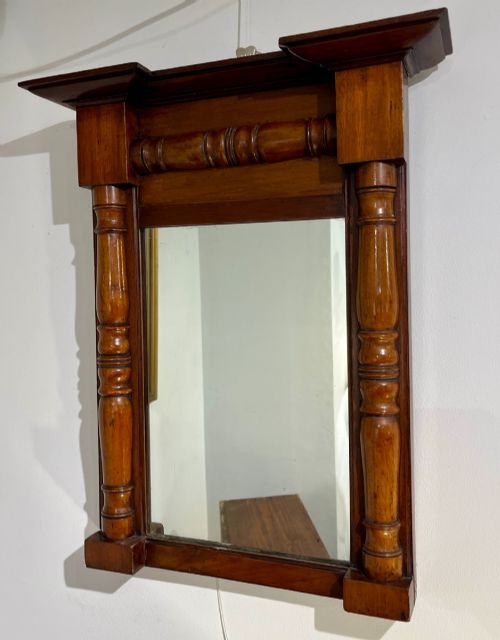
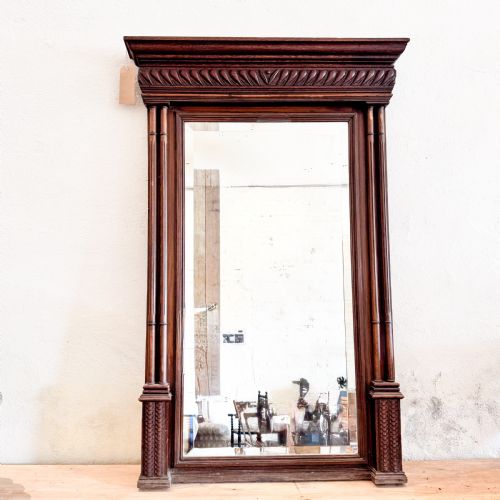
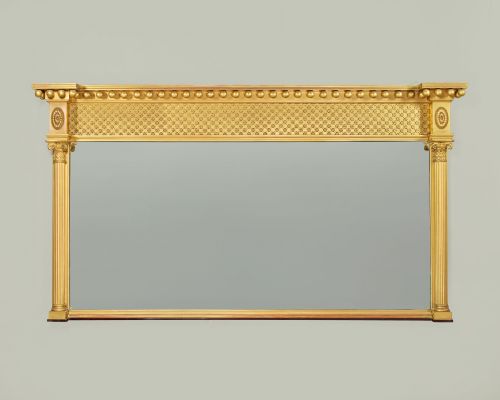
A column framed wall mirror incorporates architectural uprights flanking the glass, appearing frequently in forms such as pier mirrors and large overmantels. These pieces bridge domestic utility and classical design, emerging across the nineteenth century in both British and French workshops.
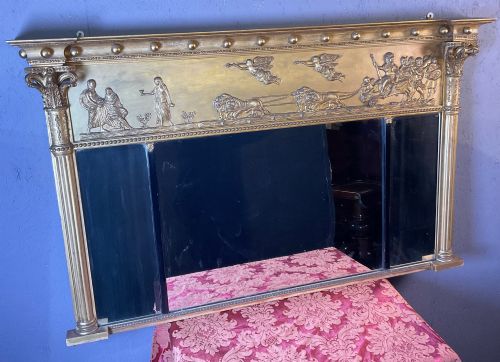
The selection ranges from neat Regency gilt pier glasses with ebonised details to substantial Victorian and Edwardian overmantle mirrors. Buyers encounter smaller hanging hall mirrors alongside grander arched or triptych formats designed for specific interior placements.
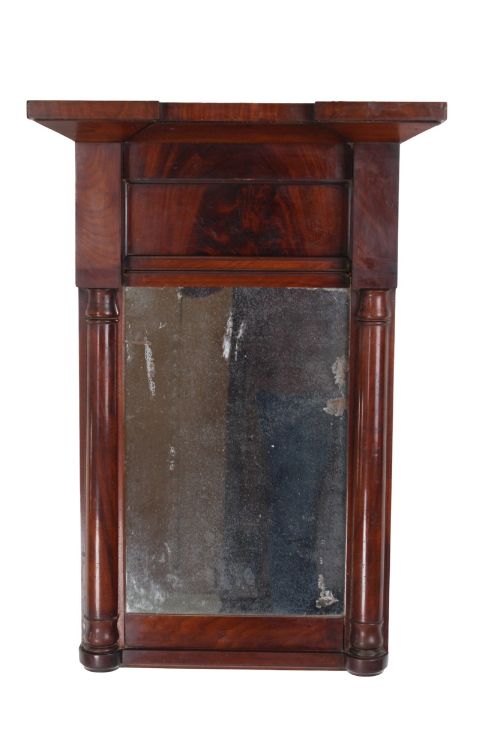
Materials span traditional carved wood and gesso finished in gold leaf, alongside solid timbers like mahogany, oak, walnut, and birds eye maple. Each iteration employs columnar supports to frame the glass plate, lending structural weight to the visual composition.
Materials and construction methods
Carved wood provides the foundational structure for many examples, overlaid with gesso to receive intricate surface decoration and gold leaf gilding. This combination permits the crisp fluting and moulded details seen on classical revival columns.
Joinery utilises dense cabinet timbers such as mahogany, oak, and walnut, often polished or parcel gilt to highlight natural grain patterns. Ebonised wood and birds eye maple appear where makers sought contrasting dark tones or figured visual depth.
Periods represented across the selection include the Regency, William IV, Victorian, Edwardian, and late eighteenth-century eras.
Discerning quality across the range
The crispness of the carved wood and gesso ornamentation dictates visual distinction, where sharply defined fluting on columns signals superior handwork. Softer mouldings indicate simpler production methods or heavy subsequent restoration.
The integration of the frame joints and the depth of the gilding or timber polish determine overall integrity. Superior examples maintain cohesive proportion between the framing columns and the central glass plate.
The Column Framed Wall Mirror Glossary
- Pier Mirror
- A tall mirror designed to hang on the wall space between windows. These pieces often feature compact proportions suitable for narrow wall sections.
- Overmantle Mirror
- A wide mirror intended for placement above a fireplace mantelpiece. They frequently incorporate horizontal expanses and multi-panel glass configurations.
- Gesso
- A plaster-like mixture applied to wood surfaces and carved before gilding. This material allows artisans to create raised decorative motifs and crisp architectural lines.
- Giltwood
- Wood that has been coated with gold leaf or metallic paint. It reflects interior light and provides a bright decorative finish.
- Triptych
- A mirror composed of three distinct side-by-side panels. This configuration divides the reflective surface with dividing mullions or frame sections.
Column Framed Wall Mirror: Frequently Asked Questions
Where should I hang a column framed wall mirror?
These mirrors suit placement above mantelpieces, dressing tables, or console tables where their architectural frame commands attention. Their vertical or horizontal proportions help anchor surrounding furniture and bounce natural light across a room.
Ensure the wall fixings match the weight of the timber and gesso construction. Large overmantle versions require secure anchoring directly into wall studs.
How do I date a column framed wall mirror?
Dating relies on observing the timber species, framing style, and application of gesso or gilding techniques. Regency and William IV pieces often display classical motifs and clean columnar lines, whereas later Victorian and Edwardian versions embrace heavier proportions.
Secondary indicators include the construction of the backboards and the composition of the glass plate. Hand-beveled edges and older fixings provide further clues to the manufacturing era.
How do I clean and maintain giltwood frames?
Dust giltwood surfaces gently with a soft, dry brush or a feather duster to remove surface particles. Avoid liquid cleaners, abrasive cloths, or chemical solvents, which can lift delicate gesso and gold leaf.
Keep the mirrors away from direct, harsh sunlight and excessive moisture to protect the underlying wood and prevent the gilding from flaking over time.